Room Additions
- Home
- Room Additions
GET FREE ESTIMATE
Room Addition Contractor Main Line PA
Room Addition Contractor Main Line PA services from Hynes Construction help homeowners expand their living space without leaving the neighborhoods they already love. We design and build custom room additions for families across Ardmore, Bryn Mawr, Wayne, Haverford, Narberth, Gladwyne, and surrounding Main Line communities, including family room additions, kitchen expansions, in-law suites, home offices, second-story additions, sunrooms, and primary suite additions. Every project is planned around structural integrity, architectural consistency, township code compliance, and long-term property value, ensuring the new space feels like an original part of the home rather than an afterthought.
What Is a Room Addition and Why Main Line Homeowners Choose It
A room addition is a permanent structural expansion of your home adding new square footage, new living space, or new functionality that your current home cannot provide within its existing footprint. Room additions range from small bump-outs that extend a single room by a few feet to full second-story additions that essentially double a home’s living area.
Hynes Construction | 119 Sibley Ave, Ardmore PA 19003 | 610-896-6388 | 50+ Years Local | HICPA Registered | Licensed and Insured | Free Consultations
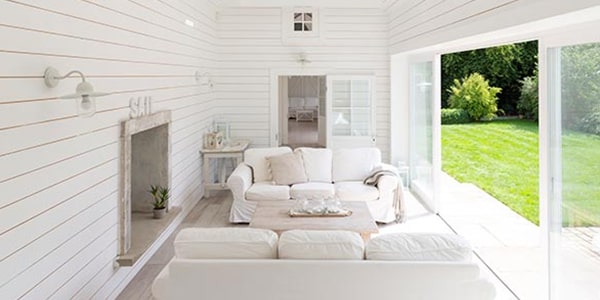
The fundamental question driving every room addition project is this: Is adding onto my current home more cost-effective than moving to a larger one? On the Main Line PA market, the answer is consistently yes. The Main Line is one of the highest-demand real estate markets in Pennsylvania; the combination of school districts, proximity to Center City, and established neighborhood character means that moving to a home with more space requires purchasing in the same market at a significant price premium. For most Main Line families, staying put and building the space they need costs significantly less than uprooting and purchasing a larger home in the same community.
Request your free consultation or call 610-896-6388.
Beyond the financial logic, there are strong quality-of-life reasons. You keep the school district, the neighbors, the commute, and the community relationships you have built. You customize the new space to exactly what your family needs rather than accepting someone else’s floor plan. And you build equity that stays in your property rather than paying transaction costs to relocate.
Hynes Construction approaches room additions from a distinctive position: we are a roofing, siding, and exterior contractor first, which means we integrate new rooflines, new exterior siding, and new window and door openings into existing structures correctly. The most common failure point in room addition projects performed by general contractors without deep exterior expertise is the transition zone: where the new roof meets the old, where new siding meets old, and where flashing and weatherproofing seal the new structure to the existing one. We solve these points correctly every time.
About Hynes Room Addition Services: Hynes Construction builds room additions for homeowners across Main Line PA – Ardmore, Bryn Mawr, Wayne, Narberth, Haverford, Havertown, Gladwyne, Wynnewood, and all surrounding communities. Bump-outs, full room additions, second-story additions, sunrooms, four-season rooms, in-law suites, attic conversions, garage conversions, and master suite additions. As a roofing, siding, and exterior contractor with 50+ years on the Main Line, we integrate new additions seamlessly into your existing home’s roofline, siding, and exterior profile. HICPA registered. Free consultations. Call 610-896-6388.
Types of Room Additions We Build
Bump-Out Additions – The Smallest and Most Affordable Expansion
A bump-out is a minor extension of an existing room, typically 2 to 15 feet out from the existing wall, that adds usable square footage without the complexity and cost of a full room addition. Bump-outs do not require a full new foundation: they can be cantilevered from existing floor framing (for small bump-outs up to 6 to 8 feet) or supported on a shallow foundation or piers. A kitchen bump-out can add an eat-in area or kitchen island space. A master bedroom bump-out can accommodate a sitting area. A bathroom bump-out can create room for a double vanity, a soaking tub, or a walk-in shower.
Cost range: $20,000 to $75,000 depending on size, complexity, and finish level. Bump-outs are the lowest-cost per-square-foot addition available. No full foundation, minimal structural disruption, shorter project duration.
Best for: Kitchen and dining room expansions, master bathroom enlargements, family room seat-bay extensions, and any situation where 100 to 300 square feet of additional space solves the primary space problem.
Full Ground-Floor Room Additions
A full ground-floor room addition extends the home’s footprint outward from an exterior wall with a new foundation, new structural framing, new roofline, new exterior cladding, and finished interior space. This is the most common type of major addition on the Main Line used to add family rooms, sunrooms, master suites, in-law quarters, home offices, mudrooms, and expanded kitchens.
The critical distinction in any ground-floor room addition is how the new roofline integrates with the existing roof. On the Main Line’s predominant Colonial, Victorian, and Craftsman homes, the additional roofline must be designed to appear as though it is part of the original structure, which requires careful architectural coordination of pitch, ridge height, and eave profile. As a roofing contractor with 50+ years on Main Line homes, this integration is where our experience provides the most value to homeowners.
Cost range: $80,000 to $250,000 for a standard ground-floor single-room addition of 200 to 600 square feet on the Main Line. Finished level flooring, trim, windows, and HVAC drive significant cost variation within this range.
Second-Story Additions – Maximum Space on a Constrained Lot
When a Main Line property’s lot size, setbacks, or impervious coverage limits prevent building outward, a second-story addition adds living space by building upward. Second-story additions are appropriate for ranch homes, Cape Cods, split-levels, and any structure where the existing foundation and first-floor framing can support the additional load of a second floor.
A full second-story addition can add two to four bedrooms, one or two bathrooms, and a hallway, effectively doubling the living area of a single-story home on the same footprint. Partial second-story additions add a room or suite above a portion of the existing first floor, adding a master suite above a family room addition, for example.
Structural assessment first: Before any second-story addition is designed, the existing foundation, walls, and first-floor framing must be assessed by a structural engineer to confirm load capacity. Some foundations require reinforcement before a second story can be added. This assessment is part of the permit process in Lower Merion Township and all other Main Line municipalities.
Cost range: $150,000 to $500,000+ depending on footprint, bedroom and bathroom count, structural complexity, and finish level. Per-square-foot cost is higher than ground-floor additions because the existing structure must typically be reinforced to carry the new load.
Attic Conversions – Using Existing Space
Many Main Line homes have attic spaces that are structurally capable of supporting a finished living space with the right modifications. An attic conversion transforms an unfinished attic into a bedroom, home office, playroom, or studio by adding insulation, flooring, drywall, lighting, and HVAC and typically adding a dormer or dormers to create adequate headroom and add natural light.
Dormer types: Shed dormers (a single large roofline that raises the ceiling height across a wide portion of the attic) are the most common choice for creating maximum usable headroom in an attic conversion. Gable dormers (individual peaked dormers) add light and architectural character without the same headroom gain. The choice depends on the existing roof pitch and the headroom requirements of the intended space.
Requirements for habitable attic space: Pennsylvania code requires a minimum ceiling height of 7 feet over at least 50% of the finished attic floor area for the space to qualify as habitable (bedroom or living space). Existing attics with steep roof pitches are often closer to code-compliant headroom than homeowners assume; a professional assessment will confirm what is achievable.
Cost range: $50,000 to $150,000 depending on dormer size, bedroom and bathroom inclusion, and HVAC integration. Attic conversions typically cost less per square foot than full room additions because the shell (roof and walls) already exists.
Garage Apartment and Above-Garage Additions
Many Main Line homes with attached or detached garages have the potential for living space above the garage, either by converting unused storage space above an existing garage into a finished living area or by building above a garage structure that currently has only a flat roof or minimal slope. Above-garage additions are particularly popular for home offices, guest suites, in-law quarters, and studio spaces because they provide natural separation from the main living areas of the home.
Attached vs. detached garage: Above an attached garage, the space connects directly to the main house through an existing hallway or staircase. Above a detached garage, the space is accessed either by an exterior stair (creating a more independent ADU-style unit) or by a covered walkway or breezeway connecting the garage to the main house.
Cost range: $60,000 to $180,000 depending on existing garage structure condition, square footage, bathroom inclusion, and whether an exterior stair or interior connection is built.
Sunrooms and Three-Season Rooms
Sunrooms and three-season rooms create a transitional living space between the conditioned interior and the exterior, a room with extensive glass on multiple walls and a roof that brings in natural light and outdoor connection while providing shelter from weather. The distinction between a three-season room and a four-season room is important:
Three-season room: Built with screen panels or ventilating windows for spring, summer, and fall use. Not insulated and not connected to the home’s HVAC system. Lower construction cost. Cannot be used comfortably in Pennsylvania winters. Cost range: $25,000 to $60,000 depending on size and specification.
Four-season room (sunroom): Fully insulated with high-performance glass, connected to the home’s HVAC system (or with its own dedicated HVAC), and usable in all four seasons including Pennsylvania winters. Higher construction cost but functions as a true living room, dining room, or family room year-round. Cost range: $55,000 to $130,000+ depending on size, glass specification, and HVAC integration.
Solarium: A sunroom or conservatory with glass roof panels in addition to glass walls, maximum light, and dramatic visual presence. Most commonly specified for premium Main Line properties in Wayne, Gladwyne, and Villanova, where the outdoor garden views are a design feature. Cost range: $80,000 to $200,000+.
In-Law Suites and Accessory Dwelling Units (ADU)
An in-law suite is a semi-private or fully independent living space within or attached to the primary home, typically including a bedroom, bathroom, and kitchenette or small kitchen, with its own entrance. In-law suites serve multiple purposes on the Main Line: housing aging parents, providing independent space for adult children, generating rental income, or providing guest quarters for extended-family use.
In-law suite vs. ADU: An in-law suite is typically internal within or directly attached to the primary structure, sharing the same foundation and roof. An ADU (Accessory Dwelling Unit) is a more formally independent unit, potentially in a separate structure or with its own separate utilities and entrance. Pennsylvania municipalities regulate ADUs differently from in-law suites; Lower Merion Township permits restricted ADUs under specific conditions, and requirements vary by zoning district. We advise on the regulatory requirements for your specific property during the consultation.
Cost range: $80,000 to $200,000 for an attached in-law suite addition of 400 to 800 square feet with bedroom, bathroom, and kitchenette. A fully independent ADU in a detached structure runs $100,000 to $300,000+.
Master Suite Additions
A master suite addition creates a new primary bedroom with an en-suite bathroom and walk-in closet as a dedicated addition, typically on the first floor for accessibility and privacy in colonial homes or as part of a second-story addition. Master suite additions are among the most requested addition types on the Main Line because the demand for first-floor primary bedroom access is growing as homeowners plan for aging in place, and because many older Main Line homes were built before the era of the en-suite bathroom and generous closet space.
First-floor master suite advantages: Eliminates stair climbing for bedroom access. ADA-accessible design options available. Provides guest or in-law quarters flexibility. Separates the primary bedroom from the children’s floor level.
Cost range: $80,000 to $175,000 for a first-floor primary suite addition of 400 to 700 square feet, including a bedroom, en-suite bathroom, and walk-in closet.
Mudrooms and Entry Additions
Mudrooms are one of the most functional additions available for Main Line families with children, pets, and active outdoor lifestyles. A mudroom addition creates a dedicated entry space between the exterior door and the main living area with built-in storage for coats, boots, backpacks, and sports equipment, and often a utility sink, bench seating, and locker-style cubbies. On Main Line homes where the garage entry or rear door opens directly into the kitchen or living room, a mudroom addition dramatically improves daily function.
Cost range: $30,000 to $90,000 depending on size, built-in storage scope, and whether plumbing (utility sink) is included.
Room Addition Types – Cost and Value Comparison for Main Line PA (2026)
| Addition Type | Typical Size | Cost Range (Main Line) | Cost per Sq Ft | ROI at Resale | Best For |
|---|---|---|---|---|---|
| Bump-out | 50 to 250 sq ft | $20,000 to $75,000 | $200 to $350/sq ft | 60 to 75% | Kitchen expansion, bathroom enlargement, bay window seat addition |
| Ground-floor room addition | 200 to 600 sq ft | $80,000 to $250,000 | $200 to $350/sq ft | 50 to 70% | Family room, sunroom, in-law suite, home office |
| Second-story addition (full) | 600 to 1,500 sq ft | $150,000 to $500,000+ | $200 to $350/sq ft | 55 to 70% | Adding 2-4 bedrooms and baths to a one-story home |
| Attic conversion with dormer | 200 to 500 sq ft | $50,000 to $150,000 | $150 to $300/sq ft | 65 to 80% | Bedroom, home office, playroom on homes with convertible attic |
| Above-garage addition | 300 to 700 sq ft | $60,000 to $180,000 | $150 to $280/sq ft | 55 to 70% | Home office, guest suite, in-law quarters, studio |
| Three-season room | 150 to 350 sq ft | $25,000 to $60,000 | $150 to $200/sq ft | 50 to 65% | Spring/summer/fall entertaining, transition between house and yard |
| Four-season sunroom | 200 to 500 sq ft | $55,000 to $130,000 | $200 to $300/sq ft | 55 to 70% | Year-round living space, home office, dining room with outdoor views |
| In-law suite addition | 400 to 800 sq ft | $80,000 to $200,000 | $180 to $280/sq ft | 50 to 65% | Aging parents, adult children, rental income, guest quarters |
| Master suite addition | 400 to 700 sq ft | $80,000 to $175,000 | $180 to $280/sq ft | 55 to 70% | First-floor primary bedroom, ADA-accessible design, aging-in-place |
| Mudroom addition | 80 to 250 sq ft | $30,000 to $90,000 | $200 to $400/sq ft | 50 to 65% | Entry organization, coat and boot storage, families with children or pets |
The Main Line PA market typically runs 20 to 30% above national average costs for room additions due to higher labor rates, more complex permitting in Lower Merion Township and surrounding municipalities, and premium material expectations. All ranges above reflect Main Line market conditions as of 2026. A precise cost estimate requires an on-site assessment of your specific property, existing structure, and addition scope. Contact us for your free consultation.
The Hynes Construction Advantage – Why Our Roofing and Siding Background Matters for Additions
Most general contractors build the box of a room addition correctly, the framing, the foundation, and the interior finish. The critical differentiator is what happens at the transitions: where the new roof connects to the old, where new siding meets existing siding, and how flashing, moisture barriers, and weatherproofing seal the new structure permanently to the old one.
- Roofline integration: As a roofing contractor with 50+ years on Main Line homes, we know how to design and execute additional rooflines that appear as original construction with correct pitch matching, ridge height coordination, and proper tie-in to the existing roof structure. We have seen too many additions where the new roofline creates a water trap at the valley or appears as a visually mismatched attachment.
- Siding match and coordination: As a siding contractor, we understand how to source matching siding materials and how to execute the transition between old and new exterior cladding in a way that reads as seamless. We know which siding manufacturers still produce matching profiles for 1980s and 1990s construction, and when a full-home siding re-skin is the right solution to achieve a unified appearance.
- Window and door integration: As a window and door contractor, we install the windows and doors in the addition to the same specification as any standalone window or door replacement, correctly flashed, correctly installed, and carrying a manufacturer warranty. New windows in an addition are not an afterthought.
- Single-contractor accountability: When Hynes Construction builds your addition, one company is accountable for the entire scope from permit application through final inspection. You are not coordinating between a framing contractor, a roofer, a siding contractor, and a window installer. One contract, one schedule, one warranty.
The Room Addition Process – From Concept to Certificate of Occupancy
01 Free On-Site Consultation: We visit your property, assess the existing structure, discuss your goals and budget, review setback and zoning constraints on your specific lot, and identify the addition types that are achievable within your property’s building envelope. Written assessment provided. No charge, no obligation.
02 Design and Architecture: We work with your architect or connect you with architects experienced in Main Line residential additions. The design phase produces construction drawings showing the addition floor plan, elevations, roofline, window and door placement, and structural details. Architectural drawings are required for permit submission in Lower Merion Township and all other Main Line municipalities.
03 Permit Application and Approval: We prepare and submit the building permit application to the relevant municipality, Lower Merion Township, Haverford Township, Narberth Borough, or Chester County municipality, as applicable. The application includes the architectural drawings, structural engineering (where required), a site plan showing setbacks, and any zoning documentation. We manage the application, respond to reviewer comments, and track approval status. Processing time: 3 to 8 weeks depending on municipality and project complexity.
04 Site Preparation and Foundation: Existing landscaping, structures, and utilities in the addition’s footprint are relocated or protected. Foundation excavation and installation, concrete footings and foundation walls for full ground-floor additions, pier or cantilever support for bump-outs, or structural assessment and reinforcement for second-story additions on existing foundations.
05 Structural Framing: Floor system, wall framing, and roof structure for the addition were erected. The critical integration work happens here: the new roof structure is tied into the existing roof framing with correct ridge, rafter, and flashing provisions. The new wall framing is connected to the existing structure with proper structural ties.
06 Exterior Envelope – Roofing, Siding, Windows, Doors: New roofing was installed on the addition roofline and tied in at the ridge and valley connections with the existing roof. New siding was installed on all new exterior surfaces and coordinated at the transition with existing siding. Windows and doors installed with correct flashing, foam insulation, and perimeter sealant.
07 Mechanical, Electrical, and Plumbing Rough-In: HVAC ductwork or mini-split installation for the new space, electrical rough-in for outlets, switches, and lighting, and plumbing rough-in if the addition includes a bathroom or kitchen. All mechanical work is inspected by the municipality at the rough-in stage before walls are closed.
08 Insulation, Drywall, and Interior Finish: Insulation installed to current Pennsylvania code requirements. Drywall was hung, taped, and finished. Interior trim, flooring, cabinetry, and fixtures installed. Painting completed. Final mechanical connections made.
09 Final Inspection and Certificate of Occupancy: Municipality’s final inspection of all completed work, structural, mechanical, electrical, and plumbing. A Certificate of Occupancy (CO) was issued, confirming the addition is code-compliant and legally habitable. CO documentation was provided to the homeowner for mortgage, insurance, and resale records.
Permits and Zoning – What Main Line Homeowners Need to Know
Building permits are required, no exceptions.
Any room addition that creates new habitable space, increases the footprint of the home, or involves structural modification requires a building permit from the relevant municipality. There are no exceptions. Unpermitted additions create serious problems: they are not covered by homeowner’s insurance, they cannot be legally described in a real estate listing, they trigger demand for retroactive permit compliance (often at significant cost) when the home is sold, and they may be required to be demolished if they do not comply with applicable codes.
We manage all permit applications and submissions as part of every addition project scope. Homeowners never need to navigate the permit process alone.
Setback Requirements on the Main Line
Setback requirements define how close a structure can be built to property lines, and they directly determine how far an addition can extend from the existing home. Setback requirements on the Main Line vary by municipality and by zoning district within each municipality:
- Lower Merion Township: Single-family residential setbacks vary by zoning district (R1 through R7 and others). Front setbacks are typically 30 to 50 feet, rear setbacks 25 to 40 feet, and side setbacks 10 to 15 feet per side. The township’s Building and Planning Department can confirm your specific zoning district and applicable setbacks.
- Impervious coverage limits: Many Main Line municipalities limit the total percentage of a lot that can be covered by an impervious surface (buildings, driveways, patios). Adding a room addition consumes a portion of this impervious coverage allowance, which also affects future driveway, patio, and structure options. We check allowances and impervious coverage limits at the consultation.
- Haverford and Havertown townships: Chester County and Delaware County municipalities each have their own setback and coverage requirements. We are familiar with the requirements across all 30+ Main Line communities we serve.
Historic District Considerations
Properties in Lower Merion Township’s historic district overlay zones may require a Certificate of Appropriateness (COA) from the Historic Architectural Review Board (HARB) for additions that affect the exterior appearance of the home. The COA process involves submitting architectural drawings showing the addition profile, exterior materials, and window and door placements for review. We coordinate COA submissions for projects in applicable historic districts.
Why Add On vs. Move? — The Main Line Financial Comparison
| Factor | Home Addition | Moving to a Larger Home on the Main Line |
|---|---|---|
| Upfront cost | $50,000 to $400,000+ depending on scope. | Purchase price premium for a larger home in the same community: typically $200,000 to $600,000+ more than your current home’s value. |
| Transaction costs | None beyond project cost. | Realtor commissions (5-6%), transfer taxes, and closing costs typically make up 8-10% of both sale and purchase prices. |
| Disruption | Construction disruption for 2 to 6 months. You stay in your home and community. | Moving disruption: school changes, neighbor changes, new commute patterns, loss of established community relationships. |
| School district | You stay in your current district. | Moving to a larger home in the same school district often requires paying premium prices. Moving to a different district disrupts children’s schooling. |
| Customization | You design exactly the space you need. | You adapt to a space designed for someone else’s priorities. |
| Equity | Improvement equity stays in your property. Well-built additions recover 50 to 70% of cost at resale. | Market equity and price appreciation depend on the new property’s performance. |
| Our recommendation | For most Main Line homeowners who love their location and community, adding on delivers better value than moving. The Main Line’s high real estate transaction costs make moving expensive. | “Move” makes more sense when the current property’s lot, structure, or location cannot accommodate your needs even with an addition. |
Seasonality – Best Time to Build a Room Addition in Pennsylvania
OPTIMAL PLANNING: Start the conversation in fall (September-November) for spring construction.
Room addition projects require 3 to 8 weeks of permit processing before construction can begin, plus 2 to 8 weeks of design time before permit submission. Homeowners who begin the consultation and design process in the fall are well-positioned for a spring construction start.
SPRING (April-June): Optimal weather for foundation work, exterior framing, and roofing. Most popular construction window for additions.
SUMMER (July-August): Excellent for all exterior work. Longer daylight hours benefit crews. Book early. Summer is the most competitive scheduling window.
FALL (September-October): Good for exterior work before Pennsylvania winters arrive. Finish work, and the interior can continue through fall and winter.
WINTER (November-March): Foundation and framing possible in mild conditions. Best for interior finish work. Ideal for planning and design while exterior conditions are not favorable for construction.
Lower Merion Township permit tip: The township’s Building and Planning Department recommends submitting permit applications in summer or winter to avoid peak processing delays in spring and fall.
Materials Used in Room Additions on Main Line Homes
A room addition must match the existing home’s exterior character and weathering performance. Here is how we approach material selection for additions on Main Line properties:| Building System | Material Options | Main Line Recommendation | Matching Considerations |
|---|---|---|---|
| Roofing | Asphalt shingle (most common), slate, metal, tile | Match existing roof material and color exactly where visible. New GAF or CertainTeed architectural shingle to match existing shingles. | Color match is critical; buy from the same product line as existing shingles if still available. |
| Exterior siding | Vinyl, James Hardie fiber cement, wood clapboard, stucco, stone | Match the existing siding material. On older homes, an exact match may require Hardie or a full-home re-side. | Profiles and colors change over time, we source matching material or advise when a full re-side creates better visual coherence. |
| Windows | Fiberglass, vinyl, or wood to match existing window profiles | Match existing window material, profile, and color. Fiberglass for premium; vinyl for value. | Uniform window appearance across old and new sections is architecturally important. |
| Foundation | Concrete block or poured concrete for full additions; piers or cantilever for bump-outs | Standard poured concrete for most Main Line soil and frost conditions (frost line: 36 inches in PA). | Foundation must be below PA frost line to prevent heaving. |
| Insulation | Spray foam (highest performance), batt, rigid board | Spray foam in walls and roof deck for maximum thermal performance. Required to meet current PA energy code. | New addition insulation must meet the current PA IRC energy code, typically a higher R-value than original home insulation. |
| Interior finish | Hardwood flooring, trim, drywall | Match existing interior trim profiles, flooring species, and finish. | Matching the interior character of the existing home creates seamless integration. |
Room Additions and Their Connection to Our Other Services
Room additions naturally connect to and require coordination with our full range of exterior services:
- Roofing: Every room addition that extends the roofline requires new roofing. We integrate the addition roofing with the existing roof and ensure correct flashing at all transition points.
- Siding: New exterior walls require siding that matches or coordinates with the existing exterior. We source matching vinyl, fiber cement, or wood siding and execute the transition at the integration point.
- Windows: Every room addition requires windows. We install Energy Star-qualified windows in the addition that match the existing home’s window profiles and color.
- Doors: Additions that require a new entry door, patio door, or storm door are handled by the same crew that installs our standalone door projects.
- Decks: Ground-floor room additions that open to rear yards frequently include a new deck or patio. We build the deck as part of the addition scope or as a standalone follow-on project.
- Gutters: New rooflines require new gutter runs to manage Pennsylvania’s 44+ inches of annual rainfall. Gutter installation on addition rooflines is included in the addition scope.
Financing Your Room Addition
Hynes Construction offers financing options including 0% interest plans for qualified homeowners. Room addition projects qualify. Common financing structures for room additions: home equity loan, home equity line of credit (HELOC), renovation loan (Fannie Mae HomeStyle or FHA 203k), and construction loan. We can discuss which financing structure fits your project scope and budget at the consultation.
Room Additions Across Main Line PA – Communities We Serve
We build room additions across all 30+ Main Line communities from our office at 119 Sibley Avenue, Ardmore, PA 19003. Familiar with setback, impervious coverage, and permit requirements in every community. See our full service area. View completed projects at our photo gallery and video gallery.
Get Your Free Room Addition Consultation
THE BEST TIME TO START IS NOW: Room additions take 3 to 8 weeks in the permit process alone before construction begins. Homeowners who consult in fall get permitted in winter and start construction in spring. Every season you delay is a season you live without the space you need. Call 610-896-6388 for your free on-site consultation — no cost, no obligation, and we come to you.
Kitchen Additions – The Highest-Value Single Addition on the Main Line
A kitchen addition expands the kitchen’s footprint into new square footage, creating the open, functional kitchen that the original home’s floor plan could not accommodate. On the Main Line, where Colonial and Victorian homes built before 1970 typically have galley-style or compartmentalized kitchens that are too small for modern family cooking, entertaining, and the open-plan connection to the family room that today’s buyers and homeowners expect, a kitchen addition is one of the most transformative projects available.
Kitchen additions are “wet” additions; they involve plumbing relocation or extension, which increases both cost and the complexity of the permit process compared to “dry” additions like bedroom expansions. The investment is justified: kitchen additions consistently rank as one of the highest-ROI addition types, and the transformation of a cramped original kitchen into a spacious, open kitchen is among the most impactful improvements available to a Main Line home’s daily quality of life and resale value.
Common scope elements: Structural header installation at the expanded opening, foundation and floor system extension, new roofline, exterior cladding, windows designed for kitchen light requirements (south or east facing for morning light), plumbing extension or relocation, new cabinetry and countertops, and flooring to match or complement the existing kitchen floor. Connection to bathroom remodeling services where a wet scope is involved.
Cost range: $80,000 to $200,000 for a full kitchen addition of 200 to 500 square feet on the Main Line. The cost per square foot is higher for bedroom additions because of plumbing, cabinetry, and appliance scope. Simple kitchen bump-outs (adding 6 to 12 feet to enlarge the existing kitchen) run $30,000 to $80,000.
Bathroom Additions – Wet Additions with Strong ROI
A bathroom addition creates a new bathroom or half bath that the existing home does not have. Many older Main Line Colonial and Victorian homes were built with one or two full bathrooms serving three, four, or five bedrooms, which is a chronic morning bottleneck for families and a competitive disadvantage in the buyer’s market. Adding a bathroom, particularly a second full bathroom or a primary en-suite bathroom where none exists, directly addresses the most searched-for buyer preference in Main Line real estate.
Half bath vs. full bath addition: A half bath (toilet and sink, no shower or tub) is the least expensive bathroom addition, typically $25,000 to $50,000, and can be located in a first-floor closet, under a staircase, or as a small bump-out from an existing room. A full bath (toilet, sink, shower, or tub-shower) runs $60,000 to $120,000 for an addition scope including all plumbing, tile, fixtures, and ventilation. An en-suite primary bathroom added to an existing master bedroom runs $70,000 to $150,000 depending on size and specification.
Bathroom additions are wet additions; plumbing rough-in, ventilation, waterproofing, and tile work all require specific sub-trades and specific permit inspections. We coordinate all sub-trades as part of the addition scope and include bathroom addition scopes within our standard project management process.
Cost range: Half bath addition: $25,000 to $50,000. Full bathroom addition: $60,000 to $120,000. Primary en-suite bathroom addition: $70,000 to $150,000. Cost per square foot is the highest of any addition type due to plumbing, waterproofing, and fixture scope.
Home Office Additions – The Leading 2025 and 2026 Addition Driver
The shift to remote and hybrid work that began in 2020 has not reversed; it has matured. In 2025 and 2026, dedicated home office additions are the single fastest-growing addition category across the Main Line market. A bedroom used as an office is not the same as a purpose-built home office addition; the distinction matters for productivity, acoustics, and home value.
A purpose-built home office addition provides a dedicated external entrance (avoiding disruption to family living areas during work hours and potentially supporting professional visitor access), optimized natural light orientation (north-facing windows for consistent, glare-free light), built-in storage and cable management, acoustic isolation from the main living areas, and a separate HVAC zone that can be conditioned independently of the rest of the house. For Main Line homeowners who work with clients at home, a dedicated office addition with its own entry is also a significant quality-of-life improvement.
Popular configurations on the Main Line: Dedicated office wing off the main house (ground floor, private entrance from the front or side). Office above the garage with exterior stair access (provides complete separation from family living areas and is appropriate for professional use). Converted attic space with a skylight or dormer—optimal for creative professionals and writers who benefit from natural light and separation from the household.
Cost range: $40,000 to $120,000 depending on size, whether a private entry is included, and HVAC configuration. Home office additions are typically “dry” additions (no plumbing), which keeps the cost per square foot lower than kitchen or bathroom additions.
Basement Finishing – Expanding Living Space Below Grade
While not technically a room addition in the above-grade sense, basement finishing is the most cost-effective way to add living square footage to a Main Line home because the shell (foundation walls, floor slab, and roof/first floor above) already exists. An unfinished basement that meets minimum ceiling height requirements (typically 7 feet clearance) can be transformed into a family room, home gym, home theater, playroom, home office, guest bedroom, or in-law quarters for significantly less per square foot than any above-grade addition.
Walkout basement consideration: Many Main Line split-level and bi-level homes, and some older Colonials on sloped lots, have below-grade exposure on one or more sides, a walkout basement. A walkout basement finishing project that adds a patio door and creates an independent entry transforms the finished basement from a secondary internal space into a semi-independent apartment appropriate for in-law quarters or rental use.
Code requirements: Finished basement bedrooms in Pennsylvania must include an egress window meeting code requirements (minimum 5.0 square feet net opening, minimum 20-inch width, 24-inch height, maximum 44-inch sill height). We install code-compliant egress windows as part of any basement finishing scope that creates sleeping space.
Cost range: $50,000 to $100,000 for a standard Main Line basement finishing project of 600 to 1,200 square feet. Waterproofing issues (if the basement has moisture problems) must be addressed before finishing, typically $5,000 to $20,000 additional. Walkout basement finishing with patio door installation runs $60,000 to $120,000.
Open-Concept Conversion Combined with Addition
One of the most popular Main Line addition project types in 2025 and 2026 combines outward expansion with interior reconfiguration: building a new room addition while simultaneously opening the existing floor plan by removing non-load-bearing walls between the original kitchen, dining room, and family room. The result is a larger, open-plan main floor that flows seamlessly from the existing home into the new addition.
This combined scope requires a structural engineer to confirm which walls are load-bearing (which must be retained or replaced with a structural beam) and which are non-structural (which can be removed). The structural engineer’s assessment is part of the permit process for any wall removal project. In Main Line Colonial homes, the wall between the kitchen and the dining room is frequently non-load-bearing and can be removed, creating the open kitchen-to-dining-to-family-room flow that the original floor plan does not provide.
Cost premium for combined scope: An open-concept wall removal as part of a room addition project adds $15,000 to $40,000 to the addition cost depending on whether a structural beam is required (and how large a beam span is needed) and the extent of floor, ceiling, and trim restoration required at the removed wall location.
Monday through Saturday | Free Estimates | Licensed and Insured
Wet vs Dry Additions – Understanding the Cost Difference
Not all square footage costs the same. The single most important cost driver in room addition pricing after size is whether the addition is a “wet” or “dry.” scope:
| Addition Category | Definition | Cost Per Sq Ft Range | Why It Costs More | Examples |
|---|---|---|---|---|
| Dry addition | No plumbing involved. Walls, framing, roofing, electrical, insulation, and finish work only. | $150 to $250 per sq ft (Main Line) | Simpler scope. Fewer sub-trades. Shorter permit process. | Bedroom addition, family room addition, home office, three-season room, sunroom (no plumbing) |
| Wet addition | Plumbing involved, new water supply, drain lines, venting, and pressure testing required. | $250 to $450 per sq ft (Main Line) | Plumber required as a sub-trade. Additional permits and inspections. Waterproofing and tile in bathrooms. | Kitchen addition, bathroom addition, in-law suite with kitchenette, laundry room addition, mudroom with utility sink |
| Complex wet addition | Kitchen or bathroom with premium scope — custom cabinetry, stone counters, heated floors, steam shower. | $350 to $600+ per sq ft (Main Line) | Premium finishes compound the wet-scope base cost. | Luxury primary bathroom suite, full kitchen addition with custom cabinetry and high-end appliances |
Understanding wet vs. dry designation helps set realistic budget expectations before an estimate is prepared. A 400-square-foot family room addition (dry) and a 400-square-foot kitchen addition (wet) have fundamentally different cost structures even at the same square footage. We discuss wet vs. dry classification and its budget implications at the free consultation.
Or request online: Submit your free consultation request here. We respond within one business day.
Soft Costs – What Homeowners Often Don’t Budget For
Room addition project budgets frequently underestimate what industry professionals call “soft costs,” the costs that occur before any physical construction begins. These are real, significant, and unavoidable:
| Soft Cost Category | What It Includes | Typical Cost Range Main Line |
|---|---|---|
| Architectural drawings | Full set of construction drawings showing the floor plan, elevations, sections, window and door schedules, and finish specifications. Required for permit submission in all Main Line municipalities. | $5,000 to $20,000 depending on project complexity and architect selection |
| Structural engineering | Engineering analysis and stamped drawings confirming the addition’s structural design, foundation sizing, header and beam specifications, and (for second-story) load analysis of the existing structure. Required in Lower Merion Township for any structural addition. | $2,000 to $8,000 depending on project complexity |
| Municipal permit fees | Building permit fees assessed by the municipality based on project valuation. Zoning permit fees if applicable. Inspection fees. | $1,500 to $5,000+ depending on municipality and project size |
| Survey and site plan | A current survey showing the property lines and proposed addition footprint is required by Lower Merion Township and many other Main Line municipalities. | $800 to $2,500 for a boundary survey with proposed addition shown |
| Geotechnical / soil assessment | Required when there is uncertainty about soil bearing capacity for foundation design. Less common but may be required on sloped lots or properties with fill. | $1,500 to $4,000 if required |
Total soft costs on a typical Main Line addition project: $10,000 to $35,000 before any construction begins. These costs are separate from and in addition to the construction budget. We discuss expected soft costs for your specific project at the free consultation so your total budget is realistic from the start.
Contingency recommendation: Set aside 10 to 20% of the total project budget (including soft costs) as a contingency reserve. Room addition projects routinely encounter unforeseen conditions, soil that requires deeper footings, older home structural issues revealed when walls are opened, or code-required upgrades to existing electrical or HVAC that must be completed as part of the addition permit scope. A homeowner with a contingency reserve navigates these discoveries calmly; a homeowner without one faces difficult decisions mid-project.
Multigenerational Living and Aging in Place – Why These Drive Most Addition Projects in 2026
Multigenerational Living on the Main Line
The single most significant trend driving room addition demand in 2025 and 2026 is the growth of multigenerational households. Families with aging parents moving in, adult children who cannot yet afford independent housing in the Main Line market, or grandparents who want to be near grandchildren. The Main Line, with its premium housing costs and strong family ties, has one of the highest rates of multigenerational housing in the Pennsylvania market.
The in-law suite addition is the primary solution for multigenerational living but it needs to be designed correctly from the outset. A bedroom with an attached bathroom does not constitute an in-law suite; a true in-law suite provides the elderly parent or adult child with private entry, a private bathroom, living space, and food preparation capability, the combination that allows genuine independence and dignity within the family property. We design and build in-law suites specifically for multigenerational use, which means specific attention to ADA accessibility, zero-threshold entries and showers, wider doorways, and appropriate lighting for aging eyes.
Aging in Place – Universal Design in Room Additions
Aging-in-place, universal. The practice of designing a home or addition to accommodate the occupants’ changing physical needs over time so that mobility limitations, vision changes, or other age-related changes do not force a move from the home. For Main Line homeowners building a first-floor master suite addition or an in-law suite, building to aging-in-place (universal design) standards from the outset costs only marginally more than building to standard specifications and eliminates the need for expensive retrofitting later.
| Universal Design Feature | Standard Design | Aging-in-Place Design | Additional Cost |
|---|---|---|---|
| Doorways | 32-inch clear opening standard | 36-inch clear opening throughout allows wheelchair and walker passage without obstruction. | Minimal — primarily a framing specification change |
| Shower entry | Stepped threshold or curbed shower | Zero-threshold (curbless) shower with linear drain. Can accommodate wheelchair or shower chair use. | $500 to $2,000 for drain and waterproofing modification |
| Grab bars | Typically not included | Blocking is installed in bathroom walls at shower, toilet, and tub locations to support future grab bar installation at any point. | Minimal; blocking is inexpensive at rough-in stage |
| Flooring | Any finish floor | Slip-resistant flooring in bathroom and entry areas. Consistent flooring levels without transitions that create tripping hazards. | Minimal material selection |
| Light switches and outlets | Standard height (48 in / 12 in) | Accessible heights (48 in max / 18 in min) throughout. Rocker switches rather than toggle switches. | Minimal, an electrical addition specification |
| Staircase (if applicable) | Standard rise and run | Enhanced handrails, potentially elevator or lift shaft roughed in. | $500 to $8,000 depending on scope |
Building universal design features into a first-floor master suite addition at the time of construction adds approximately $3,000 to $10,000 to the project cost. Retrofitting the same features after construction typically costs $15,000 to $40,000 and involves significant disruption. Contact us to discuss universal design options for your addition project.
Home Office Additions – The 2025 and 2026 Demand Driver
Remote and hybrid work has fundamentally changed what Main Line homeowners need from their homes. In 2019, a bedroom that doubled as an office was a common compromise. In 2025 and 2026, a purpose-built home office is increasingly understood as a distinct room type that supports professional productivity, client interaction, and work-life separation in ways that a dual-purpose bedroom cannot.
The value of a dedicated home office addition on the Main Line extends to resale: homes with a purpose-built home office are increasingly preferred by buyers who work remotely, and the designation of a room as a home office separate from bedroom count is recognized in the Main Line market as a value-adding feature.
- Acoustic isolation: Video calls, conference calls, and professional conversations benefit from a space that is acoustically separated from the noise of family life, the kitchen, children’s play, and television. A dedicated addition with proper wall insulation and solid-core doors provides this.
- Lighting design: Natural light for video calls is best from a north-facing window (consistent, shadow-free light throughout the day). South-facing glass creates glare and temperature swings. Purpose-built office additions can be oriented correctly.
- Independent climate control: A home office occupied by one person does not need to be conditioned to the same temperature as the family living areas. A dedicated mini-split allows energy-efficient independent control.
- Separate entry: For professionals who meet clients at home (financial advisors, counselors, physical therapists, architects), a separate exterior entry to the home office allows client access without passing through the family home.
About Hynes Construction Room Additions – Main Line PA: Hynes Construction is a licensed, insured, HICPA-registered room addition contractor serving Ardmore, Bryn Mawr, Wayne, Narberth, Gladwyne, Haverford, Havertown, and all Main Line PA communities for 50+ years. We build bump-outs, ground-floor additions, second-story additions, sunrooms, in-law suites, kitchen additions, bathroom additions, home offices, attic conversions, and above-garage apartments. As a full roofing and siding contractor, we integrate every addition’s roofline and exterior cladding seamlessly with the existing home. Free consultations. Call 610-896-6388.
Questions to Ask Before Starting a Room Addition Project
Before committing to any specific addition type, size, or contractor, Main Line homeowners should be able to answer these questions:
- What is the primary goal: more space, more privacy, more value, or all three?
- Which rooms in our current home create the most daily friction, and would a targeted addition solve that friction?
- What is our specific lot’s setback and impervious coverage situation? How much can we actually add and in which directions?
- What is our realistic total budget, including soft costs (architecture, engineering, permits) and a 15% contingency reserve?
- Are we planning to sell within 5 years? If so, which addition types deliver the best ROI for our specific home’s price range and the current buyer market?
- Are any aging parents or adult children likely to move in within the next 5 to 10 years? If so, should aging-in-place features be designed into the addition now?
- Is our current HVAC system capable of conditioning the new addition space, or will we need a new system or dedicated mini-split?
- Will we need to relocate during construction? Which addition types are most disruptive to the existing living spaces?
We walk through these questions systematically at the free on-site consultation, providing honest answers based on your specific property, existing structure, and municipal requirements. Call (610) 880-3890 to schedule your consultation.
Why Main Line Buyers Pay a Premium for Homes with Permitted Additions
In the Main Line real estate market, a permitted addition adds value in two distinct ways: it adds the square footage and functionality of the new space, and it signals to buyers that the home has been improved responsibly by owners who valued code compliance, proper construction, and long-term structural integrity. Buyers who have been advised by their real estate attorney (as all Main Line buyers are) will ask for evidence of permits on any obvious addition, and an unpermitted addition will either trigger a required retroactive permit (expensive and uncertain) or a price reduction to reflect the risk.
We have seen unpermitted additions in the Main Line market create real estate transaction problems: buyers walk away, price negotiations become contentious, and sellers face the choice of expensive retroactive permitting or accepting a significant discount. Every addition Hynes Construction builds is fully permitted, inspected, and closed with a Certificate of Occupancy, which is the document that protects your investment and your resale transaction.
Get Your Free Room Addition Consultation
GET FREE ESTIMATE
Frequently Asked Questions
Room addition costs in the Main Line market range from $20,000 to $75,000 for a small bump-out to $80,000 to $250,000 for a ground-floor single-room addition to $150,000 to $500,000+ for a full second-story addition. Sunrooms run $25,000 (three-season) to $130,000 (four-season). Attic conversions run $50,000 to $150,000. The Main Line market runs 20 to 30% above national averages due to higher local labor costs, more complex permitting, and premium material expectations. The only accurate price for your specific project is a written estimate from an on-site assessment. Call (610) 880-3890 for your free consultation.
Total project duration from consultation to Certificate of Occupancy: 4 to 12 months. This includes 2 to 8 weeks of design and architectural drawing time, 3 to 8 weeks of permit processing (varies by municipality), and 2 to 6 months of construction depending on the scope. A bump-out can be completed in 6 to 8 weeks of construction. A full ground-floor addition takes 3 to 5 months of construction. A second-story addition takes 4 to 6 months of construction. Planning and design begin months before ground breaks.
Yes, always. Every room addition that adds square footage, creates new habitable space, or involves structural modification requires a building permit in Lower Merion Township and all other Main Line municipalities. Lower Merion Township requires architectural drawings sealed by a licensed PA architect or engineer for any structural addition, a site plan showing setback compliance, and structural engineering documentation for second-story additions. We manage the complete permit application and submission as part of every addition project scope. Processing time: typically 4 to 8 weeks in Lower Merion Township.
Setback requirements in Lower Merion Township vary by zoning district (the township has multiple residential zones, each with different requirements). Generally, rear setbacks run 25 to 40 feet from the rear property line, side setbacks 10 to 15 feet per side, and front setbacks 30 to 50 feet. Maximum impervious coverage (total lot coverage by all structures and paved surfaces) is also regulated and may limit how large an addition can be. We determine the exact setback and coverage requirements for your specific property and zoning classification during the free consultation.
For most Main Line homeowners who love their community, school district, and neighbors, adding on delivers better financial and lifestyle value than moving. The Main Line real estate market’s high prices mean that buying a larger home in the same community costs significantly more than the addition cost difference, plus transaction costs (realtor commissions, transfer taxes, and closing costs) typically run 8 to 10% of both sale and purchase prices. A room addition keeps you in your school district, your neighborhood, and your established community while delivering the space you need. Moving makes more sense when the current property cannot physically accommodate your needs.
Well-built room additions typically recover 50 to 70% of their cost in resale value on the Main Line, meaning a $150,000 addition adds $75,000 to $105,000 to the home’s market value. The value impact varies significantly by addition type: master suite additions and first-floor bedroom additions tend to deliver the best resale performance because they address the buyer preference for bedroom and bathroom count. Sunrooms and three-season rooms add livable space that buyers value but may not fully reflect in appraisals. The addition must also be permitted; unpermitted additions significantly harm rather than help resale value.
A three-season room is a screened or lightly glazed room designed for spring, summer, and fall use; it is not insulated, not connected to the home’s HVAC, and not comfortable in Pennsylvania winters. Cost: $25,000 to $60,000. A four-season sunroom (or conditioned sunroom) is fully insulated with high-performance insulated glass on multiple walls, connected to the home’s HVAC system, and usable as a living space in all four seasons. It functions as a real additional room year-round rather than a seasonal space. Cost: $55,000 to $130,000. For Main Line homeowners who entertain through winter or who want to use the space for a home office or year-round family room, the four-season room justifies the additional cost.
An in-law suite is a semi-independent living space within or attached to the primary home, typically including a bedroom, bathroom, and kitchenette. It is not a fully separate dwelling unit (which would require more complex ADU approvals) but does require its own building permit as a room addition with plumbing. In Lower Merion Township, the regulatory treatment of in-law suites depends on whether the space is defined as an accessory dwelling unit under the township’s zoning code, which has specific requirements, including a 500-square-foot minimum and setback compliance. We navigate these distinctions as part of the consultation and permit process.
In many cases, yes, but a structural engineering assessment of the existing foundation, first-floor framing, and wall structure is required before design begins. Some ranch and split-level homes were built with foundations and framing that can support a second story with moderate reinforcement; others require significant structural upgrades. The assessment confirms what is achievable and identifies any required reinforcement scope before architectural drawings are prepared. This assessment is part of our consultation and design process. Second-story additions on well-assessed structures are a proven approach on the Main Line for homes on smaller lots where building out is limited by setbacks or impervious coverage.
Matching siding is one of the most important and most nuanced challenges in addition to work. For vinyl siding, we identify the manufacturer, product line, and color of your existing siding and source a matching product. If the original product has been discontinued, we present the closest available match or discuss whether a full-home siding re-skin creates better visual coherence. For James Hardie fiber cement: Hardie maintains product profiles and ColorPlus finishes that make matching straightforward for most installations. For wood clapboard and cedar siding, matching the wood species, profile, and exposure width requires sourcing from specialty suppliers. In some cases, the right solution is re-siding the full home in the new material, which we can do as a complete siding project.
A bump-out is a minor addition that extends an existing room outward by 2 to 15 feet, adding square footage to a specific space without the cost and complexity of a full new room. Bump-outs are appropriate when you need 100 to 300 additional square feet in a specific room (kitchen, master bathroom, dining room), your property’s setbacks allow for outward expansion, and the scale of the need does not justify a full addition. Bump-outs can often be cantilevered from existing floor framing (no new foundation required) for smaller projections up to 6 to 8 feet, dramatically reducing the cost compared to a full foundation addition. Cost range: $20,000 to $75,000.
HVAC integration for room additions varies by approach: extending the existing home’s ductwork system into the new space (cost-effective when the existing system has capacity), installing a ductless mini-split system dedicated to the addition (most flexible, no ductwork required, separate temperature control), or installing a new HVAC system to replace the existing system if its capacity is already at or near its limit. For sunrooms and four-season rooms, a dedicated mini-split is often the most practical solution because sunrooms experience significantly different solar heat gain than the main house. We coordinate with licensed HVAC contractors and include HVAC rough-in and finish as part of the addition project scope.
Yes, financing options are available for qualified homeowners, including for room addition projects. Common financing vehicles for additions include home equity loans, HELOCs, and construction loans. We discuss financing options at the consultation. Call (610) 880-3890 to get started.
It depends on the type and scope of the addition. For most ground-floor room additions that extend outward from the existing home without disrupting the main living areas, you can remain in the home throughout construction. A bump-out or new-wing addition built off the rear of the house typically does not require relocation. Second-story additions are the most disruptive when the existing first-floor ceiling is opened for stair installation and the roof is removed; temporary relocation of 4 to 8 weeks may be required for safety and livability. Attic conversions that require significant roof removal may also warrant temporary relocation. We assess the disruption level at the consultation and plan the construction sequence to minimize the period when the existing home is significantly disrupted.
A room addition creates new square footage that did not previously exist. It expands the home’s footprint or adds a new floor level. A renovation improves or reconfigures existing space without adding new square footage. The distinction matters for permitting (additions always require permits; some renovations may not), for cost (additions typically cost more per square foot because they require foundation, framing, roofing, and exterior cladding), and for zoning (additions are subject to setback and impervious coverage limits that renovations are not). Many projects combine both: a kitchen addition that also involves reconfiguring the existing first floor is both an addition and a renovation in scope.
A wet addition is any addition that involves plumbing, kitchen additions, bathroom additions, in-law suites with kitchenettes, and mudrooms with utility sinks. Wet additions require licensed plumbers as a separate sub-trade, additional permit inspections for plumbing rough-in, pressure testing, and drain tie-in to the existing system. They also require waterproofing in areas with water exposure (bathroom and kitchen floors and walls) and ventilation (bathrooms require exhaust ventilation per code). Wet additions typically cost $250 to $450 per square foot on the Main Line vs. $150 to $250 per square foot for dry additions at the same finish level. The cost premium is real and reflects the genuine additional scope.
Plan for $10,000 to $35,000 in soft costs before any construction begins. Soft costs include architectural drawings ($5,000 to $20,000), structural engineering ($2,000 to $8,000), municipal permit fees ($1,500 to $5,000+), and a survey with a proposed addition footprint ($800 to $2,500 if required). Additionally, set aside 10 to 15% of the total project cost (including soft costs) as a contingency reserve for unforeseen conditions, unexpected soil conditions, code-required upgrades to existing systems, or other discoveries revealed when walls are opened. A homeowner who has budgeted correctly for soft costs and contingency has a dramatically smoother addition experience than one who has budgeted only for the construction cost.
Yes, and the value case has strengthened in 2025 and 2026. Remote and hybrid work has permanently increased demand for purpose-built home offices in the Main Line market. A dedicated, acoustically isolated home office with appropriate natural light, independent HVAC, and ideally a separate exterior entry adds measurable buyer appeal that a bedroom-used-as-an-office cannot replicate. For Main Line homeowners who work with clients at home, the professional credibility of a dedicated entry and purpose-built workspace adds immediate daily-use value. Cost range: $40,000 to $120,000. ROI at resale: comparable to a bedroom addition. 55 to 70% of project cost added to home value.
Building aging-in-place features into a first-floor master suite addition at the time of construction costs marginally more but eliminates expensive retrofitting later. Key features: 36-inch minimum clear doorway throughout (wheelchair and walker accessible), zero-threshold curbless shower with linear drain, blocking in bathroom walls at shower, toilet, and vanity locations to support future grab bar installation without wall reconstruction, slip-resistant bathroom flooring, rocker-style light switches at accessible heights (48 inches maximum from floor), and consistent flooring without level changes that create tripping hazards. These features add approximately $3,000 to $10,000 to the construction cost and require no visible concession to aesthetics. They simply make the space more functional for everyone at all life stages.
A room addition increases the value and square footage of your home and must be reported to your homeowner’s insurance company to ensure you have adequate coverage. If you do not update your policy after a room addition is completed, you may be underinsured, meaning a total-loss event (fire, storm damage) would not fully cover the cost to rebuild your now-larger home. Contact your insurance agent when the addition is complete and the Certificate of Occupancy is issued. Provide the completed square footage and an estimate of the value added. Your premium will increase modestly to reflect the additional coverage, but this is the cost of protecting the investment you have made.







TESTIMONIALS
-
C
I highly recommend Peter from Hynes Construction. He did work on the flat roof of my house and did a fabulous job. He is a very professional guy, great with follow up, answers your questions and gives great suggestions based on his experience, and Hynes construction is reasonably priced. Services: Power/pressure washing, Roof repair, Roof installation, Window cleaning.
Candance Prvitt
-
C
Krissy helped me and provided a competitive quote for a new roof. After going through with 4 different quotes from other roofing companies, I decided Hynes Construction was the perfect company for the job. The roof looks beautiful and I am happy working with Hynes Team and I would recommend them to anyone doing a roof replacement! Services: Roof inspection, Roof installation, Roof repair
Marlain Tassone
-
B
Hynes Construction did a fantastic job on my roof. Krissy was professional and easy to work with. They completed my large roof in a day. The crew worked very hard and cleaned up every bit of it. I am extremely happy with my decision of choosing Hynes Construction... Thanks a lot for a wonderful job well done. Services: Roof inspection, Roof installation, Skylight installation
Brigid Goon
-
N
They are quick. Handled everything in a proper way. Hynes Team did an amazing job and were very professional and friendly. They did a great job in cleaning. The work quality is fabulous and they offer competitive pricing. Professional and on time, I would definitely recommend Hynes Construction. Service: Window cleaning
Nancy Brown
-
M
Hynes is undoubtedly the best roofing company around! Professional and experts in what they do, they are clear and will guide you in a right way. I had a leak in my kitchen which another company told me I needed to replace the whole roof which I was too scared off. Later I called Hynes Team for second opinion and they were able to repair the roof and save me from spending thousands of dollars! So thankful for their honesty Services: Roof inspection, Storm / wind damage roof repair, Roof repair
Michael Reilly
-
S
Ridge and Peter both were wonderful and easy to work with. They took the time telling me about the work required and they both were very knowledgeable. I am sure Hynes Team and the company really take good care about the people they work with. I would highly recommend Hynes for any Roof replacement projects! Services: Roof inspection, Roof installation, Roof repair
Stantec
-
J
Contacted Hynes Construction for some minor roof repairs. Hynes had someone out in no time and the repairs were done right after, they were really quick and delivered on time as they promised. I would definitely recommend them for your roofing needs! Thanks to Dan for getting our roof repaired and giving us peace of mind Service: Roof repair
Jeffer Punzalan