Tile
GET FREE ESTIMATE
Tile Roofing Installation Main Line, PA
Tile roofing delivers some of the longest service life and most distinctive architectural character available in residential roofing, and tile roofing installation Main Line remains a top choice for historic and Mediterranean or Spanish-style properties throughout the region. Hynes Construction, based in Ardmore, has installed and restored tile roofing across this region for more than 35 years, and that same specialized expertise extends to homeowners throughout Delaware County, Chester County, Montgomery County, and Philadelphia.
Schedule a free roofing material consultation, including a structural assessment, to find out honestly whether your home can support tile roofing.
Call 610-896-6388 or contact us online
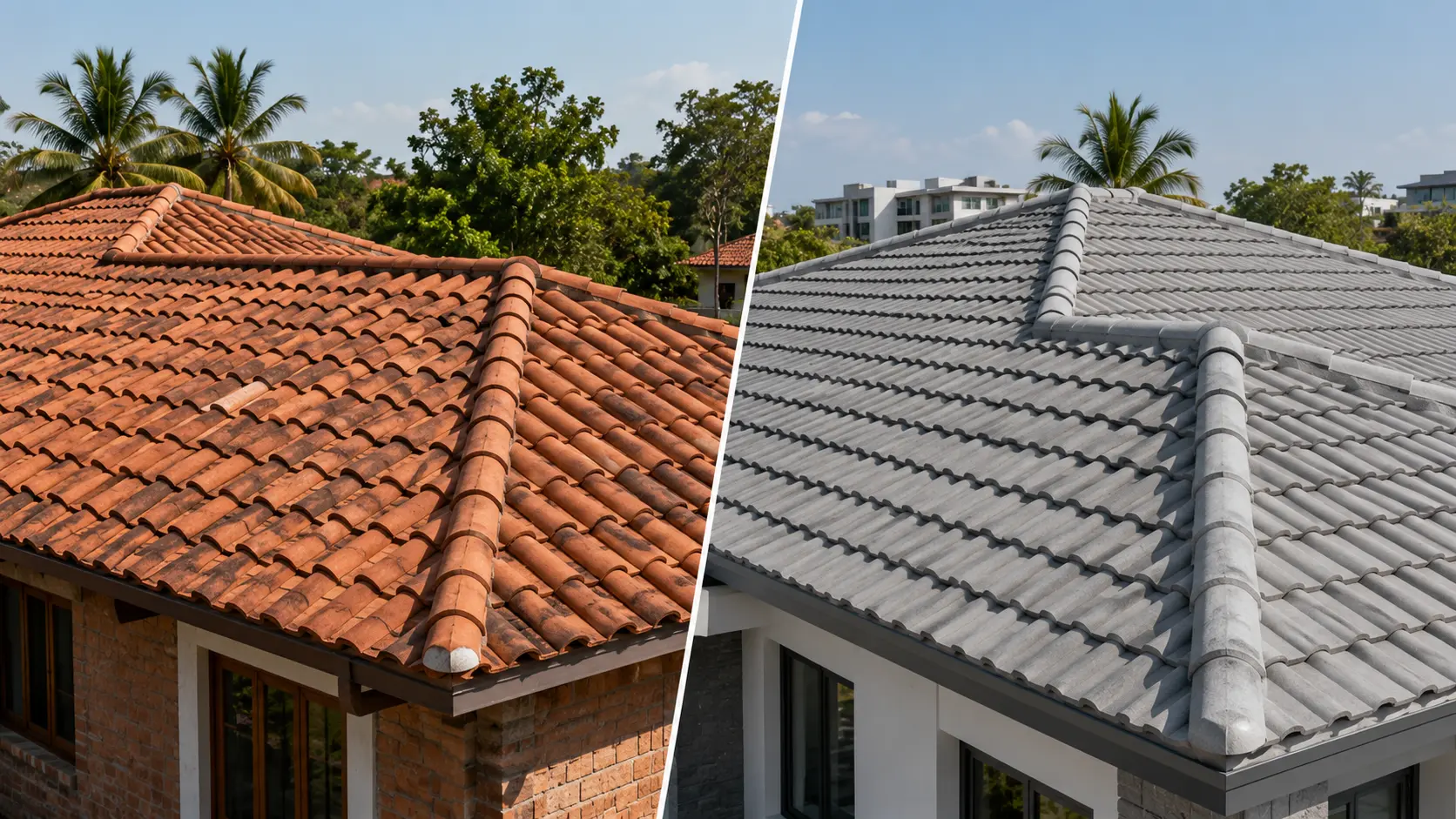
Homeowners choose tile primarily for its exceptional fifty-plus-year lifespan and the genuine architectural authenticity it brings to the right home style, common throughout historic sections of Bryn Mawr, Villanova, and West Chester. Because tile is considerably heavier than shingle or metal, we assess structural capacity honestly before ever recommending it, and we will tell you directly when a home needs reinforcement or when tile simply is not the right structural fit.
35+ Years Experience | Licensed and Insured | Manufacturer Certified | Financing Available | Warranty Protection | Residential Roofing | Historic Home Specialists | 5 Star Reviews
What Is Tile Roofing
Tile roofing consists of individual clay or concrete tiles installed in overlapping courses over a waterproof underlayment, creating a distinctive profile that has defined Mediterranean, Spanish Colonial, and certain historic architectural styles for centuries. Clay tile is manufactured by firing natural clay at high temperature. producing the traditional terracotta appearance most people picture when they think of tile roofing. Concrete tile is manufactured from a cement and sand mixture cast into similar profiles, offering a comparable appearance and durability at a more moderate price point.
Performance is where tile genuinely sets itself apart from every other common roofing material. Individual tiles routinely outlast the underlayment and flashing installed beneath and around them by decades, which is an important nuance for homeowners to understand: it is very often the flashing, not the tile itself, that eventually needs attention. Homeowners choose tile primarily for this combination of exceptional longevity and genuine architectural character that no other material fully replicates.
Residential applications dominate tile’s use in this region, appearing most commonly on historic and architecturally significant homes throughout the Main Line and Chester County. Commercial and institutional use is more limited but not unheard of, particularly on buildings where architectural consistency with a historic district or campus aesthetic matters.
A typical lifespan runs fifty years or more with proper maintenance, among the longest of any common roofing material available. Weather performance is generally excellent, with tile handling wind, hail, and fire exposure well, though the structural weight consideration means understanding how tile performs specifically on your home’s framing is the first step toward determining whether it is the right investment for your property.
Is Tile Roofing Right for Your Property
Tile delivers real, distinctive value, but structural capacity is a genuine constraint that determines whether it is actually viable for a given home.
Ideal For
Luxury and estate homes: Tile’s premium appearance and exceptional longevity suit higher-end properties where long-term value and architectural presence both matter.
Mediterranean and Spanish architecture: Tile is the traditional and visually correct choice for homes built in these architectural styles, delivering authenticity no other material fully replicates.
Homeowners prioritizing maximum lifespan: At fifty-plus years, tile offers among the longest service lives of any residential roofing material, a genuine long-term investment.
Historic homes requiring period-appropriate materials: Many historic properties throughout the Main Line were originally roofed in tile, and restoration or replacement in kind preserves that architectural integrity.
May Not Be Best For
Homes requiring structural reinforcement: Tile weighs two to three times what a comparable shingle roof weighs, and homes without adequate original framing need reinforcement work before tile becomes viable, adding real cost to the project.
Tight renovation budgets: Tile represents a larger upfront investment than shingle or metal, and it is not the practical choice where budget is the primary constraint.
Homes with architectural styles that tile does not suit: On a Craftsman bungalow or a contemporary home, tile can look architecturally out of place regardless of installation quality, and we will say so directly rather than push a mismatched recommendation.
Free Roofing Material Consultation
Not sure if tile roofing is the right choice for your home or commercial property? Our experienced roofing specialists will inspect your roof, discuss your goals, and help you determine whether this roofing system is the best fit for your budget, property, and long-term needs.
Schedule Free Consultation: Call Us 610-896-6388 or fill out our contact form.
Best Tile Roofing for Your Home’s Architectural Style
Tile’s architectural fit is more specific than shingle or metal, and matching it correctly matters both for appearance and for getting genuine long-term value from the investment.
Mediterranean and Spanish Colonial Homes
Found in select estate properties throughout Villanova and Gladwyne, these homes are tile’s most authentic and traditional application, where clay barrel tile delivers genuine period character.
Tudor Revival and English-Style Homes
Common throughout Wayne, Haverford, and Bryn Mawr, these homes suit flatter concrete or slate profile tile that complements steep, complex rooflines without the visual weight of barrel tile.
Historic Estate Homes
Prevalent throughout Villanova and parts of West Chester, many original historic properties were built with tile roofing, and restoration in kind preserves the home’s documented architectural integrity.
Italianate and Formal Colonial Homes
Select properties throughout Bryn Mawr and Radnor with formal, symmetrical facades paired well with flat-profile concrete tile in traditional earth tones.
Homes That Are Not Good Candidates
Craftsman bungalows, contemporary construction, and most mid-century ranch homes generally do not suit tile architecturally regardless of structural capacity, and we will recommend against it even when a homeowner specifically asks.
Benefits of Tile Roofing
Tile’s advantages go well beyond its distinctive appearance, delivering real, long-term practical value.
Exceptional Lifespan: Fifty years or more of service life, among the longest of any residential roofing material available.
Distinctive Architectural Character: A genuinely authentic appearance for Mediterranean, Spanish Colonial, and certain historic home styles that no other material fully replicates.
Excellent Fire Resistance: Non-combustible construction offers strong fire protection, a meaningful consideration in wooded areas throughout our service region.
Individual Tile Repairability: Damaged tiles can be repaired or replaced individually without disturbing the surrounding roof, keeping repair costs contained.
Strong Wind and Hail Performance: Properly installed tile handles severe weather reliably, holding up well through regional storms.
Low Long-Term Maintenance: Beyond periodic inspection of flashing and underlayment, tile itself requires very little ongoing attention.
Natural Insulation Properties: Tile’s mass provides a degree of natural thermal insulation, contributing modestly to energy efficiency.
Strong Resale Value: A well-maintained tile roof is a genuine architectural asset, particularly appealing to buyers of historic or luxury properties.
Color and Profile Stability: Tile does not fade or degrade in appearance the way some other materials do under decades of UV exposure.
Environmentally Durable Material: Tile’s exceptional lifespan means far fewer roof replacements over a building’s life, reducing long-term material waste.
Monday through Saturday | Free Estimates | Emergency Response Available
Types of Tile Roofing We Install
Tile spans several distinct materials and profiles, each suited to different architectural styles and budgets.
Clay Tile
The traditional material most associated with authentic Mediterranean and Spanish colonial roofing is manufactured by firing natural clay at high temperatures into distinctive terracotta-toned tiles. Clay offers exceptional longevity, often exceeding fifty years, and a genuine historic character that concrete cannot fully replicate. It represents the premium end of the tile category, both in appearance and price.
Concrete Tile
A more economical alternative to clay, offering a similar appearance and comparable durability at a more moderate price point. Concrete tile is manufactured from a cast cement and sand mixture and is available in a wide range of colors and profiles, including options styled to closely resemble clay. For homeowners wanting tile’s architectural character without clay’s premium cost, concrete is frequently the practical choice.
Composite Tile
A lighter weight, synthetic alternative engineered to replicate the appearance of clay or concrete tile while weighing considerably less, reducing or eliminating structural reinforcement requirements on homes that could not otherwise support genuine tile. Composite tile offers strong impact resistance and a Class A fire rating, making it a legitimate option where a genuine tile budget exists but the structure cannot support natural material.
Monday through Saturday | Free Estimates | Emergency Response Available
Tile Roofing by Main Line and Regional Location
Tile’s presence and suitability vary considerably by community, driven largely by each area’s historic architectural character.
Main Line Communities
Villanova and Gladwyne contain the region’s highest concentration of genuine Mediterranean and Spanish colonial estate homes originally built with tile, making these communities where tile restoration and replacement projects are most common.
Delaware County
Newtown Square includes select larger properties suited to tile, though the county’s broader housing stock skews toward mid-century construction less architecturally suited to the material.
Chester County
Historic sections of West Chester include Italianate and formal period homes where tile restoration preserves documented architectural character important to the borough’s historic district guidelines.
Montgomery County
Tile is less common throughout King of Prussia and Conshohocken, where newer construction and mid-century development are more typically suited to shingle or metal.
Philadelphia
Select historic institutional buildings and estate properties near the Art Museum area feature tile roofing, though it remains uncommon on typical residential rowhome construction.
Our Tile Roofing Installation Process
Tile installation requires more upfront planning than any other roofing material we install, and our process reflects that.
1. Inspection
A full assessment of your current roof and, where relevant, existing tile condition if this is a restoration project.
2. Preparation
Property protection with perimeter tarps and careful material staging, since tile pallets are considerably heavier than shingle or metal bundles.
3. Material Selection
Guidance on clay, concrete, or composite tile, profile, and color based on your home’s architecture and budget.
4. Structural Assessment
Confirmation of what your home’s framing can actually support, coordinating a structural engineer review where reinforcement may be needed.
5. Underlayment
Premium underlayment installed across the full deck, a critical detail given that underlayment, not the tile itself, is usually what fails first over the decades ahead.
6. Installation
Tiles installed to manufacturer specifications for fastening and overlap, performed by crews with specific tile installation experience.
7. Flashing
Custom fabricated flashing installed at every valley, chimney, and penetration, detailed specifically for the tile’s unique profile.
8. Cleanup
Full site cleanup, including careful handling of any broken tile fragments from the installation process.
9. Final Inspection
A completed project walkthrough confirming proper tile alignment, flashing detail, and overall installation quality.
10. Warranty Registration
Registration of your manufacturer warranty alongside our own written workmanship guarantee.
Need Help Choosing the Right Roofing Material
Selecting a roofing system is not just about appearance. It affects durability, maintenance, energy efficiency, and long-term value. Our roofing experts will inspect your property, explain your options, and help you compare roofing materials so you can make an informed decision with confidence.
Request Your Roofing Consultation: Call Us 610-896-6388 or fill out our contact form.
Tile Roofing vs Other Roofing Materials
Tile occupies a genuine premium category, and understanding how it compares clarifies whether its specific advantages justify the investment for your home.
Tile vs Shingle
Shingles cost considerably less upfront and require no structural assessment, but tile’s fifty-plus-year lifespan and distinctive architectural character deliver a fundamentally different kind of long term value that shingles cannot match.
Tile vs Metal
Both materials offer exceptional longevity, but metal weighs a fraction of tile’s weight and rarely requires structural reinforcement. Tile delivers more historically authentic architectural character where that specific look genuinely matters for the home’s style.
Tile vs TPO
TPO serves flat commercial and low-slope applications, while tile is a pitched residential and institutional material, so the two rarely compete for the same project.
Tile vs Roof Coating
A roof coating restores an existing flat roof, an entirely different scope and application than a new tile installation on a pitched residential roof.
| Feature | Tile | Shingle | Metal | TPO |
|---|---|---|---|---|
| Lifespan | 50+ years | 20 to 30 years | 40 to 70 years | 20 to 30 years |
| Maintenance | Low | Low | Very low | Low |
| Energy Efficiency | Good, natural insulation | Standard, reflective options available | High with reflective finish | High, reflective surface |
| Relative Cost | $$$ | $ | $$$ | Priced per square foot, flat roofs only |
| Wind Resistance | Good | Good, higher with impact rated products | Excellent | Good |
Cost Factors for Tile Roofing
Tile pricing is driven by more variables than any other roofing material, and structural requirements are often the single largest factor.
Roof Size: The base cost driver, though tile’s per-square cost runs meaningfully higher than shingle or metal at any given size.
Roof Complexity: Valleys, hips, and penetrations require specialized cutting and flashing work with tile, adding labor time beyond a simple roof plane.
Structural Reinforcement: If your home’s framing was not originally engineered for tile’s weight, reinforcement work needs to happen before installation and can add substantially to total project cost.
Material Grade: Clay costs more than concrete or composite for a comparable profile, reflecting both material sourcing and installation care required.
Underlayment Quality: Since tile itself often outlasts the underlayment beneath it, investing in a premium underlayment affects long term maintenance costs more than the initial quote.
Flashing Scope: Tile requires more specialized flashing detail than shingle, adding labor costs proportional to roof complexity.
Tear Off Requirements: Removing an existing roof, particularly a prior tile installation, adds cost given the material’s weight and handling requirements.
Accessibility: Tile’s weight makes material staging and hauling more labor-intensive than lighter materials, particularly on difficult-access properties.
Engineering Review: A structural engineer assessment, where reinforcement is a possibility, adds a line item but definitively answers whether tile is viable.
Warranty Level: Extended warranty coverage on premium clay tile lines sometimes involves specific installation certification requirements.
Monday through Saturday | Free Estimates | Emergency Response Available
Tile Roofing Colors and Profile Options
Tile’s color and profile choices directly affect how authentically the finished roof reads against your home’s architecture.
Traditional Terracotta Tones
The classic clay color most associated with Mediterranean and Spanish colonial architecture and the most historically accurate choice for genuine period restoration.
Earth Tone and Blended Concrete Colors
Concrete tile offers a wider color range than natural clay, including blended and variegated tones that can closely approximate an aged, weathered appearance.
Flat Profile Tile
Suits Tudor and Italianate-style homes better than traditional barrel profiles, delivering a more formal, less pronounced roofline texture.
Barrel and S Tile Profile
The classic curved profile most associated with Mediterranean architecture, delivering the strongest traditional visual character of any tile style.
Maintenance and Lifespan
Tile roofing requires relatively light ongoing maintenance given its exceptional durability, but the maintenance that does matter tends to focus on the systems around the tile rather than the tile itself. We recommend a professional inspection every one to two years, checking flashing condition at valleys and penetrations, since this is where tile roofs most commonly develop leaks even while the tiles themselves remain sound.
Routine cleaning primarily involves keeping valleys clear of debris and checking for any individual cracked or displaced tiles after storms, since a damaged tile left unaddressed can allow water to reach the underlayment beneath it. Preventative maintenance on tile is genuinely cost-effective, since individual tile replacement is inexpensive compared to the cost of water damage that develops if a small crack goes unnoticed for an extended period.
Storm inspections deserve attention after any significant hail or wind event, checking specifically for cracked, chipped, or displaced tiles, which can be less visually obvious than damage on shingle or metal roofing.
Expected lifespan runs fifty years or more for the tile material itself, though the underlayment beneath it typically needs replacement sooner, often at the twenty- to thirty-year mark depending on the original installation quality. Maximizing a tile roof’s effective life comes down to addressing underlayment and flashing issues proactively rather than waiting for a leak to force the issue, since the tile itself will likely outlast several underlayment cycles over the life of the home.
Signs Your Tile Roof Needs Repair or Replacement
Because individual tiles so rarely fail on their own, the warning signs on a tile roof often point to the underlayment or flashing rather than the tile itself.
Cracked or Displaced Individual Tiles
Isolated tile damage is a straightforward, inexpensive repair, and addressing it promptly prevents water from reaching the underlayment beneath it.
Interior Leaks Despite Intact-Looking Tile
This is the classic sign of underlayment failure beneath sound tile, and it typically calls for underlayment replacement rather than a full tile replacement.
Visible Moss or Algae Growth
Persistent growth on shaded sections can retain moisture against the tile and accelerate wear on the underlayment beneath it over time.
Flashing Discoloration or Separation
Since flashing typically fails before the tile itself, any visible deterioration at valleys or chimney intersections deserves prompt inspection.
Age of Original Underlayment
If your tile roof is approaching twenty to thirty years since the underlayment was last replaced, a proactive inspection can catch developing issues before they cause interior damage.
Why Choose Hynes Construction for Tile Roofing
Tile installation demands genuine specialized experience, and homeowners across our region choose Hynes for these specific reasons.
35+ Years Serving the Main Line
Decades of experience with tile installation and restoration on this region’s historic and architecturally significant homes.
Certified Installers
Crews with specific tile installation experience, backed by our GAF and CertainTeed certifications governing our broader roofing work.
Manufacturer Approved Installation Methods
Installation performed to the fastening and underlayment specification each tile manufacturer requires.
Thorough Roof Evaluations
A genuine structural assessment before ever recommending tile, not an assumption based on the home’s age or style alone.
Transparent Recommendations
We tell you honestly when a home needs reinforcement for tile or when the structural cost makes another material the more practical choice.
Dedicated Project Management
One point of contact managing your project from structural assessment through final walkthrough.
Clean Job Sites
Careful handling and clean-up are given tile’s weight and the fragility of individual pieces during installation.
Strong Warranties
Manufacturer coverage plus our own independent written workmanship warranty.
Ongoing Customer Support
Available for questions and follow-up inspection long after your installation is complete.
Monday through Saturday | Free Estimates | Emergency Response Available
Related Roofing Services
Certifications and Manufacturer Partnerships
Our tile installations are performed by crews with specific experience in this specialized material, backed by our GAF and CertainTeed certification covering our broader roofing work. See our full certifications and affiliations for details.
Financing Options
Tile represents a larger upfront investment than shingle or metal, and we offer flexible financing options for qualifying tile roofing projects to help make that investment more manageable.
Warranty Protection
Tile warranty terms vary by manufacturer and material type, and every installation carries applicable product coverage plus our own independent written workmanship warranty.
Areas We Serve
Hynes Construction is based in Ardmore on the Main Line, and our tile roofing crews serve homeowners throughout Bryn Mawr, Wayne, Villanova, Radnor, Haverford, Havertown, Gladwyne, and Narberth, along with Delaware County communities including Broomall and Newtown Square; Chester County including West Chester and Malvern; Montgomery County including King of Prussia and Conshohocken; and Philadelphia neighborhoods including Center City and the Art Museum area.
Choose the Right Tile Roofing with Confidence
Selecting a roofing material is a long term investment. We encourage every homeowner to schedule a professional evaluation, including a structural assessment, to determine whether tile roofing is the right fit based on your home’s structure, budget, design preferences, and performance goals.
- Schedule Your Free Roofing Consultation
- Request a Detailed Roofing Estimate
- Call Our Roofing Specialists Today
- Contact Us Online
Financing is available for qualifying projects, and every installation carries manufacturer warranty coverage plus our own written workmanship guarantee.
Monday through Saturday | Free Estimates | Emergency Response Available
GET FREE ESTIMATE
Frequently Asked Questions
Not always. Tile is significantly heavier than shingle or metal roofing, and some homes require structural reinforcement. We assess this during your estimate, at no cost, and give you an honest answer before you commit to anything.
Clay and concrete tile roofing typically lasts fifty years or more, often outlasting the underlayment beneath it, which may need replacement sooner even while the tiles themselves remain sound.
Tile roofing typically runs eighteen thousand to thirty-five thousand dollars or more for a standard residential roof, depending on tile type, roof complexity, and any structural reinforcement needed. Call 610-896-6388 ffor a free estimate.
Yes. Individual tile repair or replacement is common and cost-effective and does not require disturbing the surrounding roof, one of tile’s real practical advantages over other materials.
Clay offers a traditional terracotta appearance and slightly better longevity, while concrete provides a similar look at a more moderate price point. Both are excellent long term options when the underlying structure supports them.
Tile suits Mediterranean, Spanish, and some traditional styles particularly well. We give an honest assessment of whether it fits your home’s architecture during your estimate rather than pushing it regardless of style.
A structural engineer assessment, which we can coordinate as part of your estimate, definitively answers this question based on your home’s actual framing and span, not just its age or general construction type.
Quality tile handles freeze thaw well, though it is worth confirming the specific product is rated for this climate zone, since some tile products are formulated primarily for warmer, drier regions.
Composite tile is a lighter-weight synthetic material engineered to replicate clay or concrete tile’s appearance while weighing considerably less, a legitimate option where structural weight is a concern but the architectural look of tile is still desired.
Yes. Financing is available for qualifying projects. Call 610-880-3890 or visit our financing page to discuss available programs, particularly relevant given tile’s larger upfront investment.
Coverage varies by manufacturer and tile type, and we walk through the specific terms during your estimate, in addition to our own written workmanship warranty on every installation.
Both. We regularly restore and repair historic tile roofing throughout the Main Line, matching materials as closely as possible to preserve the home’s original architectural character.
TESTIMONIALS
-
C
I highly recommend Peter from Hynes Construction. He did work on the flat roof of my house and did a fabulous job. He is a very professional guy, great with follow up, answers your questions and gives great suggestions based on his experience, and Hynes construction is reasonably priced. Services: Power/pressure washing, Roof repair, Roof installation, Window cleaning.
Candance Prvitt
-
C
Krissy helped me and provided a competitive quote for a new roof. After going through with 4 different quotes from other roofing companies, I decided Hynes Construction was the perfect company for the job. The roof looks beautiful and I am happy working with Hynes Team and I would recommend them to anyone doing a roof replacement! Services: Roof inspection, Roof installation, Roof repair
Marlain Tassone
-
B
Hynes Construction did a fantastic job on my roof. Krissy was professional and easy to work with. They completed my large roof in a day. The crew worked very hard and cleaned up every bit of it. I am extremely happy with my decision of choosing Hynes Construction... Thanks a lot for a wonderful job well done. Services: Roof inspection, Roof installation, Skylight installation
Brigid Goon
-
N
They are quick. Handled everything in a proper way. Hynes Team did an amazing job and were very professional and friendly. They did a great job in cleaning. The work quality is fabulous and they offer competitive pricing. Professional and on time, I would definitely recommend Hynes Construction. Service: Window cleaning
Nancy Brown
-
M
Hynes is undoubtedly the best roofing company around! Professional and experts in what they do, they are clear and will guide you in a right way. I had a leak in my kitchen which another company told me I needed to replace the whole roof which I was too scared off. Later I called Hynes Team for second opinion and they were able to repair the roof and save me from spending thousands of dollars! So thankful for their honesty Services: Roof inspection, Storm / wind damage roof repair, Roof repair
Michael Reilly
-
S
Ridge and Peter both were wonderful and easy to work with. They took the time telling me about the work required and they both were very knowledgeable. I am sure Hynes Team and the company really take good care about the people they work with. I would highly recommend Hynes for any Roof replacement projects! Services: Roof inspection, Roof installation, Roof repair
Stantec
-
J
Contacted Hynes Construction for some minor roof repairs. Hynes had someone out in no time and the repairs were done right after, they were really quick and delivered on time as they promised. I would definitely recommend them for your roofing needs! Thanks to Dan for getting our roof repaired and giving us peace of mind Service: Roof repair
Jeffer Punzalan