Doors
- Home
- Doors
GET FREE ESTIMATE
Door Installation & Replacement Main Line PA
Door Installation & Replacement Main Line PA services help homeowners improve security, energy efficiency, curb appeal, and long-term protection against Pennsylvania’s changing weather conditions. Hynes Construction installs and replaces entry doors, patio doors, and storm doors across the Main Line with professionally fitted pre-hung systems designed for historic Colonials, Victorians, Craftsman homes, and modern properties alike. From drafty aging entry doors to damaged patio systems and outdated storm doors, our team provides door solutions built for Main Line architecture, climate performance, and long-term durability.
Hynes Construction | 119 Sibley Ave, Ardmore PA 19003 | 610-896-6388 | 50+ Years Local | HICPA Registered | Licensed and Insured | Free Estimates
What Is Professional Door Replacement and Why It Matters for Main Line Homes
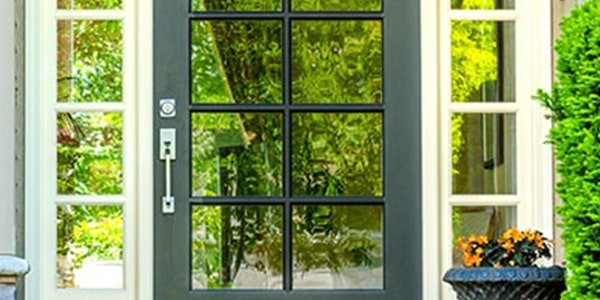
Professional door replacement is the process of removing your home’s existing exterior door and frame, assessing and repairing the rough opening and surrounding structure if needed, and installing a new pre-hung door unit, including frame, threshold, weatherstripping, and hardware, correctly sealed, plumbed, and leveled within the opening.
Your home’s exterior doors are among its most consequential components. They are the primary security barrier at your home’s entry points, the largest source of conditioned air infiltration and exfiltration (after windows) in most homes, and the most visible architectural element at the front of the home and in the case of patio doors. The largest single opening into the living space that must simultaneously provide light, access, and a sealed thermal barrier.
Request your free estimate or call 610-896-6388.
For Main Line, PA, homeowners, door performance demands are specific and significant. Pennsylvania’s winters drive temperatures below zero, which stresses weatherstripping, expands and contracts door frames and drives cold air through every gap in a poorly fitted or aging door. Pennsylvania’s summer humidity and heat cause wood doors to swell and fiberglass and steel doors to test their thermal break performance. Main Line properties. Many of them are historic pre-1950 Colonial, Victorian, and Craftsman homes and also have architectural character that demands door profiles, proportions, and materials that honor the home’s design language, not just its functional requirements.
Hynes Construction installs patio doors and storm doors across the Main Line, alongside our full exterior services, including windows, siding, and roofing. See completed projects at our photo gallery.
Our Door Installation Credentials
| Credential | What It Means for Your Project |
|---|---|
| HICPA Registered | Pennsylvania Home Improvement Contractor Act registration, required by law for contractors performing home improvement work over $500. Verifiable online through the PA Attorney General. |
| Energy Star Qualified Products | We install Energy Star-certified door systems that meet federal energy performance thresholds. Eligible for potential federal tax credits and PECO utility rebates. |
| Fully Licensed and Insured | General liability and workers’ compensation on all crews. Documentation available before any work starts. |
| 50+ Years on the Main Line | Thousands of door installations across Chester, Delaware, and Montgomery Counties. We understand the architectural character and specific performance requirements of every era of Main Line construction. |
| Written Workmanship Warranty | Every Hynes door installation is covered by a written workmanship warranty in addition to the manufacturer’s product warranty. Available at hynesconstruction.com/about/warranties/ |
Door Services We Offer Across the Main Line
Entry Door Replacement
Entry door replacement encompasses the front door, rear entry door, side entry door, and any other exterior door that serves as a primary access point into the home. We install pre-hung entry door systems in fiberglass, steel, and wood in all standard and custom sizes, with sidelights, transoms, decorative glass panels, multi-point locking systems, and smart lock compatibility. Entry door replacement is consistently rated among the highest-ROI home improvement investments available: a steel entry door replacement returns an average of 188% of its cost in resale value, according to Remodeling Magazine’s 2025 Cost vs. Value Report. For Main Line homes where the front entry establishes the first impression for buyers and neighbors, door selection is both a functional and strategic decision.
Patio Door Replacement
Patio door replacement involves removing existing sliding glass doors, French doors, or hinged patio doors and installing new, correctly fitted patio door systems. Patio doors are the largest opening into the living space and typically the highest-use exterior door in the home. They must deliver energy efficiency, smooth operation, security, and visual connection to the outdoor space simultaneously. We install sliding patio doors, French patio doors, bi-fold patio doors, and multi-panel door systems in vinyl, fiberglass, steel, and wood.
Storm Door Installation
Storm door installation adds a secondary exterior door in front of the primary entry door, providing an additional layer of weather protection, security, and ventilation control. Storm doors are particularly valuable on the Main Line for pre-1978 homes where the primary door may not have the thermal performance of modern units, and for any home where a screened entry is desired for spring and fall ventilation without fully opening the primary door. We install aluminum and steel storm doors in full-view, mid-view, retractable screen, and security configurations.
Door Materials – Choosing the Right Material for Your Main Line Home
Fiberglass Doors – Best Overall Performance for Pennsylvania’s Climate
Fiberglass entry and patio doors are the top-performing replacement door material for Pennsylvania’s climate. Fiberglass does not expand and contract significantly with temperature change. A critical advantage in a climate that swings 100+ degrees Fahrenheit annually. It does not warp from moisture exposure like wood, does not dent like steel, and can be textured and finished to replicate the grain and character of natural wood at a fraction of the maintenance requirement.
Premium fiberglass doors (ProVia, Therma-Tru, Andersen, and Pella) are available with high-definition wood grain embossing that reads as authentic wood from the street, appropriate for historic Main Line Colonials and Victorians where an authentic entry profile is architecturally important. Fiberglass doors have an expected lifespan of 30 to 50 years with minimal maintenance. Energy performance: Fiberglass doors deliver U-factors of 0.17 to 0.30 depending on the glass package, well within Energy Star Northern Zone requirements.
Steel Doors – Best Security and ROI
Steel entry doors are the dominant choice when security is the primary priority and where the entry profile is relatively straightforward. A 20-gauge steel door resists forced entry far better than wood or fiberglass, and modern steel doors include polyurethane foam cores that deliver excellent insulating performance typically R-5 or higher at the door slab. Steel doors accept paint readily and can be finished in any color, including deep accent colors (navy, charcoal, forest green, burgundy) that are currently popular on Main Line home entries.
The ROI data on steel entry doors is remarkable: Remodeling Magazine’s 2025 Cost vs. Value Report shows steel entry door replacement returning 188% of project cost on resale, making it one of the highest-ROI home improvement investments available regardless of price point. For Main Line homeowners preparing to list, a steel entry door replacement is often the single highest-return project available.
Wood Doors – Authentic Character for Historic Main Line Homes
Solid wood entry doors in mahogany, oak, fir, and specialty species are the architecturally correct choice for the most premium Main Line historic homes where an authentic wood entry is part of the home’s design language. A quality wood door with carved panels, applied moldings, and decorative glass matches the interior craftsmanship standards of pre-1940 Main Line Colonials and Victorians in a way that fiberglass or steel cannot fully replicate at close inspection. The trade-off: wood doors require periodic refinishing (every 2 to 5 years on sun-exposed entries) and are more susceptible to moisture-induced warping and swelling than fiberglass or steel.
Aluminum – Storm Doors and Commercial Applications
Aluminum is the dominant material for storm doors and some commercial door applications. It is lightweight, corrosion-resistant, and available in a wide range of baked-on paint colors. For storm doors, heavy-gauge aluminum is appropriate for full-view, security, and retractable screen configurations. For primary entry doors, aluminum is rarely the right choice for residential applications. It conducts heat and cold through the frame (thermal bridging) even with thermal breaks, making it less energy-efficient than fiberglass or steel with comparable insulated cores.
Door Materials Comparison – Main Line PA Guide
| Factor | Fiberglass | Steel | Wood (Solid) |
|---|---|---|---|
| Cost installed (single door) | $1,500 to $5,000 | $1,200 to $3,500 | $2,500 to $10,000+ |
| Expected lifespan | 30 to 50 years | 30 to 100+ years (with maintenance) | 25 to 75+ years (with maintenance) |
| Maintenance | Minimal. Clean and repaint every 10-15 years. | Repaint every 5-10 years. Lubricate hinges. | Refinish every 2-5 years on sun-exposed entries. |
| Energy efficiency | Excellent. U-factor 0.17 to 0.30. | Excellent with foam core. R-5 or higher. | Good. Varies with wood species and core. |
| Expand/ contract with PA climate | Minimal. Stable in all temperatures. | Minimal. Minor thermal expansion managed by frame. | Moderate. Wood expands in humidity and contracts in cold. |
| Security | Good. Reinforced steel lock blocks available. | Best. Resists forced entry. High-gauge steel. | Moderate. Solid wood but vulnerable at frame joints. |
| Warp/rot resistance | Excellent. Immune to moisture damage. | Excellent. Coatings prevent rust if maintained. | Fair. Requires maintenance to prevent moisture damage. |
| Architectural authenticity | High — wood grain texture available. | Moderate — smooth or embossed profiles. | Highest — natural wood grain and warmth. |
| ROI on resale (2025 data) | 97% avg. (grand entrance fiberglass) | 188% avg: highest ROI entry project | 55-70% avg: highest end cost reduces percentage |
| Best for Main Line application | Most Main Line homes: best value/performance balance | Pre-sale upgrades, security-first, budget-conscious | Historic premium properties, architectural authenticity |
Entry Door Styles – What Works on Main Line Homes
Single Entry Doors
A single pre-hung door unit 36 inches wide by 80 or 96 inches tall (or custom sizes for non-standard openings) is the most common entry door configuration on the Main Line. For historic homes in Ardmore, Bryn Mawr, and Narberth where the original entry profile is narrow and intimate, a single door in a period-appropriate profile with decorative glass and appropriate hardware is the right specification. Modern single doors are available with multi-point locking systems that engage at 3 to 5 points along the frame, dramatically improving security over the traditional single-point deadbolt.
Entry Door with Sidelights
Sidelights are fixed (non-opening) glass panels flanking the primary entry door. They significantly increase the natural light entering the foyer and create a more expansive, welcoming entry which is appropriate for Colonial and Victorian Main Line homes with generous foyer spaces. Sidelights can be specified with decorative art glass, beveled glass, leaded glass, or clear glass with privacy options. Entry door with sidelights installations run $2,500 to $8,000 installed depending on material and glass specification.
Entry Door with Transom
A transom is a fixed glass panel above the entry door. Alone or combined with sidelights, it creates a formal entry statement appropriate for the scale of larger Main Line Colonial and Victorian homes. Transoms with decorative or leaded glass are architecturally correct for pre-1950 homes in historic Main Line neighborhoods. Installations with a door, sidelights, and transom run $4,000 to $12,000+, depending on material, glass, and frame complexity.
French Entry Doors – Double Door Configuration
French entry doors (double doors, both panels active) create a dramatic entry statement appropriate for larger Main Line Colonials and Victorians where the scale of the entry calls for a wider opening. Both panels typically swing on the same axis, with an astragal (vertical mullion) between them. Active and inactive panels can be configured to match the household’s traffic pattern. French entry doors in fiberglass or wood run $3,500 to $12,000 installed, depending on material and glass specification.
Key Benefits of Door Replacement for Main Line PA Homes
| Benefit | What It Delivers | Main Line Relevance |
|---|---|---|
| Energy Savings | Modern insulated exterior doors reduce thermal loss by up to 40% vs. aging wood or aluminum doors. Energy Star-certified doors reduce heating and cooling costs measurably. | Pre-1980 Main Line homes commonly have original wood or aluminum doors with no insulating core. The energy savings on replacement are highest in these homes. |
| Security Upgrade | Multi-point locking systems, reinforced strike plates, and high-gauge steel doors dramatically increase resistance to forced entry vs. single-point deadbolts on aging doors. | Home security is a priority across all Main Line communities. A front door that cannot be kicked in through multi-point locks and a reinforced frame is the most cost-effective security upgrade available. |
| ROI — Steel Entry Door | Remodeling Magazine 2025 Cost vs. Value: steel entry door replacement returns 188% of cost in resale value. | In Main Line real estate transactions, buyer inspectors flag deteriorated, drafty, or poorly sealing entry doors as deferred maintenance items that reduce offer values. A new entry door removes this negotiating point. |
| Curb Appeal | The front door is the focal point of your home’s exterior. A new door in a current accent color or period-appropriate profile transforms curb appeal immediately. | Main Line neighborhoods have strong visual standards. The right front door — well-proportioned, appropriate profile, current accent color — elevates the entire home’s exterior presence. |
| Comfort | Eliminates cold air infiltration at entry thresholds, drafts at door perimeters, and temperature imbalance in foyer and adjacent rooms in winter. | Pennsylvania winters create significant comfort issues at poorly sealing entry doors — the foyer can be 10 to 15 degrees colder than adjacent rooms in homes with aging entry systems. |
| Noise Reduction | Modern solid-core exterior doors with quality weatherstripping reduce exterior noise infiltration significantly. | Main Line properties near Route 30, Route 202, or SEPTA rail benefit from improved sound attenuation at entry points. |
Door Hardware — Locks, Handles, and Smart Entry Options
Door hardware is the detail work that completes a door replacement project and should be selected in coordination with the door material and style. Hardware selection affects both security and appearance:
- Deadbolt locks: ANSI Grade 1 deadbolts (the highest residential security grade) are our standard specification on all entry door replacements. Grade 1 deadbolts have a 1-inch bolt throw, reinforced strike plate, and are tested to 250,000 open-close cycles without failure.
- Multi-point locking systems: Premium fiberglass and steel entry doors can be specified with multi-point locking systems that engage at 3 to 5 points simultaneously along the door frame when the deadbolt is thrown. This dramatically improves resistance to forced entry and improves the door’s weather seal at the same time.
- Smart locks: Keypad, fingerprint, and Wi-Fi-enabled smart locks are compatible with most modern entry door pre-hung units. We pre-bore and prepare door slabs for smart lock compatibility during installation. The specific smart lock device is selected and installed by the homeowner or a locksmith after installation.
- Handlesets and knobs: Brushed nickel, oil-rubbed bronze, matte black, and polished brass are the dominant hardware finishes on the Main Line in 2025-2026. We recommend choosing hardware in a finish that coordinates with exterior light fixtures, house numbers, and any other exterior metal elements for a cohesive entry appearance.
Door Glass Options – Privacy, Light, and Energy Performance
Glass options in entry and patio doors affect privacy, natural light, and energy performance simultaneously:
- Clear glass: Maximum light transmission. Minimum privacy. Appropriate for doors where the entry is set back from the street or protected by a storm door or covered porch.
- Decorative and art glass: Beveled, leaded, textured, and art glass panels are architecturally appropriate for historic Main Line Colonials and Victorians. They provide privacy (through opacity or patterning) while admitting diffuse natural light.
- Low-E glass: Microscopic metallic coating that reflects heat in both directions, keeping heat inside in winter and outside in summer. Standard on Energy Star-certified door units. Reduces UV transmission by 70-95%, protecting interior flooring and furnishings from fading.
- Blinds between the glass: Built-in blinds sealed between two panes eliminate the maintenance and cleaning burden of interior blinds at patio door openings. Increasingly popular on the Main Line are sliding and French patio doors opening to decks and patios.
Door Replacement Cost Guide for Main Line PA (2026)
| Door Type and Scope | Cost Range Installed | Key Variables |
|---|---|---|
| Single steel entry door (standard 36×80) | $1,200 to $3,000 | Door grade, glass, hardware, frame condition, trim work |
| Single fiberglass entry door (standard 36×80) | $1,500 to $4,500 | Door grade, wood grain finish, glass panel, hardware |
| Single wood entry door (solid, standard 36×80) | $2,500 to $8,000 | Wood species, panel design, finish, hardware |
| Entry door with sidelights (fiberglass or steel) | $2,500 to $8,000 | Width, glass type, frame complexity |
| Entry door with sidelights and transom | $4,000 to $12,000+ | Frame complexity, decorative glass, custom sizing |
| French entry doors (double door, fiberglass) | $3,500 to $10,000 | Material, glass, hardware, astragal type |
| Sliding patio door (standard 6-foot opening) | $1,500 to $4,500 | Material (vinyl/fiberglass/aluminum), glass package, screen |
| French patio doors (hinged, standard 5-6 foot) | $2,500 to $8,000 | Material, glass package, inswing vs outswing, screen |
| Storm door (standard aluminum, full-view) | $400 to $1,200 | Door grade, glass type, retractable screen vs insert |
| Storm door (security, heavy-gauge) | $700 to $1,800 | Heavy-gauge construction, locking system, glass specification |
The Main Line market runs 15 to 25% above Pennsylvania state averages for door installation due to higher labor costs, the complexity of historic homes, and the premium product specifications typical in this market. Free written estimate. Call 610-896-6388 or request online.
Signs Your Main Line Home Needs Door Replacement
- Drafts at the door perimeter or threshold: Cold air infiltration around the door frame or under the threshold in winter indicates failed weatherstripping, failed threshold seal, or a warped door that is no longer fitting squarely in the frame. You can test this by holding a lit candle or incense stick near the door perimeter on a windy day, any flame movement indicates air infiltration.
- Difficulty opening, closing, or latching the door: A door that sticks, binds, drops, or requires significant force to latch has settled out of square. This can indicate settling of the door frame, warping of the door slab, or hinge failure. The seal between a misaligned door and its frame is compromised.
- Visible deterioration of wood door or frame: Rot at the bottom rail of a wood door, at the sill, or in the door frame indicates moisture has penetrated the finish and is actively degrading the substrate. Rotted wood door frames cannot be effectively sealed against air or water infiltration.
- Condensation on interior door surface or frame: Interior condensation on a door indicates a significant thermal performance failure. Single-pane glass in doors, aging wood cores, or failed weatherstripping all allow the door surface to drop below the dew point of interior air in cold weather.
- Rust or corrosion on steel door: A steel door that has not been maintained with regular painting will eventually develop rust. Surface rust can be addressed with sanding, rust converters, and repainting. Through-corrosion compromising the door’s structural integrity requires replacement.
- Home is 20+ years old with original doors: Doors from the 1990s and earlier, which is common on Main Line homes that have not had significant renovation, are at or approaching end of effective service life. Weatherstripping degrades, thresholds settle, and thermal performance diminishes over time.
Best Time to Replace Doors in Main Line PA
OPTIMAL: Fall (September-November) and Spring (March-May)
Moderate temperatures allow door installation in ideal conditions, like caulk and sealant curing correctly, and installation crews can work efficiently without the extreme heat of summer or the cold of winter.
FALL ADVANTAGE: Securing new doors before Pennsylvania’s winter heating season maximizes energy savings and eliminates drafty entries for the most demanding months.
WINTER: Door installation can be completed in winter with proper crew preparation. Off-season scheduling may improve availability and occasionally offers pricing advantages on standard products.
SUMMER: Door replacement is possible in summer, but completion time is slightly longer due to heat affecting some sealants. Favorable for projects where the entry has significant shade.
Our Door Installation Process
01 Free In-Home Assessment: We assess the existing door, frame, rough opening, and threshold. We measure every dimension accurately, assess frame condition for rot or structural issues, identify any trim or framing work needed, and discuss your material, style, hardware, and glass priorities. Written assessment provided at no charge.
02 Written Scope and Fixed Estimate: You receive a written, itemized estimate specifying the exact door unit, material, glass, hardware, and all associated work. No verbal quotes. Total price confirmed before any commitment.
03 Product Selection and Order: We guide you through final product selection. Doors are ordered and delivery confirmed before the installation date is set. Standard entry doors: 1 to 3 week lead time. Custom sizes and premium products: 3 to 8 weeks.
04 Frame and Rough Opening Preparation: Existing door removed. The rough opening was inspected and repaired as needed, including rot remediation, shimming, and structural correction if required. Correct installation begins with a sound, plumb, square rough opening.
05 Door Installation to Manufacturer Specifications: Pre-hung unit installed with correct shimming, low-expansion insulating foam, and perimeter sealant. Threshold bedded and sealed. All hardware installed and tested. Exterior trim restored.
06 Final Inspection and Warranty Documentation: Every door was tested for operation, latch, lock, and seal quality. All debris removed. Manufacturer warranty and Hynes workmanship warranty are provided in writing.
Storm Damage and Insurance Claims for Doors
Storm events, high wind, hail, and falling debris can damage exterior doors: cracked or shattered door glass, dented or bent door slabs, and damaged frames from windblown impacts. Our insurance claims assistance service includes door damage documentation as part of the full exterior damage assessment. Photograph any damage before filing your claim, and call us for a professional assessment. Door damage is frequently missed or underestimated in initial adjuster scopes.
Commercial Door Replacement on the Main Line
Hynes Construction installs commercial-grade exterior doors for retail, office, restaurant, and mixed-use properties throughout the Main Line. Commercial door installations involve commercial-specification lock hardware, ADA-compliant threshold and hardware specifications, and coordination with commercial property management schedules. Contact us to discuss your commercial door project.
Financing Available
0% interest financing plans are available for qualified homeowners. Entry door, patio door, and storm door installation projects all qualify. Ask your estimator for current terms at your free estimate appointment.
Door Replacement Services Across Main Line, PA
We install and replace doors across all 30+ Main Line communities from our office at 119 Sibley Avenue, Ardmore, PA 19003. See our full service area.
Or request online: Submit your free estimate request here. We respond within one business day.
Get Your Free Door Estimate
BOOK FALL INSTALLATION NOW: Fall is the most popular season for door replacement on the Main Line. Homeowners want new doors before the winter schedule in August and September. Our fall installation calendar fills in advance. Call 610-896-6388 now to secure your preferred installation date.
Door Repair vs. Door Replacement – Which Do You Actually Need?
Not every door problem requires full replacement. Many common door issues can be resolved with targeted repairs at a fraction of the cost of a new unit. Understanding which problems are repairable and which indicate that replacement is the more cost-effective path saves Main Line homeowners both time and money.| Condition | Door Repair Appropriate? | Door Replacement Appropriate? |
|---|---|---|
| Drafts at the perimeter—weather stripping worn or compressed | YES, replace weatherstripping ($50-$200 in parts and labor). Fast fix. | Not required if frame and door slab are sound. |
| Door sticks or drags at bottom – minor settling | YES, plane or trim the bottom of the door. Rehang on adjusted hinges. | Only if the frame is severely out of square or rotted. |
| Single deadbolt not throwing fully | YES, strike plate adjustment and deadbolt replacement ($75-$200). | Not required for hardware failure alone. |
| Rotted wood frame or sill plate | NO, rot will continue to spread. Sealing is temporary. | YES, rotted frames require full pre-hung unit replacement. |
| Failed door glass (fogged, cracked) | YES, glass or panel replacement may be possible separately. | If the frame is also deteriorated, replace the full unit. |
| The door will not close or latch in summer humidity | YES, seasonal wood swelling. Plane door in dry weather. | If wood has permanently warped beyond seasonal adjustment. |
| Hinge failure or hinge binding | YES — replace hinges ($100-$300). Refinish surrounding wood. | Only if hinge failure has damaged the frame structurally. |
| Major bottom rot, both door slab and frame | NO, repair cannot address structural and thermal failure together. | YES, full pre-hung replacement with rot remediation. |
| Dented steel door slab, no frame damage | YES, steel filler repair and repaint ($200-$500) if cosmetic only. | If dent has a compromised insulating core or structural integrity. |
Composite Doors – The Fifth Material Option
Beyond fiberglass, steel, and wood, composite doors represent a growing category that combines materials for specific performance advantages. Composite door construction typically uses a solid polyurethane foam core (high insulation) bonded to glass-reinforced plastic (GRP) or wood composite face skins that can be deeply embossed with realistic wood grain texture.
- Advantages over steel: Does not rust or dent. Can be painted any color. Deeper wood grain texture than steel embossing.
- Advantages over fiberglass: Higher strength-to-weight ratio on some products. Often slightly lower cost than premium fiberglass.
- Advantages over wood: No warping, no rot, no requirement for periodic exterior refinishing. Dimensionally stable across PA temperature extremes.
- Cost range installed: $1,800 to $5,500 depending on profile, specification, and glass. Comparable to mid-grade fiberglass.
Composite doors are increasingly specified on Main Line colonial and Victorian homes where the deep wood-grain composite appearance provides architectural authenticity without the maintenance burden of solid wood.
Weatherstripping and Door Seal Replacement – Often Before Full Replacement
Weatherstripping is the compressible seal that runs around the perimeter of the door frame, at the head (top), two jambs (sides), and the threshold (bottom). It is the component that creates the air seal between the door slab and the frame when the door is closed. All weatherstripping compresses over time and eventually loses its ability to create a complete seal. On a door that is otherwise in good condition, weatherstripping replacement is a highly cost-effective way to restore thermal performance and eliminate drafts.| Weatherstripping Type | Location | Material | Lifespan | Replacement Cost |
|---|---|---|---|---|
| Compression strip | Door stop (jamb face) | Foam, rubber, or silicone bulb | 5 to 10 years | $80 to $200 (full door set, installed) |
| V-strip (tension seal) | Inside door stop groove | Metal or plastic V-profile | 10 to 20 years | $60 to $150 (full door set, installed) |
| Door sweep | Bottom of door slab interior face | Rubber or neoprene brush | 3 to 7 years | $50 to $120 installed |
| Threshold seal | Top of threshold | Rubber or vinyl compression strip | 5 to 10 years | $80 to $200 installed (threshold + seal) |
| Magnetic weatherstrip | Perimeter (premium entry doors) | Magnetic rubber seal | 15 to 25 years | $150 to $400 installed |
Door Color Trends for Main Line PA Homes — 2025 and 2026
The front door color is the single most visible design decision on the exterior of a Main Line home. In the current market, a bold, sophisticated front door color in a period-appropriate palette can add thousands of dollars to buyer perception of a home — and a tired, dated, or generic door color signals deferred maintenance. Here is where the Main Line market is moving:
Exterior Front Door Color Trends 2025-2026
Deep Navy and Midnight BlueBenjamin Moore Hale Navy HC-154, Sherwin-Williams Naval SW 6244Colonial Revival and Victorian — the navy door is now the defining front door statement on historic Main Line homes.Peak trend — dominant through 2026
| Color Direction | Paint Colors Leading | Best Match On Main Line Home Types | Current Trend Status |
|---|---|---|---|
| Color Direction | Paint Colors Leading | Colonial Revival and Victorian — the navy door is now the defining front door statement on historic Main Line homes. | Peak trend — dominant through 2026 |
| Forest and Sage Green | Sherwin-Williams Jasper SW 6216, Benjamin Moore Tarrytown Green HC-112 | Craftsman bungalows of Wynnewood and Narberth and stone Colonials of Bryn Mawr. | Growing strongly — second most requested color on the Main Line |
| Charcoal and Soft Black | Sherwin-Williams Tricorn Black SW 6258, BM Black Beauty 2128-10 | Contemporary additions, transitional homes, homes with dark window frames. | Strong: particularly with white or cream body color |
| Deep Red and Burgundy | Benjamin Moore Caliente AF-290, Sherwin-Williams Antique Red | Victorian and Colonial homes in Narberth and Wayne where period red doors are architecturally correct. | Returning to popularity after a decade off-trend |
| Warm White and Cream | Benjamin Moore White Dove OC-17, Sherwin-Williams Alabaster SW 7008 | Homes where the door frame and surroundings are painted the same color as the body, a monochromatic entry look. | Growing for pre-sale staging |
| Terracotta and Warm Earth | Sherwin-Williams Cavern Clay SW 7701, Benjamin Moore Autumn Leaves | Contemporary and transitional homes. A bold move that works well with stone and brick Main Line exteriors. | Early trend growing in design-forward communities |
For homeowners preparing to sell, bold, saturated front door colors in current palettes, navy, forest green, and charcoal consistently test better with buyer agents than neutral or dated colors. A $300 front door paint job in the right color is frequently one of the highest-ROI pre-sale investments available.
Door Security Ratings – What ANSI Grades Mean
Residential door hardware is rated by the American National Standards Institute (ANSI) on a 3-grade scale for security and durability:
ANSI Grade | Security Level | Cycle Tested | Best Application | Our Specification |
|---|---|---|---|---|
Grade 1 (Highest) | Heavy-duty commercial/residential security. Withstands 250,000 open-close cycles. 1-inch bolt throw. Reinforced strike plate. | 250,000 cycles | All Hynes entry door installations. Primary front and rear entry doors. | Standard on all our entry door installations |
Grade 2 (Medium) | Standard residential security. Withstands 150,000 cycles. 3/4-inch bolt throw. | 150,000 cycles | Acceptable for interior doors and secondary entry points with lower traffic. | Not specified for primary entry doors |
Grade 3 (Lowest) | Light-duty. Withstands 75,000 cycles. Basic security only. | 75,000 cycles | Light interior use only. Not appropriate for exterior doors. | Not used on any exterior installation |
Reinforced strike plate note: The strike plate is where forced-entry attempts focus. A standard 2-inch strike plate with 3/4-inch screws into the door jamb can be kicked in with one or two strikes. We install reinforced 6-inch or 8-inch security strike plates with 3-inch screws that penetrate into the structural framing behind the jamb, increasing resistance to forced entry by a factor of 3 to 5 compared to a standard installation.
Historic District Approval for Door Replacement – Lower Merion Township
Main Line homeowners in Lower Merion Township’s historic district overlay zones, Narberth Borough’s historic district, or any community with HOA architectural review requirements need to understand the approval process before ordering a door replacement:
- Lower Merion Township Historic District: Properties in the township’s historic district overlay zones require a Certificate of Appropriateness (COA) from the Historic Architectural Review Board (HARB) for exterior changes including door replacement, if the new door differs from the original in profile, material, or color. The COA application includes photographs of the existing door, drawings or product specifications for the proposed replacement, and color samples. Processing time is typically 30 to 45 days.
- What HARB typically requires: Doors that are architecturally consistent with the period of construction. For pre-1940 colonial homes: six-panel or raised-panel profiles in wood or fiberglass with authentic divided-light glass if applicable. For Victorian homes: appropriate period profiles with decorative glass. Material: wood or high-definition fiberglass wood grain. Material substitution (steel for wood, for example) is often approved with the right product and profile.
- HOA architectural review: Many Main Line communities outside formal historic districts have HOA covenants that require architectural committee approval for exterior changes, including door color changes and door replacement. We assist homeowners in identifying the right product and color for HOA submission.
- What we do: We determine COA and HOA requirements at the estimate stage, assist with specification documentation for the submission, and advise on products that are likely to be approved based on our experience with these review processes across the Main Line.
Combining Door Replacement with Other Exterior Projects
Scheduling multiple exterior improvements in the same project scope consistently saves 10 to 20% over doing each project separately. Mobilization costs, waste disposal, and crew scheduling are all more efficient when combined. Common combinations on the Main Line:
- Door and window replacement: Combining door and window replacement in a single project scope ensures consistent frame profiles, matching exterior trim profiles, and a single crew managing both. If weatherstripping on your doors is failing, window seals often are too in the same era of construction.
- Door and siding: When siding is being replaced, door trim and casing often need to be replaced or repainted as well. Coordinating door replacement with siding replacement allows the door frame and surrounding trim to be integrated into the new siding installation correctly.
- Door and roofing: Entry door replacement planned alongside roofing creates a single mobilization for both exterior upgrades reducing the homeowner’s scheduling disruption and combining site protection.
- Door and deck: Patio door replacement coordinated with deck replacement or installation ensures the threshold height, door swing direction, and deck surface height are designed to work together. We do both.
GET FREE ESTIMATE
Frequently Asked Questions
For most Main Line homes, fiberglass is the best overall choice. It delivers excellent energy performance, resists moisture damage from Pennsylvania’s 44+ inches of annual rainfall, does not warp or expand significantly through PA’s temperature extremes, and is available in high-definition wood grain textures appropriate for historic Colonial and Victorian properties. Steel is the best choice when security and ROI are the top priorities. It is the highest-security residential door material and delivers 188% average ROI on resale. Solid wood is the architecturally correct choice for the most premium historic properties where authentic wood character is essential. See our full door materials comparison table.
Single entry door replacement in the Main Line market runs $1,200 to $3,000 for a standard steel door and $1,500 to $4,500 for a fiberglass door. With sidelights: $2,500 to $8,000. With sidelights and a transom: $4,000 to $12,000+. The Main Line market runs 15 to 25% above the Pennsylvania state average. Free written estimate. Call (610) 880-3890.
Steel entry door replacement returns an average of 188% of project cost in resale value, according to Remodeling Magazine’s 2025 Cost vs. Value Report. The highest ROI of any single home improvement project nationally. Fiberglass grand entrance door replacement returns approximately 97%. For Main Line homeowners preparing to list, a new entry door is consistently among the first projects buyer’s agents recommend. A deteriorated or drafty entry door is flagged in buyer inspections and used as a negotiating point. A new door removes that item and positively signals home maintenance.
Choose steel if security is your primary concern, you are preparing for a sale and want maximum ROI, or the entry profile is relatively straightforward. Choose fiberglass if energy efficiency and long-term performance are the priority, you want a wood-grain texture appropriate for a historic home, or you want an extremely low-maintenance door that will not dent, rust, or warp across PA’s temperature and humidity extremes. Both are excellent. The right choice depends on your specific priorities, which we discuss at the free estimate visit.
A standard single entry door replacement is typically completed in one business day. A door with sidelights and a transom takes 1 to 2 days depending on frame complexity. Custom-sized and premium doors have 3 to 8 week lead times from order to delivery and also factored into the schedule before the installation date is confirmed.
We pre-bore and prepare door slabs for smart lock compatibility during installation. We can pre-bore for Schlage, Kwikset, and other major smart lock brands. The specific smart lock device (brand, model, and connectivity features) is selected and installed by the homeowner or a locksmith after door installation. This allows you to choose the specific smart lock features and connectivity platform that works with your home automation system.
Standard entry door replacement in the same rough opening, same size, is generally permit-exempt in Lower Merion Township and most other Main Line municipalities per PA IRC 2021. Structural changes to the rough opening (widening, raising, adding sidelights where none existed) may require a permit. For properties in Lower Merion Township’s historic district overlay, exterior changes, including door replacement may require a Certificate of Appropriateness from the Historic Architectural Review Board if the door profile, material, or color changes from the original. We determine permit and COA requirements at the estimate stage and manage all submissions.
In some cases, yes, if the existing door frame is structurally sound, plumb, and rot-free, and the existing frame is a standard dimension that accepts a standard door slab, a slab-only replacement is possible and less expensive than a full pre-hung unit replacement. We assess frame condition during the free estimate. On older Main Line homes where frames have settled, deteriorated, or are non-standard sizes, a full pre-hung unit replacement is typically the more reliable approach.
Yes. Every Hynes entry door installation includes the complete weatherstripping system (head and jamb weatherstripping integrated into the pre-hung unit) and an appropriate threshold, either a replacement threshold fitted to the existing floor condition or a new adjustable threshold as part of the installation scope. We do not install new door units over old weatherstripping or failing thresholds.
Yes — 0% interest financing plans are available for qualified homeowners. Entry doors, patio doors, and storm doors all qualify. Ask your estimator for current terms. Call (610) 880-3890.
A composite door uses a solid polyurethane foam core bonded to glass-reinforced plastic face skins deeply embossed with realistic wood grain texture. The result is a door that looks more like authentic wood than fiberglass or steel at close inspection but is immune to the rot, warping, and maintenance demands of real wood. Composite doors cost $1,800 to $5,500 installed. Comparable to mid-grade fiberglass. They are worth the cost for Main Line. Colonial and Victorian homeowners who want wood authenticity without wood maintenance. Ask about composite options at your free estimate.
Often yes. If the door slab is undamaged and the frame is structurally sound, replacing worn weatherstripping is a fast and cost-effective way to restore the door’s air seal, typically $80 to $200 for a complete set of head, jamb, and threshold weatherstripping installed. This is always the first diagnostic step we recommend before discussing door replacement for a drafty but otherwise sound door. If weatherstripping replacement does not resolve the draft, the issue is typically either a warped door slab that no longer contacts the weatherstripping correctly or frame settling that has shifted the door out of square.
Benjamin Moore Hale Navy HC-154 and Sherwin-Williams Naval SW 6244 are the most requested front door colors on the Main Line in 2025-2026. The deep navy blue door is the defining exterior design statement of the current decade on colonial and Victorian properties. Forest and sage greens (Sherwin-Williams Jasper and Benjamin Moore Tarrytown Green) are the second most popular direction, particularly on Craftsman homes and stone Colonials. Charcoal and near-black (Sherwin-Williams Tricorn Black) continue strongly on contemporary and transitional homes. Deep red and burgundy doors are returning to popularity on Victorian homes, where period-appropriate color is the design goal.
ANSI Grade 1 deadbolts (our standard for all entry door installations) are heavy-duty residential and commercial security rated to 250,000 open-close cycles, with a 1-inch bolt throw and reinforced strike plate designed to resist forced entry. Grade 2 deadbolts are rated to 150,000 cycles with a 3/4-inch bolt throw adequate for light residential use but not our specification for primary entry doors on Main Line properties. The cost difference between Grade 1 and Grade 2 hardware is typically $30 to $80. A small premium for significantly stronger security at the most important barrier in your home.
Do I need a permit to widen my existing door opening for a new door style?
Yes, changing the size of a door opening (widening for a door with sidelights or raising for a taller door) is structural work that requires a building permit in Lower Merion Township, Haverford Township, and most other Main Line municipalities. The permit process involves confirming that the header above the opening is sized correctly for the new opening width and inspecting the completed framing and threshold work. We manage all permit applications and inspections for projects that require structural opening changes.
Yes, changing the size of a door opening (widening for a door with sidelights or raising for a taller door) is structural work that requires a building permit in Lower Merion Township, Haverford Township, and most other Main Line municipalities. The permit process involves confirming that the header above the opening is sized correctly for the new opening width and inspecting the completed framing and threshold work. We manage all permit applications and inspections for projects that require structural opening changes.




TESTIMONIALS
-
C
I highly recommend Peter from Hynes Construction. He did work on the flat roof of my house and did a fabulous job. He is a very professional guy, great with follow up, answers your questions and gives great suggestions based on his experience, and Hynes construction is reasonably priced. Services: Power/pressure washing, Roof repair, Roof installation, Window cleaning.
Candance Prvitt
-
C
Krissy helped me and provided a competitive quote for a new roof. After going through with 4 different quotes from other roofing companies, I decided Hynes Construction was the perfect company for the job. The roof looks beautiful and I am happy working with Hynes Team and I would recommend them to anyone doing a roof replacement! Services: Roof inspection, Roof installation, Roof repair
Marlain Tassone
-
B
Hynes Construction did a fantastic job on my roof. Krissy was professional and easy to work with. They completed my large roof in a day. The crew worked very hard and cleaned up every bit of it. I am extremely happy with my decision of choosing Hynes Construction... Thanks a lot for a wonderful job well done. Services: Roof inspection, Roof installation, Skylight installation
Brigid Goon
-
N
They are quick. Handled everything in a proper way. Hynes Team did an amazing job and were very professional and friendly. They did a great job in cleaning. The work quality is fabulous and they offer competitive pricing. Professional and on time, I would definitely recommend Hynes Construction. Service: Window cleaning
Nancy Brown
-
M
Hynes is undoubtedly the best roofing company around! Professional and experts in what they do, they are clear and will guide you in a right way. I had a leak in my kitchen which another company told me I needed to replace the whole roof which I was too scared off. Later I called Hynes Team for second opinion and they were able to repair the roof and save me from spending thousands of dollars! So thankful for their honesty Services: Roof inspection, Storm / wind damage roof repair, Roof repair
Michael Reilly
-
S
Ridge and Peter both were wonderful and easy to work with. They took the time telling me about the work required and they both were very knowledgeable. I am sure Hynes Team and the company really take good care about the people they work with. I would highly recommend Hynes for any Roof replacement projects! Services: Roof inspection, Roof installation, Roof repair
Stantec
-
J
Contacted Hynes Construction for some minor roof repairs. Hynes had someone out in no time and the repairs were done right after, they were really quick and delivered on time as they promised. I would definitely recommend them for your roofing needs! Thanks to Dan for getting our roof repaired and giving us peace of mind Service: Roof repair
Jeffer Punzalan