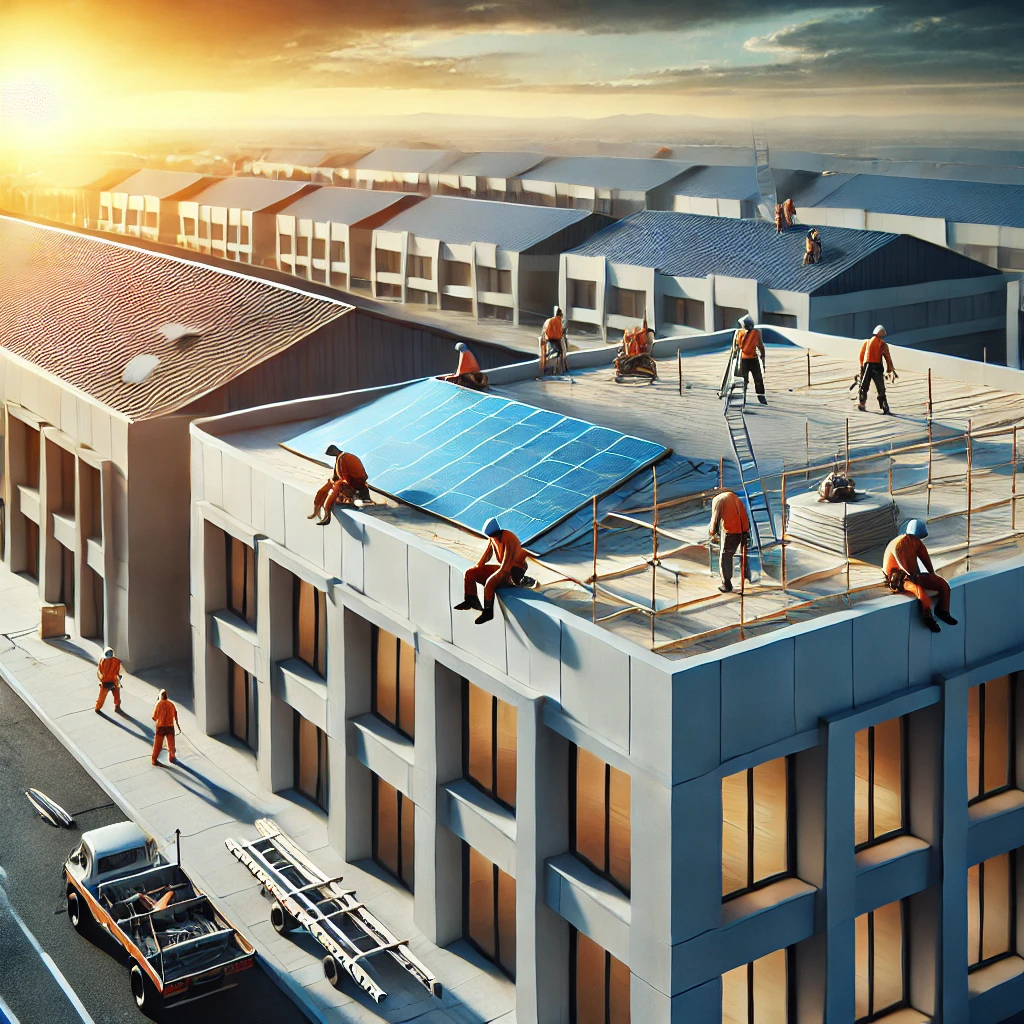
When it comes to maintaining a business property, commercial roof replacement is one of the most important but often overlooked aspects. Your roof does more than just shelter the building; it protects your valuable assets, employees, and customers. In areas like Main Line, PA, where weather conditions can be extreme, your roof is exposed to harsh winters, heavy snow, and spring rains, making it susceptible to wear and tear. This blog will discuss the top 5 reasons why commercial roof replacement is essential for your business in Main Line, PA, and how investing in a new roof can help you save money, improve energy efficiency, and protect your building.
1. The Cost Benefits of Timely Commercial Roof Replacement
Long-Term Savings on Repairs and Maintenance
When business owners face roof issues, many choose to repair their old roofs instead of replacing them. While repairs may seem cheaper initially, they often fail to address the root cause of the problem. Old roofs often have multiple issues, like cracked shingles, worn-out flashing, or damaged underlayment. These problems require frequent repairs, which add up over time.
A roof replacement helps you avoid the endless cycle of repairs. By replacing your old roof with high-quality materials, you ensure long-term savings. Over the years, you’ll spend less on repairs and avoid the stress of constant patchwork. Additionally, modern roofing materials are more durable and weather-resistant, meaning they require less maintenance than older roofs.
If you’re still wondering whether a full roof replacement is worth the cost, check out our blog on the Benefits of Timely Roof Replacements to better understand why acting early is more economical in the long run.
Energy Efficiency and Lower Utility Bills
In addition to saving money on repairs, a new roof can also help you cut down on energy costs. Old roofs often lack proper insulation, leading to air leakage. In the summer, this means cool air escapes, and in winter, heat escapes, making your HVAC system work harder and increasing heating and cooling costs. By replacing your old roof with energy-efficient materials like TPO or EPDM, you can save on utility bills.
These modern materials reflect UV rays, reducing the amount of heat absorbed by the building and making it easier to maintain a comfortable temperature. This not only helps lower your cooling costs but also improves your building’s energy efficiency.
For more on how roofing materials can help save energy, check out our Energy-Efficient Roofing Options page.
2. Roof Age and Its Impact on Your Business
The Lifespan of Commercial Roofs
The age of your roof plays a major role in determining whether it needs to be replaced. Typically, commercial roofs last between 15 and 30 years, depending on the material used. For example:
- Asphalt Shingles: Typically last 15–20 years.
- TPO (Thermoplastic Polyolefin): Can last 20–30 years with proper maintenance.
- EPDM (Ethylene Propylene Diene Monomer): Lasts around 25–30 years.
- Metal Roofing: Known for durability and can last 40+ years with minimal maintenance.
If your roof is nearing the end of its expected lifespan, it’s more likely to experience issues such as leaks, poor insulation, and water damage, leading to higher repair costs. By replacing your old roof before it fails, you protect your business from the headaches of constant repairs and the possibility of flooded inventory or damaged equipment.
To learn more about roof lifespan, refer to our Roof Lifespan Guide.
Why Roof Age Matters in Pennsylvania
In regions like Pennsylvania, your roof faces significant stress from harsh winters, heavy snow, and thawing and freezing cycles in the spring. Old roofs that are past their prime are less able to withstand these extreme weather conditions. If your roof is more than 20 years old, it might not be able to handle the wear and tear that comes with snow accumulation and spring rains. Regular inspections are essential to catch these issues before they become costly problems. A roof replacement can help prevent water damage and ice damming that might otherwise occur during the colder months.
If you are unsure about whether your roof is still holding up, check out our blog on Roofing Maintenance for Commercial Properties, where we discuss how regular upkeep can extend your roof’s lifespan.
3. Roof Replacement Enhances Business Aesthetics
Boosting Curb Appeal
While the primary purpose of a roof is functional, it also plays a significant role in your building’s appearance. A worn-out, damaged roof can give off a negative impression and affect your business’s reputation. Whether you own a restaurant, retail store, or office building, a new roof can dramatically improve your property’s curb appeal and make a lasting first impression on your customers.
In areas like Ardmore, Bryn Mawr, and Wayne, where businesses compete for attention, having a modern, well-maintained roof can make a big difference in how your company is perceived. A new roof reflects positively on your business, signaling professionalism and care.
For more on how the design of your roof can affect your building’s image, read our blog on How Roof Design Affects Your Building’s Image.
Choosing the Right Roofing Materials
When replacing your commercial roof, you have a wide variety of materials to choose from. Each roofing material offers unique aesthetic and functional benefits:
- Metal Roofing: Provides a sleek, modern look and durability, ideal for industrial and modern-style buildings.
- Green Roofs: Sustainable roofing systems that help improve your business’s eco-friendly image.
- Flat Roof Options (like TPO and EPDM): These materials are energy-efficient and can be aesthetically pleasing when installed properly.
A well-chosen roof not only improves your building’s functionality but also enhances its visual appeal, creating a positive perception among your customers.
4. The Role of Commercial Roof Replacement in Preventing Leaks and Water Damage
Protecting Your Assets
A roof doesn’t just protect the building itself—it also safeguards your business’s assets. If your roof starts leaking, you risk damaging inventory, equipment, and even electronics. Depending on the severity of the leak, water can cause mold growth, rusting, and even electrical fires. Preventing these risks is one of the main reasons why roof replacement is essential for your business.
Preventing Water Damage and Mold Growth
Water damage can be costly and destructive. Rotting wood, deterioration of insulation, and mold growth can compromise the structural integrity of your building. These issues get worse over time and require expensive repairs. By replacing your roof before the rainy season, you can avoid these problems and protect your building from further deterioration.
5. How a New Roof Contributes to Energy Efficiency and Sustainability
Energy-Efficient Roofing Materials
Replacing your old roof with energy-efficient roofing materials can help you save on utility bills and improve your building’s overall energy efficiency. TPO, EPDM, and metal roofs all have reflective properties that prevent heat buildup inside the building. This can lower cooling costs during hot summer months, making it easier for your HVAC system to maintain a comfortable temperature.
These materials also help in winter, keeping the heat inside and reducing heating costs. An energy-efficient roof contributes to sustainability by reducing the building’s carbon footprint, an important factor for businesses looking to improve their eco-friendly practices.
For more on the sustainability of roofing options, check out our page on Energy-Saving Roofing Materials.
Improved Environmental Impact
In addition to lowering your energy costs, replacing your roof with eco-friendly materials can significantly reduce your environmental impact. Green roofs are an excellent option for businesses looking to go green. These roofs can help reduce heat island effects, improve air quality, and manage stormwater runoff. By choosing sustainable roofing, you contribute to both the health of the planet and your company’s reputation.
Conclusion: Why Roof Replacement Should Be a Priority for Your Business
Replacing your commercial roof is an important decision that can save you money, protect your assets, and improve the energy efficiency of your building. A new roof enhances aesthetic appeal, provides protection from water damage, and ensures your business remains operational in the long run. If your roof is old or showing signs of damage, do not wait until it’s too late. Take action today and consider replacing your roof to avoid costly repairs down the road.
If you are ready to upgrade your commercial roof and ensure your building’s longevity, contact Hynes Construction for a professional roof inspection and expert roofing services. Whether you need a simple roof replacement or a complete upgrade, we are here to help.
Frequently Asked Questions
1. How do I know if my commercial roof needs to be replaced?
There are several signs that indicate your commercial roof may need replacing:
- Visible Damage: Look for missing, cracked, or curling shingles, especially after storms or heavy winds.
- Leaks and Water Damage: Persistent leaks inside the building or water stains on the ceiling are clear signs your roof may need replacing.
- Age of the Roof: If your roof is more than 20 years old, it’s likely reaching the end of its lifespan.
- Increased Energy Bills: If you’re experiencing higher-than-usual heating or cooling costs, it could be due to inadequate roof insulation or sealing.
If you are unsure, it’s best to schedule a professional roof inspection to assess the condition of your roof.
2. How much does commercial roof replacement cost?
The cost of commercial roof replacement varies depending on the size of your building, the type of roofing material, and the complexity of the project. On average, a roof replacement can cost anywhere between $5,000 to $50,000, but it can go higher depending on the scope of the work.
Factors that affect the cost include:
- Roof size and structure
- Type of material (e.g., TPO, EPDM, metal roofing)
- Roof accessibility
- Labor and installation costs
To get an accurate estimate for your specific needs, consider contacting a roofing contractor for a detailed assessment.
3. How long does a commercial roof replacement take?
The time it takes to replace a commercial roof depends on several factors, such as the roof size, the type of material being installed, and weather conditions. On average, a commercial roof replacement can take anywhere from a few days to a couple of weeks.
Factors that may influence the timeline:
- Roof size and complexity
- Type of roofing material (e.g., metal roofing or TPO)
- Weather conditions (inclement weather can cause delays)
It’s a good idea to consult with your roofing contractor to get an estimated timeline based on your building’s specifications.
4. Can I replace my commercial roof during the winter?
Yes, roof replacement can be done during the winter, but it’s often not ideal due to cold temperatures, snow, and ice. Cold weather can affect the installation of certain materials, especially those that require heat to properly adhere to the surface.
However, emergency roof repairs can still be conducted during the winter months to prevent further damage to the building. If you need to replace your roof, it’s best to schedule it for the spring or fall when conditions are more favorable for installation.
For more tips on winter roof maintenance, check out our blog on Winter Roof Care.
5. How often should my commercial roof be inspected?
It’s recommended that you have your commercial roof inspected at least once a year. Regular inspections help catch potential problems early, such as leaks, cracked shingles, or worn-out insulation. Additionally, after severe weather events (e.g., heavy storms or snow), it’s important to schedule an inspection to assess any damage caused.
Annual inspections are key to ensuring the longevity and effectiveness of your roof. To learn more about roof inspections, visit our blog on Roof Inspections for Businesses.
6. What roofing materials are best for commercial properties in Pennsylvania?
In Pennsylvania, where winters are harsh and summers can be hot, choosing the right roofing material is essential for energy efficiency and durability. Some of the best options for commercial properties in the area include:
- TPO (Thermoplastic Polyolefin): Known for its energy efficiency and durability, it’s perfect for flat roofs and can withstand extreme weather conditions.
- EPDM (Ethylene Propylene Diene Monomer): A long-lasting, low-maintenance option ideal for flat commercial roofs.
- Metal Roofing: Highly durable and resistant to heavy snow loads and high winds, metal roofing is perfect for areas that face significant weather challenges.
- Green Roofs: Eco-friendly, green roofing systems are becoming increasingly popular for commercial properties that want to promote sustainability.
7. How can I prepare my business for a roof replacement?
Before starting a roof replacement, it’s important to prepare your property to minimize disruptions. Here are a few steps to take:
- Remove valuable items from underneath the roof area.
- Cover furniture and equipment that may be exposed to debris.
- Inform your staff about potential noise and disruptions.
- Schedule work during off-peak hours if possible to minimize disruptions to business operations.
Consult with the roofing contractor to understand the best course of action and ensure a smooth replacement process.
8. Will a new roof improve my building’s energy efficiency?
Yes, a new energy-efficient roof can significantly improve your building’s energy efficiency. TPO and EPDM roofing materials are specifically designed to reflect sunlight and prevent heat buildup inside the building. This helps in keeping your building cooler in the summer and warmer in the winter, reducing your heating and cooling costs.
Additionally, modern roofing systems come with better insulation that helps in energy conservation.
9. Can my business remain open during a roof replacement?
Yes, it is usually possible to keep your business open during a roof replacement with careful planning. Most roofing contractors can work during non-business hours or in stages to minimize disruption. However, depending on the scope of the work and your business’s location, some temporary closure or restricted access may be required.
Make sure to discuss scheduling options with your roofing contractor to minimize downtime. To learn more about roof replacement planning. Replacing your commercial roof is not just about protecting your building. It’s about protecting your assets, employees, and business operations. A new roof offers long-term savings, improved energy efficiency, and enhanced aesthetics, making it a smart investment for your business. Do not wait for a disaster to strike. Schedule a roof inspection today, and replace your roof before it becomes a bigger problem.
For more updates, tips, and insights on commercial roof replacement, be sure to check out our Facebook and Instagram pages!

(President, Hynes Roofing and Siding)
With over 35 years experience in the roofing and siding industry, Michelle Hynes has built a business from 2 people into over 45 people and 19 trucks!