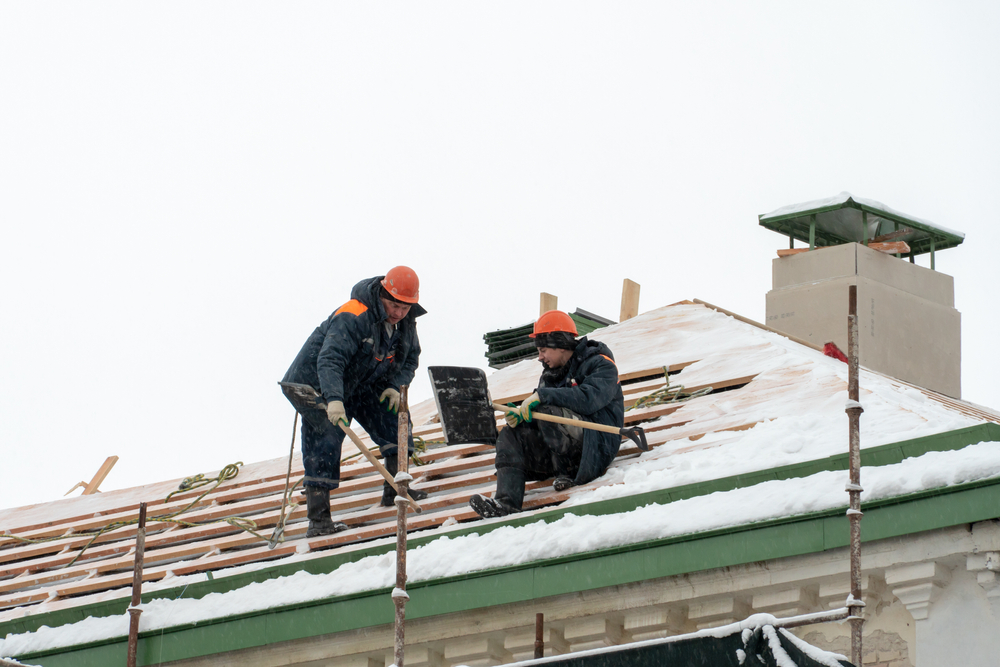
Winter roof repair in Delaware County & Chester County, PA is a critical service during harsh southeastern Pennsylvania winters. Snow accumulation, ice dams, freezing rain, and strong winds regularly damage shingles, flashing, gutters, and roof decking, putting homes at risk of leaks and structural issues.
What to Do When Snow, Ice, or Severe Weather Damages Your Roof
If you live in Ardmore, Media, Newtown Square, Broomall, or surrounding areas, understanding how winter weather affects your roof and knowing what actions to take immediately can prevent costly structural damage and interior leaks.
This complete guide explains how to identify winter roof damage, what steps to take during an emergency, when repairs cannot wait, and how local homeowners can protect their roofs throughout the winter season.
Why Winter Roof Damage Is Common in Delaware & Chester County
Homes across Delaware County and Chester County experience repeated freeze and thaw cycles throughout winter. Snow melts during daytime hours, then refreezes at night. This constant expansion and contraction allows moisture to penetrate beneath shingles and flashing.
Many homes in Ardmore and nearby towns also feature older roofing systems, aging underlayment, and limited attic insulation. These factors increase vulnerability to leaks, ice dams, and structural stress during winter storms.
Working with a local contractor familiar with roof repair services in Delaware County and Chester County ensures these regional risks are properly addressed.
Why Winter Roof Damage Is More Severe in Delaware & Chester County
Homeowners in Delaware County and Chester County face unique winter roofing challenges due to frequent freeze-thaw cycles common across southeastern Pennsylvania. Daytime snowmelt followed by nighttime freezing allows water to seep beneath shingles, expand, and worsen existing weaknesses in the roofing system.
Many homes in Ardmore, Media, Newtown Square, and West Chester also feature older roof decking and aging flashing materials, which are more susceptible to cracking during cold weather. These conditions significantly increase the risk of winter leaks, ice dam formation, and structural stress.
Working with a local contractor experienced in roof repair services in Delaware County and Chester County ensures these regional factors are properly addressed before minor winter damage escalates into costly repairs.
One can visit our Facebook and Instagram pages for learning more insights and tips.
Common Types of Winter Roof Damage to Watch For
Missing or Damaged Shingles:
Heavy winds, snow, and ice accumulation can loosen or tear shingles. Missing shingles expose the underlayment, which creates direct entry points for water. This can lead to interior leaks and further damage.
What to Do: Regularly check shingles after snowstorms and wind events. Promptly replace any damaged shingles before they create larger leaks.
Actionable Tip: Consider professional roof inspections to identify hidden damage caused by the freeze-thaw cycle.
Ice Dams Along Roof Edges:
Ice dams form when heat escapes from the attic, melting snow that refreezes at the edges of the roof, trapping water beneath shingles.
How Ice Dams Form: Heat escaping from the attic melts snow, and when it reaches the colder roof edges, it refreezes. This trapped water seeps under shingles and can cause leaks inside the home.
Prevention: Ensure your attic is properly insulated and ventilated to prevent warm air from escaping. Heat cables installed along the roof edge can also help to melt ice before it causes damage
Sagging Rooflines:
Excess weight from snow and ice can strain roof framing. If the weight becomes too much, it can lead to structural weakness and even a roof collapse.
What to Do: If your roofline appears sagging, it could be a sign of compromised decking or structural damage. Call a professional roofing contractor immediately to evaluate the damage.
Actionable Tip: Snow removal can help reduce the risk of roofline sagging, especially on flat roofs.
Interior Water Stains or Leaks:
Interior water stains on ceilings and walls are a clear sign of roof leaks.
What to Do: Track the source of the water damage by checking areas like chimneys, vents, and skylights, which are prone to leaks. Call for an emergency inspection if the damage persists.
Pro Tip: Hidden roof leaks caused by ice dams or condensation often go unnoticed. Early detection through attic checks and moisture detection can prevent severe damage
Not all winter roof leaks are obvious.
- Snow acts as a moisture reservoir
- Ice dams trap water against shingles
- Cold temperatures slow visible dripping
- Short daylight limits roof inspections
As a result, leaks can continue for weeks or months before homeowners realize there’s a problem.
- Musty odors in upper floors or closets
- Peeling paint or bubbling drywall
- Discoloration around ceilings or windows
- Increased indoor humidity during cold weather
Attic Clues That Point to Winter Roof Damage
- The attic is often where winter roof damage shows first.
- Damp or compressed insulation
- Darkened wood sheathing
- Frost on nails or rafters
- Mold growth near roof penetrations
Exterior Areas Where Winter Leaks Start
- Flashing around chimneys and vents
- Roof valleys where snow collects
- Eaves prone to ice dam formation
- Skylight perimeters
Snow and ice hide damage, which is why winter DIY inspections often fail.
How Ice Dams Form and Why Attic Insulation Matters
Ice dams are one of the most damaging winter roofing issues for Pennsylvania homeowners. They typically form when heat escapes through the attic, melting snow on the roof. As the melted snow reaches colder roof edges, it refreezes, creating a barrier that traps water beneath shingles.
Poor attic insulation and inadequate ventilation are common contributors, especially in older homes throughout Delaware County neighborhoods. Over time, trapped moisture can leak into ceilings, walls, and insulation, leading to mold growth and interior damage.
A professional roof inspection combined with proper ventilation solutions can significantly reduce ice dam risks
Sagging Rooflines
Excess snow and ice weight can stress roof framing. Sagging may indicate structural weakness or moisture-compromised decking and requires immediate attention.
Interior Water Stains or Leaks
Brown stains, peeling paint, or bubbling drywall often signal roof leaks. Water can travel far from the original entry point, making professional inspection essential.
If any of these signs appear, contacting a contractor for emergency roof repair services is critical.
7 Proven Ways to Prevent Winter Roof Damage
1. Keep Gutters and Downspouts Clean
Clogged gutters trap water at the roof edge, increasing ice dam formation and water backup.
Clear gutters before winter and monitor them throughout the season.
2. Insulate and Ventilate Your Attic
Proper attic insulation and ventilation keep attic temperatures consistent and prevent condensation, ice dams, and mold.
Balanced intake and exhaust ventilation is critical for winter roof performance.
3. Remove Accumulated Snow
Excess snow can:
- Increase structural stress
- Melt and refreeze into ice dams
- Penetrate weak roof areas
Snow removal should always be handled by professionals—never climb onto an icy roof.
4. Check Shingles After Storms
Snowstorms can crack, deform, or dislodge shingles.
Early detection allows for targeted repairs before leaks develop.
5. Trim Overhanging Branches
Branches can scrape shingles, block drainage, and fall during storms.
Trimming trees reduces impact damage and debris buildup.
6. Fix Openings and Loose Components
Small gaps, loose flashing, and worn sealants worsen quickly in winter.
Addressing minor issues before winter prevents emergency repairs later.
7. Install Heat Cables (When Appropriate)
Heat cables installed along roof edges help prevent refreezing and ice dam formation.
They work best as part of a broader insulation and ventilation strategy.
What to Do Immediately After Winter Roof Damage
Contact a Local Roofing Contractor
Choose a licensed and insured contractor with experience handling winter roof emergencies in Ardmore and surrounding counties. Local expertise ensures faster response times and code-compliant repairs.
Explore our Emergency Roof Repair Services for immediate assistance.
Prevent Further Damage
Professional tarping or temporary sealing helps prevent ongoing water intrusion while permanent repairs are planned.
Clear Gutters and Drainage Areas
Blocked gutters increase ice dam formation and water backup. Clearing snow from walkways and downspouts reduces roof stress.
Schedule a Full Roof Inspection
After temporary stabilization, a complete inspection identifies hidden damage, insulation issues, and long-term repair needs.
What Homeowners Should Never Do After Winter Roof Damage
Winter roof damage can be dangerous to address without professional help. Homeowners should never climb onto an icy or snow-covered roof, as slips and falls are one of the leading causes of winter injuries.
Avoid chipping away ice with sharp tools, which can damage shingles, flashing, and underlayment. Temporary fixes like caulking or sealants may worsen the issue by trapping moisture beneath the roof surface.
If you notice leaks, sagging areas, or missing shingles, the safest approach is to contact a professional offering emergency roof repair services in Ardmore and the surrounding areas to prevent further damage.
Roof Repairs That Cannot Be Ignored in Winter
Some roofing problems should never be delayed, regardless of the season.
- Active roof leaks
- Missing shingles or exposed underlayment
- Hail or wind damage
- Sagging roof sections
- Mold growth caused by trapped moisture
- Granules accumulating in gutters
Delaying these repairs often leads to higher costs and interior damage. Learn more about long-term prevention in our Roof Maintenance Services guide.
Temporary vs Permanent Winter Roof Repairs
Not all roof repairs can be permanently completed during winter, but that does not mean solutions are unavailable. Emergency winter roof repairs focus on stabilizing the structure, stopping active leaks, and preventing further water intrusion.
Temporary solutions such as professional tarping and flashing reinforcement are designed to withstand winter conditions until permanent repairs or replacement can be safely scheduled. Experienced contractors understand which materials and methods perform reliably in cold temperatures.
Learn more about long-term solutions through our roof repair services.
Does Homeowners Insurance Cover Winter Roof Damage in Delaware County and Chester County, Pennsylvania?
Many homeowners in Delaware County and Chester County wonder whether winter roof damage is covered by insurance. In most cases, damage caused by snow, ice, wind, or winter storms may be covered if it results from a sudden and accidental event.
Insurance typically does not cover damage caused by neglect or lack of maintenance. Documenting damage immediately with photos and notes is critical when filing a claim. A local roofing contractor can assist by providing inspection reports and repair documentation to support the claims process.
If you are unsure about coverage, scheduling a professional evaluation through our roof inspection services can help clarify the next steps.
Preventing Future Winter Roof Damage
Improve Attic Insulation and Ventilation
Proper insulation reduces heat loss that causes ice dams.
Schedule Regular Roof Inspections
Inspections before and during winter help catch small problems early.
Maintain Gutters and Downspouts
Clear drainage prevents ice buildup and water backup.
Use Weather-Resistant Roofing Materials
Durable shingles and underlayment perform better during freeze-thaw cycles. Learn more through our roof installation and replacement services.
Roof Types Common in Delaware & Chester County and Their Winter Performance
Homes throughout Delaware County and Chester County feature a variety of roof types, each reacting differently to winter weather. Asphalt shingle roofs are common in suburban neighborhoods and may suffer from granule loss and cracking during freeze-thaw cycles.
Flat and low-slope roofs, often found on older properties, are more prone to ponding water and ice buildup. Slate roofs in historic areas require specialized care, as freeze damage can cause flaking or delamination.
Trusted Winter Roof Repair Experts in Delaware & Chester County
For over 45 years, Hynes Roofing and Siding has helped homeowners across Delaware County and Chester County protect their homes from winter damage.
We provide:
- Emergency roof repair
- Leak detection and repair
- Storm damage restoration
- Full roof replacement
- Licensed and insured local crews
Get Emergency Winter Roof Repair Today
If your roof has been damaged by snow, ice, or winter storms, do not wait. Prompt action prevents costly repairs and protects your home.
Call Hynes Roofing and Siding today or visit our Contact Page to schedule a professional roof inspection and emergency service.
Frequently Asked Questions
1. Can snow removal from my roof prevent winter damage, and should homeowners do it themselves?
Snow removal can help reduce excess weight on the roof and lower the risk of ice dams, but homeowners should never attempt to remove snow themselves due to slip and fall hazards. In Delaware County and Chester County, professional roofing contractors can safely remove snow using specialized tools that do not damage shingles or flashing. Improper snow removal can actually cause more harm than good if done incorrectly.
2. How cold is too cold for winter roof repairs in Pennsylvania?
Many emergency roof repairs can still be performed in cold weather, even when temperatures are below freezing. However, certain permanent roofing materials require minimum temperature thresholds to install properly. In southeastern Pennsylvania, experienced contractors use winter-rated materials and techniques to stabilize roofs safely until full repairs or replacement can be completed once conditions improve.
3. Will a temporary winter roof repair hold up until spring?
Yes, when done professionally. Temporary winter roof repairs, such as tarping, flashing reinforcement, and leak containment, are designed to withstand snow, wind, and freezing temperatures for several months. For homeowners in Ardmore, Media, Newtown Square, and nearby areas, these solutions are often the safest and most practical way to prevent further damage until permanent repairs can be scheduled.
4. Can winter roof damage affect my home’s insulation and energy bills?
Absolutely. Winter roof leaks often soak attic insulation, significantly reducing its effectiveness. Wet or compressed insulation allows heat to escape, increasing heating costs and accelerating ice dam formation. Many homeowners in Delaware and Chester County notice higher energy bills after winter roof damage, making prompt inspection and repair essential.
5. How quickly should I act after noticing winter roof damage?
Immediately. Even small leaks or missing shingles can worsen rapidly during freeze-thaw cycles common in southeastern Pennsylvania. Waiting just a few days can lead to interior water damage, mold growth, and structural issues. Homeowners should contact a local emergency roof repair contractor as soon as damage is suspected to limit repair costs and protect the home.

(President, Hynes Roofing and Siding)
With over 35 years experience in the roofing and siding industry, Michelle Hynes has built a business from 2 people into over 45 people and 19 trucks!