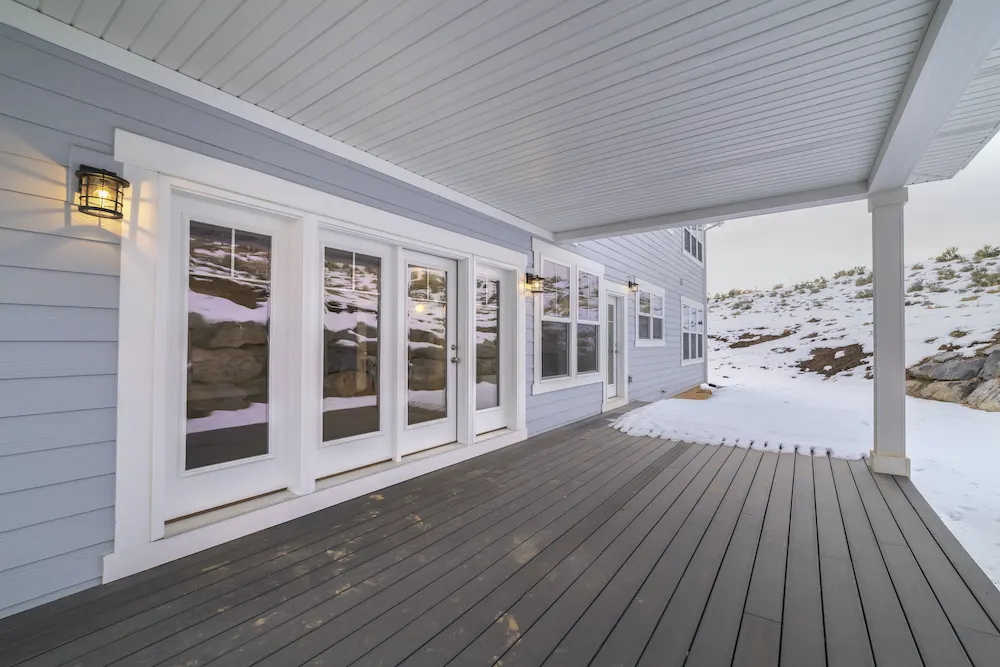
Winter might seem like an odd time to start an outdoor project like building a deck, but it could be the perfect time to bring your dream deck to life. While summer is peak deck building season, braving the cold has some surprising advantages. In fact, the colder months often provide the best conditions for building, with less rainfall and firmer ground for construction. Let’s explore the pros and cons of building a deck in cold weather and help you decide if it’s the right choice for you.
Can You Build a Deck in the Winter?
Yes, you absolutely can!
Modern building materials and techniques make it possible to construct a deck even when temperatures drop.
Here’s why winter might be the ideal time to build your deck:
Pros of Winter Deck Building
- Reduced Costs: Contractors often have more availability in the winter and may offer lower rates to keep their crews busy. You might also find discounts on materials during the off-season.
- Increased Contractor Availability: Since summer is peak season, scheduling your deck project during those months can mean long waits. In the winter, contractors have more openings and can dedicate more time and attention to your project.
- Less Disruption to Landscaping: Frozen ground is less susceptible to damage from construction equipment and foot traffic. Plus, with plants dormant, there’s less risk of harming your landscaping.
- Ideal Conditions for Wood: Cold, dry air helps prevent wood from warping or cracking during installation. It also creates optimal conditions for staining, resulting in a more even and durable finish.
- Optimal Curing Conditions: Winter provides the perfect environment for pressure-treated lumber to dry completely, ensuring a strong and stable foundation for your deck.
- Faster Permitting: With fewer construction projects happening in the winter, you may be able to obtain permits more quickly.
- More Conducive to Installation: The ground is generally harder and less moist in the winter, which can be beneficial for certain aspects of deck construction. For example, wood settles better in cold, hard ground, reducing the chances of shifting or movement after installation.
Cons of Winter Deck Building
- Weather Delays: Snow and ice can cause delays and potentially extend the project timeline.
- Working in Cold Temperatures: While contractors are used to working outdoors, extreme cold can make the job uncomfortable and potentially impact productivity.
- Frozen Materials and Ground: Frozen lumber and ground can slow down the construction process and potentially affect the quality of the finished product. It can also make tasks like grading more difficult.
- Concrete Curing: Cold temperatures can affect the curing process of concrete. Contractors may need to use heating blankets or other methods to ensure proper curing.
- Material Availability: While some materials may be readily available, others might be in shorter supply during the winter months.
Best Time of Year to Build a Deck in Different Regions of the US
The ideal time to build a deck can vary depending on your location and the typical climate in your region. Here’s a general overview:
| Region | Best Time to Build | Reasons |
|---|---|---|
| Northeast | Fall or early winter | Mild temperatures, less rain, contractor availability |
| Northwest | Summer or early fall | Warm, dry weather, less rain |
| Southeast | Winter | Mild temperatures, less rainfall |
| Southwest | Winter | Comfortable temperatures, less extreme weather |
| Midwest | Early fall or late winter/early spring | Avoids extreme summer heat and harsh winters |
Best Decking Materials for Cold Weather Installation
Choosing the right decking material is crucial for a long-lasting and durable deck, especially in cold climates. Here are some top options:
- Composite Decking: Composite decking is engineered to withstand moisture, temperature fluctuations, and UV exposure, making it an excellent choice for cold weather. It’s also low-maintenance and resistant to rot and decay. However, it’s important to note that composite and PVC decking can expand and contract with temperature changes, so this should be considered during installation, especially in regions with significant temperature swings.
- Pressure-Treated Wood: Pressure-treated wood is a more affordable option that can hold up well in cold weather, especially if properly sealed to prevent moisture absorption. Certain types of wood are particularly well-suited for cold climates, such as Western Red Cedar, known for its durability and resistance to rot, and Black Label™ Decking, which is specifically designed to withstand freezing temperatures.
Key Insight: Composite vs. Pressure-Treated Wood
| Feature | Composite Decking | Pressure-Treated Wood |
|---|---|---|
| Maintenance | Low-maintenance, no need for sanding or sealing | Requires regular sealing and occasional sanding |
| Budget | Higher upfront cost | Lower initial cost, but higher maintenance costs over time |
| Durability | Highly resistant to moisture, rot, and decay | Can be susceptible to moisture damage if not properly sealed |
PVC Decking: PVC decking is another excellent choice for cold climates. It’s highly resistant to moisture, mold, and mildew, and it won’t rot or splinter.
Cost of Building a Deck in Cold Weather
Building a deck in the winter can potentially save you money. The average cost to build a deck ranges from $4,100 to $11,650, but you might find lower prices during the off-season.
Here are some factors that can influence the cost:
- Deck Size: Larger decks require more materials and labor, increasing the overall cost.
- Materials: The type of decking material you choose significantly impacts the cost. Pressure-treated wood is generally the most affordable, while composite and PVC decking are more expensive.
- Design Complexity: Intricate designs with multiple levels, curves, or built-in features will cost more.
- Labor Costs: Labor costs can vary depending on your location and the complexity of the project.
How to Find a Qualified Deck Builder
Finding a qualified and reliable deck builder is essential for a successful project. Here are some tips:
- Ask for Referrals: Talk to friends, family, and neighbours who have recently built decks.
- Check Online Reviews: Websites like Angie’s List and Decks.com provide ratings and reviews from past customers.
- Look for Experience: Choose a contractor with a proven track record of building high-quality decks.
- Verify Credentials: Ensure the contractor is licensed and insured.
- Get Multiple Quotes: Compare quotes from several contractors to get an idea of pricing and services offered.
- Ask About Warranties: Inquire about warranties on both labor and materials.
Key Insight: Balancing Online Research and Referrals
While online reviews can be helpful, it’s important to balance them with personal referrals. Talking to people who have firsthand experience with a contractor can provide valuable insights that you might not find online.
Tips for Building a Deck in Cold Weather
Here are some additional tips to keep in mind if you’re planning to build a deck in cold weather:
- Protect the Ground: Cover the ground with frost blankets and hay to help with frost recession and prevent the ground from freezing too deeply.
- Use Heated Concrete Blankets: If pouring concrete, use heated blankets to ensure proper curing in cold temperatures.
- Store Materials Properly: Keep building materials dry and protected from the elements to prevent damage.
- Plan for Delays: Be prepared for potential weather delays and factor them into your project timeline.
- Communicate with Your Contractor: Stay in close communication with your contractor throughout the project to address any challenges that may arise.
Conclusion: Is Building a Deck in Cold Weather a Good Idea?
Building a deck in cold weather can be a smart choice for homeowners who want to save money, have their deck ready for warmer weather, and minimize disruption to their landscaping.
While there are some challenges to consider, such as potential weather delays and working in cold temperatures, the benefits often outweigh the drawbacks. By choosing the right materials and a qualified contractor, you can create a beautiful and durable deck that you’ll enjoy for years to come.
Ultimately, the best time to build a deck depends on individual circumstances, regional climate, and project-specific factors. Carefully weigh the pros and cons, consider your priorities, and consult with local contractors to make an informed decision that aligns with your needs and budget.

(President, Hynes Roofing and Siding)
With over 35 years experience in the roofing and siding industry, Michelle Hynes has built a business from 2 people into over 45 people and 19 trucks!