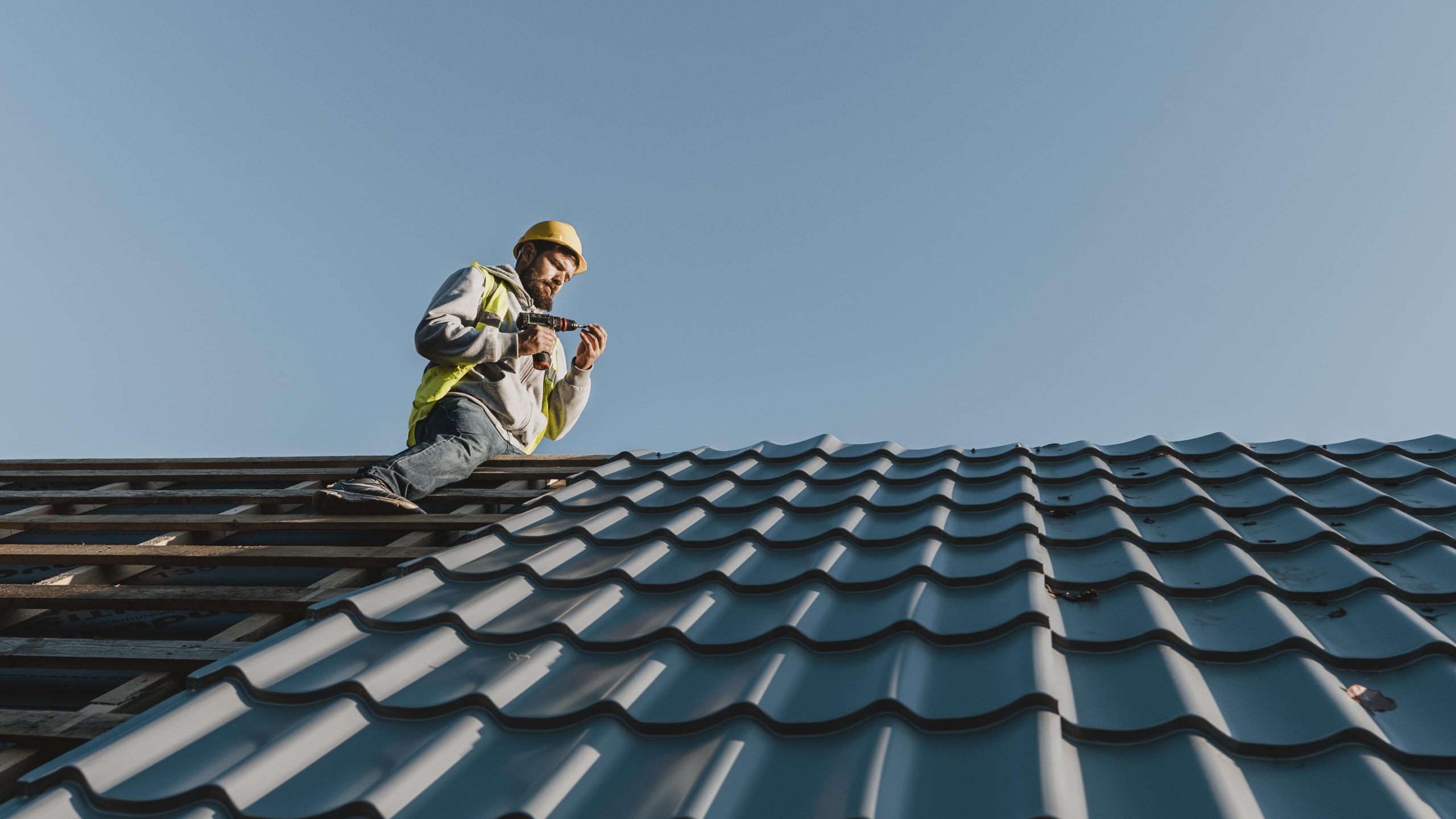
If you are searching for roof repair in Delaware County, PA, it’s usually because something urgent can’t wait for leaks after heavy rain, missing shingles, or sudden storm damage. Homes across Delaware County face year-round roofing stress from strong winds, winter freeze-thaw cycles, and intense summer storms, making timely professional roof repair essential to prevent structural damage and costly interior repairs.
This guide explains why roof repairs commonly fail after winter freeze-thaw, how to recognize the warning signs, and when replacement becomes the safer and more cost-effective option for homes in southeastern Pennsylvania.
What Is Freeze-Thaw Damage and Why Is It So Destructive
Freeze-thaw damage occurs when water penetrates small openings in your roofing system, freezes overnight, expands, and then thaws again during the day. This cycle repeats dozens, sometimes hundreds, of times each winter.
In areas like Ardmore, Newtown Square, Radnor, Havertown, and West Chester, winter temperatures frequently fluctuate above and below freezing. These conditions are ideal for freeze-thaw damage.
Over time, this process:
- Widens micro-cracks in shingles and flashing
- Separates roofing layers from the decking
- Weakens nail fasteners
- Breaks down sealants and adhesives
- Allows moisture to travel beyond the original entry point
What starts as a minor issue in December can become a structural problem by March.
Why Roof Repairs Often Fail After Winter
Many homeowners schedule roof repairs in fall or early winter, yet leaks reappear soon after the season ends. This is not always due to poor workmanship. Freeze-thaw conditions create failure patterns that repairs alone cannot always overcome.
1. Water Migration Beyond the Repair Area
During winter, water does not stay localized. Freeze-thaw pressure pushes moisture sideways and upward under shingles, often reaching areas far from the visible damage.
A repair may fix the obvious entry point, but moisture trapped beneath the surface continues to expand and contract, reopening pathways elsewhere.
2. Compromised Underlayment and Decking
Once water penetrates below the shingles:
- Underlayment loses its waterproofing ability
- Roof decking begins to soften or rot
- Nails loosen, reducing shingle holding power
At this stage, surface repairs no longer address the real problem.
3. Sealant and Flashing Breakdown
Cold temperatures cause sealants to harden and lose flexibility. Flashing around chimneys, skylights, and roof valleys is especially vulnerable.
Even if flashing is resealed in winter, freeze-thaw movement often breaks those seals again before spring.
Common Signs That Winter Damage Has Passed the “Repair Point”
Homeowners in Delaware and Chester County often assume a recurring leak simply needs another repair. However, certain warning signs indicate that repairs are no longer a long-term solution.
Interior Warning Signs
- Water stains expanding across ceilings or walls
- Damp insulation or musty attic odors
- Mold growth near roof penetrations
- Dripping during snowmelt rather than rainfall
Exterior Warning Signs
- Shingles lifting or failing to reseal in warm weather
- Soft or spongy roof decking underfoot
- Ice dam damage along the roof edges
- Granule loss exposes the asphalt base layers
When multiple signs appear after winter, replacement should be seriously considered.
Why Delaware & Chester County Homes Are Especially Vulnerable
Homes in southeastern Pennsylvania face a unique combination of risk factors:
- Older housing stock with layered roofing systems
- Historic homes with complex rooflines
- Heavy tree coverage leading to debris buildup
- Frequent freeze-thaw temperature swings
- High winter moisture levels
Many roofs in Delaware County were installed decades ago using materials and ventilation standards that are no longer optimal for today’s climate conditions.
Temporary Repairs vs Structural Reality
In some cases, emergency winter repairs are necessary to prevent interior damage. However, homeowners should understand their limitations.
Temporary repairs can:
- Stop active leaks
- Protect interiors during winter
- Buy time for planning
They cannot:
- Reverse decking damage
- Restore compromised underlayment
- Extend the lifespan of an aging roof system
By spring, a professional evaluation is essential to determine whether continued repairs are financially responsible.
Spring Inspections Reveal the True Cost of Winter Damage
Late winter and early spring inspections often uncover:
- Hidden decking rot
- Moisture-saturated insulation
- Structural sagging masked by snow load
- Fastener failure across large sections
At this point, repeated repairs often become more expensive than replacement, especially when damage is widespread but not immediately visible.
This is where homeowners must weigh short-term repair costs against long-term roof performance.
Related pillar guide: Roof Replacement vs Roof Repair: 5 Factors to Consider Before You Decide
When Replacement Becomes the Safer Choice
Roof replacement is often recommended after freeze-thaw damage when:
- The roof is over 15–20 years old
- Repairs have been made multiple times in recent years
- Moisture damage is present beneath the surface
- Ice dams have caused edge and decking failure
- Leaks return after previous repairs
In these cases, replacement provides:
- A fully sealed roofing system
- Modern underlayment protection
- Improved ventilation
Better resistance to future freeze-thaw cycles
How Delaying Action Increases Replacement Costs
One of the most costly mistakes homeowners make is waiting too long after winter damage becomes apparent.
Delays can lead to:
- Expanded decking replacement
- Mold remediation
- Interior ceiling and insulation repairs
- Increased labor complexity
- Insurance claim complications
What could have been a controlled replacement in early spring often becomes a larger, more expensive project by summer.
What Homeowners Should Do After Winter Ends
If your home experienced leaks, ice dams, or repairs during winter:
- Schedule a professional spring inspection
- Ask for attic and decking evaluation, not just surface checks
- Review repair history honestly
- Discuss both repair and replacement scenarios
- Plan ahead before storm season returns
Working with experienced local roofers who understand Delaware and Chester County weather patterns is critical for accurate recommendations.
Final Thoughts: Repairs Don’t Always Mean Protection
Roof repairs are valuable, but after winter freeze-thaw damage, they are not always enough. Understanding when repairs fail helps homeowners avoid sinking money into temporary fixes and instead invest in solutions that protect their homes long-term.
If you are unsure whether your winter roof damage is repairable or a sign of deeper failure, a professional evaluation can provide clarity.
Frequently Asked Questions
1. Why does my roof start leaking after winter, even though it was repaired last year?
Freeze-thaw cycles allow water to travel beneath shingles and flashing during winter, often beyond the original repair area. When temperatures rise, trapped moisture expands existing weaknesses or creates new ones, causing leaks to reappear in spring. This is common in Delaware and Chester County homes where temperatures regularly move above and below freezing.
2. Can freeze-thaw damage affect parts of the roof that were never leaking before?
Yes. Freeze-thaw pressure can push moisture sideways under shingles and into previously unaffected areas. Homeowners often notice new leaks in different rooms because the water entry point and the visible damage location are rarely the same after winter expansion and contraction.
3. How can I tell if winter damage requires replacement instead of another repair?
If your roof has recurring leaks, soft decking, attic moisture, or widespread shingle lifting after winter, repairs may no longer be effective. Homes in Delaware and Chester County with older roofs or prior repair history are especially prone to hidden structural damage that only replacement can properly resolve.
For daily tips and real project updates, follow Hynes Construction on Facebook and Instagram
4. Are ice dams considered freeze-thaw damage, and can they cause long-term roof problems?
Yes. Ice dams are a direct result of freeze-thaw conditions and can force melting water under shingles and into the roof structure. Repeated ice dam formation often leads to decking rot, insulation damage, and flashing failure, making long-term repairs unreliable without addressing the full roofing system.
5. Should I wait until the next leak appears before deciding on replacement?
Waiting often increases overall costs. Freeze-thaw damage worsens over time, especially once moisture has entered the roof system. Early spring inspections allow homeowners to plan proactively, avoid emergency repairs, and reduce the risk of extensive structural or interior damage.

(President, Hynes Roofing and Siding)
With over 35 years experience in the roofing and siding industry, Michelle Hynes has built a business from 2 people into over 45 people and 19 trucks!