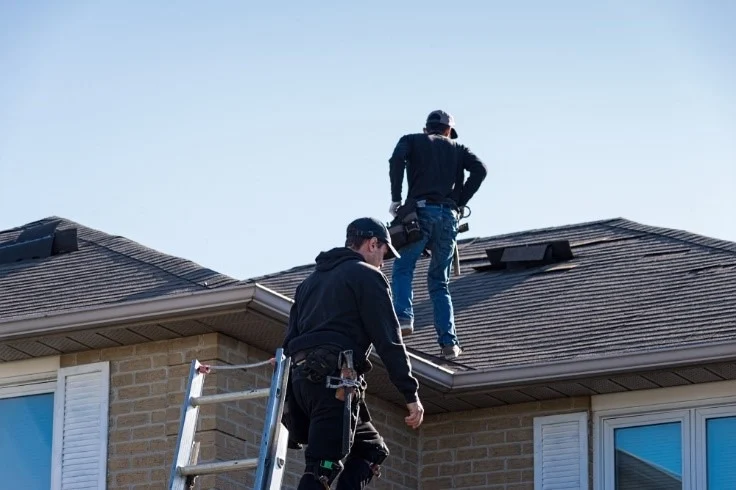
Spring is the ideal time for a Spring Roof Inspection Main Line homeowners should never overlook. After months of snow, freezing temperatures, and ice accumulation, roofs across Ardmore and surrounding Main Line communities often carry hidden damage that becomes visible only when spring storms arrive. A professional inspection helps identify weakened shingles, flashing problems, drainage issues, and moisture intrusion before heavy rain and severe weather cause expensive interior damage. For homeowners throughout the Main Line, scheduling a spring inspection is one of the most effective ways to protect the structural integrity of the home and avoid emergency roof repairs later in the season.
Your roof takes a beating during winter. Snow loads, freeze-thaw cycles, ice, wind, temperature swings, and moisture can all leave behind damage that may not be obvious from the ground. Then spring storms roll in with heavy rain, gusty winds, hail, and sudden weather shifts. A roof that made it through winter may still be vulnerable when storm season begins.
That is why scheduling a spring roof inspection is one of the smartest things a homeowner can do. For homes in Ardmore, Bryn Mawr, Haverford, Villanova, Wynnewood, and throughout the Main Line, a seasonal roof check can help uncover minor issues before they turn into interior leaks, insulation damage, mold concerns, wood rot, or emergency repairs.
At Hynes Construction, homeowners can access professional help for roofing, roof repair, roof installation and replacement, hail damage, emergency roof repair, gutters, and other exterior services that protect the home from seasonal weather.
Why Spring Is the Right Time for a Roof Inspection
Spring creates the ideal window to evaluate what winter left behind and prepare for the months ahead. In the Main Line, late winter and early spring often expose weaknesses in shingles, flashing, roof penetrations, gutters, downspouts, skylights, and attic ventilation. Once heavy spring rain and summer storms begin, those weak spots can turn into active leaks.
A spring inspection is valuable because it helps you:
- identify winter damage before it worsens
- catch loose or missing shingles early
- check flashing around chimneys, skylights, and vents
- find clogged or damaged gutters and drainage issues
- spot attic moisture or ventilation problems
- address storm vulnerabilities before severe weather hits
- plan repairs before the roofing season gets busier
The National Weather Service defines a severe thunderstorm as one that produces hail at least one inch in diameter, winds of 58 mph or stronger, or a tornado. Those conditions are more than enough to exploit hidden roofing weaknesses.
For Main Line homeowners, the lesson is simple. If winter weakened the roof, spring storms will test it.
How Winter Damage Hides in Plain Sight
One of the biggest reasons homeowners delay roof inspections is that the roof looks fine from the yard. Unfortunately, appearances can be misleading.
Winter damage often starts in subtle ways:
- shingle edges loosen
- seal strips weaken
- flashing separates slightly
- nails back out
- ice creates water entry points
- clogged gutters trap water along the roofline
- attic condensation builds where ventilation is poor
These issues may not create an obvious leak right away. Instead, they smolder beneath the surface until a strong spring storm pushes water into the home.
That is especially true for older homes in the Main Line, where architectural details, dormers, chimneys, aging flashing, and multiple roof intersections can create more opportunities for water intrusion. Homes in neighborhoods such as Ardmore, Lower Merion, Bryn Mawr, Gladwyne, Narberth, Haverford, and Villanova often benefit from a careful, detail-oriented inspection rather than a quick visual check.
If you have already noticed water stains, damp attic insulation, granules in gutters, or shingles that look curled or lifted, it may be time to schedule roof repair services before spring weather makes things worse.
What a Spring Roof Inspection Should Include
A proper spring roof inspection should go far beyond a glance at shingles. It should assess how the full roofing system performed during winter and how prepared it is for spring and summer weather.
Here are the most important areas to inspect.
1. Shingles and Surface Materials
Shingles are your first line of defense. After winter, inspectors should look for:
- missing shingles
- cracked shingles
- curled or cupped edges
- granule loss
- lifted tabs
- discoloration or moisture retention
- impact marks from hail or debris
If your home has asphalt roofing, shingle roofing options should be evaluated for both visible wear and hidden vulnerability. If you have a specialty roof, it also helps to review material-specific concerns such as metal roofing, tile roofing, or roof coatings.
2. Flashing and Roof Penetrations
Many leaks do not start in the open field of the roof. They begin where materials meet and transitions occur. Flashing around chimneys, skylights, pipes, valleys, dormers, and walls should be checked closely.
If the metal flashing has lifted, rusted, separated, or was improperly sealed in the past, spring rain can force water into the roof deck or wall cavity. This becomes even more important for homes that also need chimney repairs or attention to chimney caps and covers.
3. Gutters and Drainage
A healthy roof depends on proper drainage. If gutters are clogged, detached, sagging, or overflowing, roof water can back up under shingles or pool along the foundation.
Spring roof inspections should always include your gutter system, including:
- debris buildup
- standing water
- loose hangers
- seam separation
- downspout discharge points
- fascia damage
- signs of overflow staining
Homeowners looking for long term drainage performance may also want to consider gutter guards, gutter covers, or upgraded copper gutters.
4. Attic Ventilation and Moisture
Not all roofing issues begin outside. Some begin in the attic.
Poor attic airflow can trap moisture, contribute to condensation, and shorten the life of roofing materials. The U.S. Environmental Protection Agency notes that the key to mold control is moisture control, and the Department of Energy emphasizes that air sealing and insulation work best when unwanted air movement is reduced.
During a spring inspection, a contractor should look for:
- damp insulation
- signs of mold or mildew
- wood staining
- rusted fasteners
- inadequate ventilation pathways
- trapped humidity
- daylight through roof penetrations or decking gaps
If moisture is present, it is important to solve the source, not just the symptom.
5. Skylights, Windows, and Exterior Transitions
Roof related water intrusion does not always appear directly below the source. In many homes, water enters around skylights, trim, or wall intersections and shows up somewhere else entirely.
If your property has skylights, older windows, or deteriorating trim and siding, a spring roofing assessment should consider those adjoining elements too. Coordinated exterior care may involve siding services, fiber cement siding, vinyl siding, or even stucco remediation when water management problems extend beyond the roof itself.
Common Roof Problems Found Before Storm Season
Main Line homeowners often discover the same kinds of issues in spring. The most common include:
Loose or Missing Shingles
Even a few missing shingles can expose underlayment and decking to water infiltration. Wind driven rain during spring storms can turn a small opening into interior damage.
Hail Impact Damage
Hail can bruise shingles, dislodge granules, crack edges, and shorten roof life. The problem is that hail damage is not always easy for homeowners to identify from the ground. If your area saw recent storms, it may be worth scheduling a hail damage roof inspection.
Leaking Flashing Around Chimneys and Vents
These are classic weak points. Once sealants age or flashing loosens, leaks become far more likely.
Sagging or Overflowing Gutters
Overflowing gutters dump water where it does not belong, including behind siding, under soffits, and near foundations.
Early Signs of Roof Aging
A spring inspection helps determine whether a roof needs simple repairs, broader restoration, or full replacement. Homeowners comparing next steps can review roof options and discuss whether a repair or a full roof replacement makes the most sense.
A ceiling stain is often the late stage sign of a problem that started much earlier. Mold, wet insulation, attic air leaks, and framing damage may already be underway before a leak becomes visible.
Why Local Knowledge Matters in the Main Line
Roofs in the Main Line are not all the same. Local housing styles range from stone colonials and traditional single-family homes to twin homes, stucco-clad exteriors, townhomes, and historic properties with more complex rooflines.
That matters because inspection strategy should reflect:
- roof pitch and age
- existing materials
- nearby tree cover
- drainage layout
- chimney and dormer design
- attic conditions
- prior repairs
- local storm exposure
A contractor familiar with the region can better understand how spring weather, older architecture, and recurring drainage patterns affect homes in Ardmore, Wayne, Paoli, Conshohocken, Bala Cynwyd, Penn Valley, Penn Wynne, and throughout the areas Hynes Construction serves.
The Cost of Waiting Until a Storm Hits
Delaying a spring inspection may seem harmless if the roof is not actively leaking. But waiting has real risks.
A small roof issue can lead to:
- soaked attic insulation
- stained ceilings and walls
- mold and indoor air concerns
- damaged decking and framing
- ruined paint or drywall
- fascia and soffit deterioration
- compromised siding or trim
- emergency tarping and urgent repair costs
Emergency situations are not just more stressful. They are usually more disruptive and more expensive. If a storm has already caused immediate damage, homeowners can turn to emergency roof repair or explore support through insurance claims assistance.
FEMA notes that wind and flooding are among the most severe storm risks, while hail and lightning also cause damage during severe storms.
Spring Roof Inspections Also Protect the Rest of Your Exterior
Your roof does not operate in isolation. When it fails, other systems often suffer too.
A spring roof inspection can help protect:
- siding from overflow and splashback
- windows from water intrusion around trim
- doors and thresholds from drainage problems
- masonry from repeated saturation
- foundations from downspout discharge issues
- decks and porches from improper runoff
That is one reason many homeowners prefer to work with a contractor that offers broader exterior expertise. In addition to roofing services, Hynes Construction also provides doors, storm doors, patio doors, replacement windows, painting, exterior painting, and other exterior home improvement services.
When issues overlap, that kind of full exterior perspective is valuable.
What Homeowners Can Check Themselves Before Calling a Pro
A homeowner should never climb onto a roof without proper training and safety equipment. NOAA advises that the safest place during a thunderstorm is inside a large enclosed structure, which is another reminder to keep roof work professional and weather aware.
That said, you can still do a safe ground-level and interior check by looking for:
- shingles on the lawn after wind
- granules collecting near downspouts
- bent or detached gutters
- dark streaks or algae growth
- visible sagging sections
- peeling paint near rooflines
- water stains in attic or upper floor ceilings
- musty odors after rain
- damp insulation in the attic
- chimney flashing that looks separated
- daylight visible in attic spaces where it should not be
If you notice any of these, it is smart to schedule a professional evaluation.
Repair or Replacement: How to Know Which One You Need
Not every spring roof inspection ends in a replacement recommendation. In many cases, targeted repair is the right move. The key is understanding the condition of the entire roofing system, not just one isolated defect.
A repair may be enough if:
- The roof is relatively young
- Damage is limited to a small area
- shingles are mostly intact
- Flashing issues are localized
- The roof deck is still sound
A replacement may be the smarter investment if:
- The roof is nearing the end of its service life
- There is repeated leaking in multiple areas
- Storm damage is widespread
- Repairs have become frequent
- Ventilation and moisture problems are significant
- the existing system was poorly installed
Homeowners exploring material choices can review roofing options or compare services related to shingle roofing, metal roofing, and TPO roofing where applicable.
Why Hynes Construction Is a Strong Choice for Main Line Homeowners
When choosing a roofing company, homeowners want more than a quick patch job. They want a team that understands the local housing stock, communicates clearly, stands behind the work, and can evaluate the roof as part of the whole exterior envelope.
Hynes Construction offers homeowners access to:
- local service across the Main Line and Greater Philadelphia region
- expertise in roof repair and roof replacement
- storm-related support, including hail damage and insurance claims
- related exterior services, including gutters, siding, and chimney repairs
- homeowner resources such as warranties, financing options, gallery projects, video gallery, and certifications and affiliations
If you want to learn more about the company, visit the About Hynes Construction page or browse the latest tips in the Hynes Construction blog.
For readers who want additional related reading, these posts are especially relevant:
- Spring Roof Inspection Checklist: Essential Steps to Protect Your Home
- Spring Roof Inspection After Winter: The Complete Post-Winter Damage Assessment Guide for Homeowners
- Post-Winter Roof Repair Checklist for Delaware County Homes
- Why Roof Leaks Appear After Winter in Pennsylvania and How Ardmore Homeowners Can Fix Them Fast
- Storm Damage to Your Roof in Ardmore: Here Is What to Do Immediately
Smart Spring Roof Preparation Tips Before Storm Season
Beyond the inspection itself, here are a few smart steps homeowners can take to get ahead of spring weather:
Keep Gutters and Downspouts Clear
Water must be able to move off the roof quickly and away from the home.
Trim Overhanging Branches
Branches can scrape shingles, drop debris, and break during storms.
Check Attic Conditions After Heavy Rain
A quick attic look after a major spring rain can reveal hidden moisture before interior damage spreads.
Review Roof Age and Past Repairs
If your roof has already had multiple repairs, ask whether replacement may now be more cost effective.
Don’t Ignore Small Signs
A minor stain, drip, or gutter overflow is often the first warning, not the final stage.
Document Existing Condition
Photos and inspection notes can be helpful if future storm damage leads to an insurance claim.
Helpful External Resources for Homeowners
For added homeowner education, these official resources are useful:
- NOAA Severe Weather 101
- NOAA thunderstorm and hail preparedness information
- FEMA severe storm preparedness guidance
- EPA guidance on mold and moisture in the home
- U.S. Department of Energy air sealing guidance
Final Thoughts
A spring roof inspection is not just a maintenance item. It is a preventive strategy that helps Main Line homeowners avoid emergency calls, interior damage, and higher repair costs later in the year.
If your roof has been through another Pennsylvania winter, now is the time to find out how well it really held up. Whether the result is a minor repair, drainage improvement, flashing fix, or full replacement plan, taking action before storm season is almost always easier than reacting after a leak begins.
For homeowners in Ardmore and surrounding Main Line communities, Hynes Construction offers the experience and full-service exterior knowledge needed to evaluate the roof carefully and recommend practical next steps.
To schedule an inspection or speak with the team, visit the contact page or explore more about roofing services in Ardmore and the Main Line.
Frequently Asked Questions
How often should I schedule a roof inspection in the Main Line?
Most homeowners benefit from a professional roof inspection at least once a year, with spring being one of the best times to schedule it. It is also smart to get an inspection after major wind, hail, or heavy storm events.
Why is spring better than waiting until summer?
Spring lets you identify winter damage before severe thunderstorms, driving rain, and hot weather place more stress on the roof. It also gives you more time to schedule repairs before peak storm season.
What are the most common roof issues found in spring?
Common issues include missing shingles, lifted flashing, clogged gutters, hail bruising, attic moisture, small leaks, granule loss, and drainage problems around valleys and roof penetrations.
Can I inspect my roof myself?
You can do a safe visual check from the ground and inspect the attic interior, but walking on the roof is not recommended unless you have proper safety training and equipment. A professional inspection is the safest and most reliable option.
Does a roof inspection include gutters?
It should. Gutters play a major role in roof drainage and water management. A spring inspection should evaluate gutter performance, downspouts, and any signs of overflow or detachment.
What if my roof looks fine from outside?
That does not always mean it is problem free. Many roofing issues begin under shingles, around flashing, or in attic spaces. Spring inspections often uncover damage that homeowners would not notice from the yard.
Should I repair storm damage right away?
Yes. Even minor storm damage can allow water intrusion, which may spread quickly once more rain arrives. Prompt repairs can help prevent interior damage and larger restoration costs.
How do I know if I need roof repair or full replacement?
That depends on the age of the roof, extent of damage, frequency of past repairs, and overall condition of the roofing system. A professional inspection can help determine whether a targeted repair or full replacement is the better long-term choice.
Can roof issues affect siding or windows, too?
Absolutely. Poor drainage, failed flashing, and roof leaks can impact siding, trim, windows, skylights, masonry, and even foundation areas if water is not moving away from the home correctly.
Does Hynes Construction offer more than roofing?
Yes. In addition to roofing, Hynes Construction provides services for gutters, siding, stucco remediation, windows, doors, painting, chimney repairs, decks, and more, which is helpful when exterior issues overlap.
For more roofing tips, seasonal maintenance insights, and recent project updates, check our Facebook and Instagram profiles.

(President, Hynes Roofing and Siding)
With over 35 years experience in the roofing and siding industry, Michelle Hynes has built a business from 2 people into over 45 people and 19 trucks!