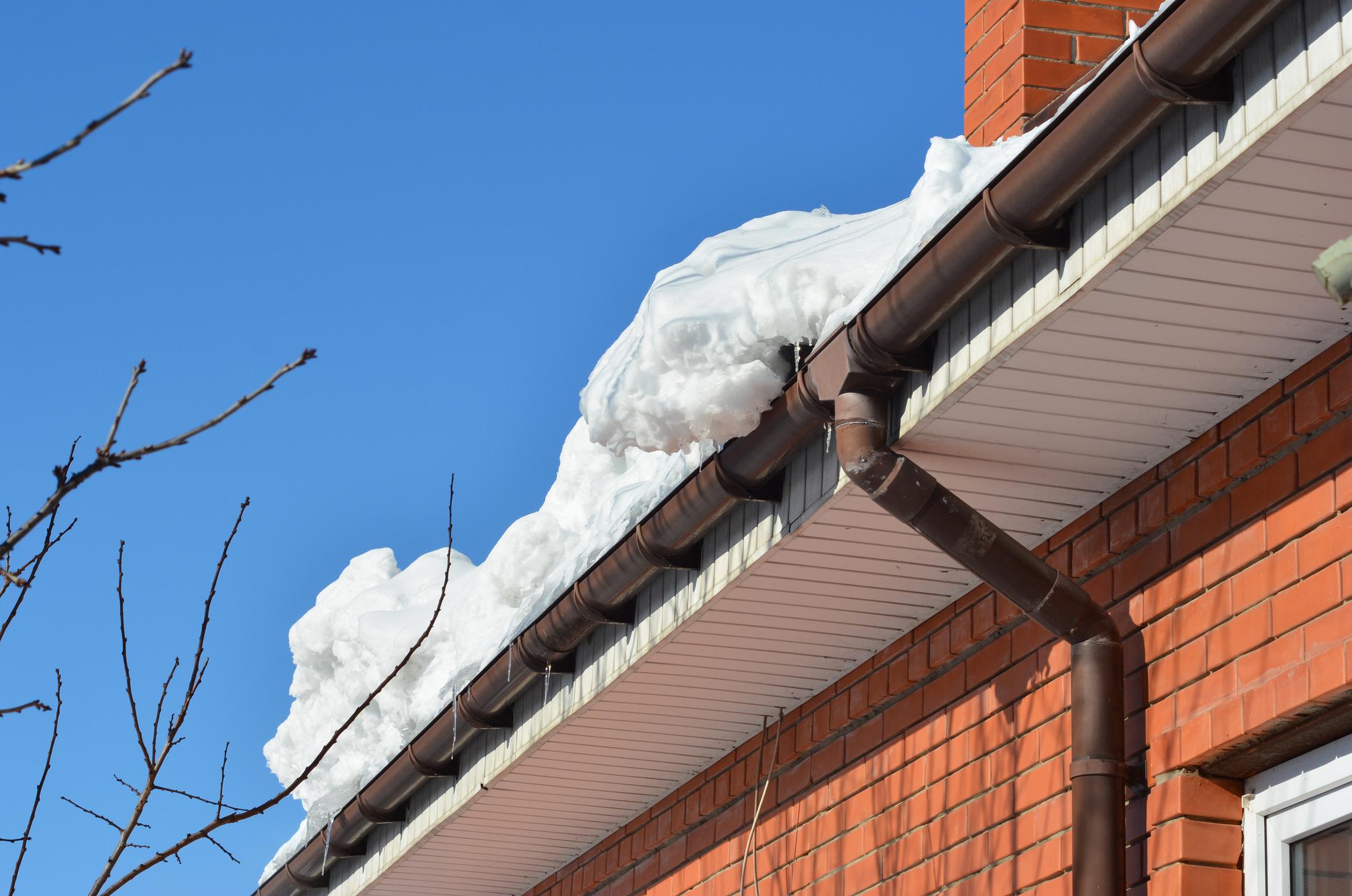
Winter can be rough on Pennsylvania roofs. In Ardmore and across the Main Line, snow, ice, wind, and repeated freeze and thaw cycles put roofing systems under stress for weeks at a time. The problem is that many homeowners do not notice the damage until late winter or early spring, when temperatures rise, and water finally finds its way indoors. If you are dealing with a roof leaking after snow melt, many homeowners start searching for roof leak repair Ardmore PA to stop the damage quickly.
If you have noticed a ceiling stain, damp attic insulation, peeling paint, or dripping water after a thaw, you are not alone. A roof leaking after snow melt is one of the most common cold-weather roofing issues in this region. What looks like a sudden leak in March is often the result of damage that began building up much earlier in the season.
For homeowners searching for roof leak repair in Ardmore, PA, the key is to act quickly. A small leak rarely stays small for long. Moisture can spread into decking, insulation, drywall, flashing areas, and even structural framing. Fast action helps protect your home, your budget, and your peace of mind.
In this guide, we will explain why roof leaks often show up after winter in Pennsylvania, what signs to watch for, and how Ardmore homeowners can fix the problem fast with help from a trusted roof repair contractor in Main Line, PA.
Why does winter cause roof leaks that appear later
A roof is built to handle the elements, but winter creates a unique combination of stressors. Snow loads, trapped moisture, ice buildup, and temperature swings all work together to expose weak spots.
Here are the biggest reasons leaks appear after winter.
1. Freeze and thaw cycles open small gaps
Pennsylvania winters rarely stay at one steady temperature. Instead, roofs go through repeated freezing nights and milder daytime temperatures. Water can seep into tiny cracks around shingles, flashing, fasteners, or roof penetrations. When that water freezes, it expands. As it thaws, the gap gets a little bigger.
Over time, these small openings allow more water in. By the time snow begins to melt, the damage is large enough for water to enter your home.
This is one reason homeowners should never ignore seasonal roof care. Hynes has covered the importance of post-winter roof attention in Spring Roof Inspection Checklist: Essential Steps to Protect Your Home and Common Roofing Mistakes Homemakers Make After Winter.
2. Ice dams force water under shingles
Ice dams are one of the leading causes of winter and early spring roof leaks. They form when heat escaping from the attic warms the roof deck, causing snow to melt. That melted water runs down to the colder roof edge and refreezes. As ice builds up, it blocks proper drainage.
When water has nowhere to go, it can back up beneath shingles and enter the home.
If your roof is leaking after snow melt, ice dams are often part of the story. For more on this issue, readers can also check out How to Prevent Winter Roof Damage From Ice Dams, 5 Best Ways to Get Rid of Ice Dams, and Ice Dams in Delaware County: Causes, Warning Signs, Fixes and Prevention.
3. Damaged shingles become entry points for water
Cold weather can make shingles brittle. Wind-driven winter storms may loosen, curl, crack, or completely remove them. Once shingles are compromised, melting snow and spring rain can slip beneath the roofing layer.
This type of damage is not always obvious from the ground. A roof can look fine from your driveway while still having lifted tabs, broken seal strips, or punctures near vulnerable sections.
Homeowners who want to understand roof material performance can also read Types of Asphalt Roofing Shingles: Which Ones Are Best for Winter and What to Look for in a Shingle Roof Installation: A Comprehensive Guide.
4. Flashing failures show up around roof penetrations
Many leaks are not caused by the main field of shingles. Instead, they begin where the roof meets something else, such as a chimney, skylight, vent pipe, dormer, or wall intersection. These areas rely on flashing and sealants to stay watertight.
Winter expansion and contraction can loosen flashing or crack old sealants. Once snow melts, water begins entering around those weak points.
For related issues, see What Is Chimney Flashing? Why It Is Important for Home Improvement, Skylight Leaks vs Roof Leaks: How to Tell the Difference Before the Cold Sets In, and Leaky Chimneys, Skylights, Vents: How to Handle the Most Overlooked Roofing Weak Points.
5. Gutters and downspouts can worsen the problem
Your roof does not work alone. Gutters and downspouts play a major role in moving water safely away from the home. If they are clogged with debris, frozen, or damaged, meltwater can back up along the roofline and fascia. That increases the chance of leaks along edges, soffits, and exterior walls.
Ardmore homeowners dealing with recurring winter moisture should also pay attention to their drainage system. Helpful related reading includes What Causes Gutters to Become Damaged, Why Gutter Guards Are Essential for Home Maintenance During Winter, and Do Your Downspouts Need Extending? Protecting Your Home From Ice Dams and Water Damage.
Common signs your roof is leaking after winter
Not every roof leak announces itself with a steady drip into a bucket. In many homes, the warning signs are subtle at first.
Watch for these red flags:
- Brown or yellow ceiling stains
- Damp spots on interior walls
- Peeling paint or bubbling drywall
- Musty odors in the attic or upper floors
- Wet insulation in the attic
- Mold or mildew near rooflines
- Drips around chimneys, skylights, or vent pipes
- Missing, cracked, or lifted shingles outside
- Icicles and past ice dam buildup along the eaves
- Granules collecting in gutters after winter storms
If you notice one or more of these issues, it is time to schedule emergency roof leak repair or at minimum a prompt professional inspection.
You can also review How to Spot Hidden Roof Leaks During the Winter Months in Ardmore and Top 5 Signs That You Need a Roof Repair ASAP.
Why fast roof leak repair matters
Many homeowners delay calling a contractor because the leak seems small or intermittent. That is a mistake. Water intrusion tends to spread quietly. What begins as a minor stain can lead to:
- Rotted roof decking
- Damaged attic insulation
- Mold growth
- Interior drywall damage
- Framing deterioration
- Electrical hazards near moisture intrusion
- More expensive repairs later
Fast action is especially important when you need roof leak repair Ardmore PA after a snow event or thaw. Local weather can shift quickly from freezing nights to rainy spring days, which keeps feeding the same vulnerable area.
If the leak is active, a professional can identify the source, stop further water entry, and recommend whether a targeted repair or larger restoration is needed.
What Ardmore homeowners should do when they notice a leak
If water is entering your home, do not panic. Take these steps right away.
Move and protect belongings
Remove furniture, rugs, electronics, and valuables from the affected area. Use a bucket or container to catch dripping water.
Relieve bulging ceilings carefully
If water has pooled behind drywall and created a bubble, it may need controlled drainage to prevent collapse. This should be done carefully to avoid injury or a larger mess.
Document the damage
Take photos of stains, drips, damaged materials, and any visible roofing problems. This can be helpful for repair planning and insurance documentation if storm damage is involved.
Avoid climbing onto the roof
A wet or partially icy roof is dangerous. Leave roof access to trained professionals.
Call for emergency service
If the leak is active or severe, contact a contractor who offers emergency roof leak repair. Temporary protection may be needed before a permanent repair can be completed.
Homeowners dealing with storm-related issues may also find value in Storm Damage to Your Roof in Ardmore? Here Is What to Do Immediately and Winter Emergency Roof Repair: What Pennsylvania Homeowners Should Do After Storm Damage.
How professionals fix roof leaks fast
The best roofing contractors do not just patch the visible symptom. They identify the true source of the leak and address the surrounding system.
A professional repair process usually includes:
Thorough inspection
The contractor checks shingles, flashing, vents, chimney areas, skylights, valleys, gutters, attic conditions, and signs of hidden moisture migration.
Moisture source identification
Water often travels before it appears indoors. A stain in one room may actually be caused by a roof issue several feet away. Proper diagnosis matters.
Temporary weatherproofing if needed
For urgent situations, tarping or temporary sealing may be used to stop immediate water intrusion.
Permanent repair
This may include replacing shingles, repairing flashing, resealing penetrations, correcting drainage issues, replacing damaged decking, or addressing ventilation problems that contribute to ice dams.
Follow-up recommendations
A good roof repair contractor, Main Line, PA, will explain whether the repair solved an isolated problem or whether broader roof aging is becoming a concern.
For homeowners weighing repair against replacement, Hynes has also published Roof Replacement vs Roof Repair: 5 Factors to Consider Before You Decide and Roof Replacement vs Roof Repair in Ardmore: Cost, Lifespan, Best Choice for Homeowners.
When a repair is enough and when you may need more
Not every post-winter leak means you need a full roof replacement. In many cases, a focused repair is the right solution, especially when the roof is otherwise in good condition, and the issue is limited to one area.
A repair may be enough if:
- The damage is localized
- The roof is relatively young
- Most shingles are still intact
- Flashing failure is isolated
- There is no widespread rot or sagging
A larger project may be needed if:
- Leaks are recurring in multiple areas
- Shingles are heavily worn or brittle
- The roof is near the end of its service life
- Decking or structural components are damaged
- Previous patchwork repairs are failing
That is why homeowners often start with a search for roof repair near me but benefit most from an honest inspection and clear explanation of options.
How to prevent roof leaks next winter
The best time to prevent next winter’s leak is now. Once winter ends, it is much easier to inspect, repair, and strengthen vulnerable roof areas.
Here are some smart preventive steps for Ardmore homeowners:
Schedule a spring roof inspection
A professional inspection can catch cracked shingles, flashing gaps, attic moisture issues, and drainage problems before the next cold season arrives.
Improve attic ventilation and insulation
Poor attic airflow and insulation contribute to uneven roof temperatures, which increase the risk of ice dams.
Keep gutters clean and functioning
Free-flowing gutters and properly extended downspouts help carry meltwater away from the roofline and foundation.
Address minor repairs early
Loose shingles, cracked flashing, and worn sealants are cheaper to fix before they become interior leaks.
Work with a trusted local contractor
A local expert understands Ardmore weather patterns, older housing stock, and the roofing challenges common across the Main Line.
For more seasonal guidance, see Preparing Your Roof for Winter: Essential Tips for Roof Maintenance, Roofing & Siding Maintenance Tips for Winter, and Late Summer Roofing Checklist: How to Spot Trouble Before Fall in Pennsylvania.
Why local experience matters in Ardmore and the Main Line
Roofing problems are local. The freeze and thaw patterns, snow events, storm exposure, and housing styles in Ardmore are different from what homeowners face in other parts of the country. That is why choosing an experienced local contractor matters.
A reliable roof repair contractor in Main Line, PA understands how Pennsylvania winters affect asphalt shingles, flashing details, ventilation systems, and drainage performance. They also understand the urgency that comes with active leaks and can recommend practical solutions based on real regional experience.
Homeowners looking for a trusted local team can explore Best Commercial and Residential Roofing in Ardmore PA, Benefits of Hiring a Local Roofing Contractors in Mainline Philadelphia, and Why Homeowners in Ardmore Trust Hynes Construction for Roofing, Stucco and Siding Projects.
Final thoughts
A roof leaking after snow melt is not just a seasonal inconvenience. It is usually a sign that winter exposed a weak point in your roofing system. Whether the cause is an ice dam, cracked flashing, brittle shingles, clogged gutters, or freeze and thaw damage, the sooner you address it, the better.
If you are searching for roof leak repair in Ardmore, PA, roof repair near me, or emergency roof leak repair, do not wait for the next rainstorm to make the problem worse. Fast, professional attention can stop the leak, protect your home, and help you avoid much larger repair costs later.
Hynes Construction proudly serves Ardmore and the surrounding Main Line communities with dependable roofing expertise and responsive service. To stay connected, follow Hynes on Facebook and Instagram.
Frequently Asked Questions
Why does my roof start leaking only after the snow begins to melt?
A roof often leaks after snow begins to melt because water is finally able to move into weak spots created during winter. Snow and ice can sit on the roof for days or weeks, but once temperatures rise, melting water can slip under damaged shingles, through cracked flashing, or behind ice dams. That is why many homeowners do not notice a leak until late winter or early spring.
Is a roof leak after winter always caused by ice dams?
No. Ice dams are a common cause, but they are not the only one. A post-winter roof leak can also come from cracked shingles, failed flashing, clogged gutters, worn sealants around vents, chimney issues, or freeze-and-thaw damage. In many cases, more than one problem is involved. A professional inspection is the best way to identify the real source.
How can I tell whether the leak is coming from the roof, chimney, or skylight?
It can be difficult to tell without a full inspection because water often travels before it becomes visible indoors. A stain near a chimney may actually come from flashing, masonry joints, or the roof slope above it. A skylight leak may be caused by failed seals, flashing issues, or surrounding roof damage. The location of the drip does not always match the true source, which is why leak tracing matters.
What should I do first if I notice water dripping from my ceiling?
Start by protecting the interior of your home. Move furniture and valuables out of the way, place a bucket under the drip, and take photos of the damage. If the ceiling is bulging, it may be holding trapped water and should be handled carefully. Do not climb onto the roof yourself, especially if the surfaces are wet or unstable. Call for emergency roof leak repair as soon as possible to stop further damage.
Can a small roof leak really cause major damage?
Yes. Even a small leak can lead to bigger problems if it is ignored. Water can soak insulation, stain ceilings, damage drywall, rot wood decking, encourage mold growth, and weaken structural components over time. What seems like a minor inconvenience today can turn into a much more expensive repair if moisture continues spreading behind the scenes.
How quickly should I schedule roof leak repair in Ardmore, PA?
You should schedule service as soon as you notice signs of a leak. Waiting increases the risk of interior damage and makes it harder to contain the problem, especially during late winter and early spring when Pennsylvania weather can shift quickly. Fast action is especially important if you see active dripping, ceiling bubbling, or repeated moisture after each thaw or rainstorm.
Will a roof leak stop on its own once winter ends?
Not usually. The leak may temporarily disappear when the roof dries out, but the underlying weakness remains. In fact, the same damaged area may leak again during spring rain or the next winter season. A pause in symptoms does not mean the problem is fixed. It usually means conditions are not currently forcing water through that opening.
Is it better to repair a roof leak or replace the whole roof?
That depends on the roof’s age, the extent of the damage, and whether the issue is isolated or widespread. If the leak is limited to one area and the rest of the roof is in good condition, a repair may be the most practical option. If the roof has recurring leaks, widespread shingle damage, aging materials, or rotted decking, replacement may offer better long-term value.
Why are Ardmore and Main Line homes especially vulnerable to post-winter roof leaks?
Homes in Ardmore and throughout the Main Line deal with a mix of snow, wind, freezing nights, thawing afternoons, and older housing stock. These conditions put repeated stress on roofing materials, flashing details, gutters, and attic ventilation systems. Older homes can be especially vulnerable if roof systems have been repaired multiple times over the years without addressing the full cause of moisture intrusion.
Can clogged gutters cause a roof leak after winter?
Yes. When gutters are clogged with leaves, ice, or debris, melting snow cannot drain properly. Water may back up along the roof edge and seep beneath shingles or behind fascia boards. Overflowing gutters can also send water down exterior walls and around the foundation. Clean, functional gutters are a key part of preventing roof leaks after winter.
What are the warning signs that I may need emergency roof leak repair?
You may need emergency roof leak repair if you have active dripping, water entering around light fixtures, sudden ceiling sagging, large wet spots spreading quickly, or visible storm damage such as missing shingles or fallen tree debris. These situations should not wait because water can rapidly affect insulation, drywall, framing, and electrical systems.
Can attic problems contribute to a roof leaking after snow melt?
Yes. Poor attic insulation and ventilation often play a major role in winter roof leaks. When warm air escapes into the attic, it can heat the roof deck unevenly, causing snow to melt in patches. That meltwater can refreeze near the edges and form ice dams. In many cases, fixing the leak properly also means addressing attic airflow and insulation performance.
How do roofers find the real source of a leak when water shows up far from the damage?
Experienced roofers inspect both the exterior and the attic because water often travels along rafters, decking, or insulation before it becomes visible. They look at shingles, flashing, penetrations, valleys, gutters, and moisture patterns inside the attic. The goal is not just to seal the visible drip point but to identify where water actually entered the roofing system.
Should I search for roof repair near me or choose a specialist familiar with Main Line homes?
A local specialist is usually the better choice. Searching for roof repair near me is a good starting point, but homeowners benefit most from working with a contractor who understands Ardmore homes, Pennsylvania winter conditions, and common Main Line roofing issues. Local experience often leads to better diagnosis, better repair recommendations, and faster service when leaks appear after storms or snow melt.
How can I prevent roof leaks next winter?
The best prevention starts with a post-winter roof inspection. Address loose shingles, flashing wear, drainage issues, and attic ventilation problems before the next cold season arrives. Keep gutters clear, monitor ice dam history, and do not postpone small repairs. Preventive maintenance is usually far less expensive than emergency interior and roof repairs later.

(President, Hynes Roofing and Siding)
With over 35 years experience in the roofing and siding industry, Michelle Hynes has built a business from 2 people into over 45 people and 19 trucks!