If you are planning deck construction in Delaware County and the Main Line, the planning stage matters just as much as the build itself. Most deck problems that show up later, like soft spots, unstable railings, drainage issues, ledger leaks, and premature rot usually begin with skipped steps during design and preparation. Whether you’re building a ground-level deck, elevated deck, or rooftop structure, understanding the construction process early protects your investment long-term.
This guide walks you through the deck planning process the right way: permits, layout, structure, materials, drainage, safety, and timeline, plus what to check before you hire a contractor.
If you are exploring options beyond DIY planning, Hynes can help with design, deck installation, and long-term maintenance. For now, start here and plan it correctly.
Step 1: Start With Permits, Property Rules, and Site Reality
Before any deck construction begins, confirm what your town, borough, or HOA requires. In the Main Line and Delaware County area, approvals and inspections can vary depending on:
- Deck height (ground-level vs elevated)
- Attachment to the house (ledger-mounted vs freestanding)
- Guardrail and stair requirements
- Footing depth and frost line considerations
- Lot setbacks and easements
- Roofline tie-ins (for covered decks or porch transitions)
Pro tip: A deck should never be “designed on paper” without verifying the actual conditions onsite, doing grading, drainage paths, soil stability, and where water will go during heavy rain or snowmelt.
If you are also planning exterior work around the same time (roofing, siding, gutters), aligning timelines can prevent rework later. This pairs well with your broader planning content, like 8 Tips for Planning Your Exterior Home Improvement Project.
Step 2: Understand Deck Anatomy (So You Can Plan Smarter)
Knowing the key components of a deck helps you plan the scope correctly and understand what you’re paying for in labor and materials, especially when comparing contractor bids.
Key Deck Components
- Footings: Concrete supports below grade that transfer the deck’s load into stable soil. Footings are critical in Pennsylvania, where freeze/thaw movement can shift shallow foundations.
- Piers/Posts: Vertical structural supports that carry weight from the frame down into the footings. Post sizing and spacing must match the deck’s design loads.
- Ledger Board: The board that attaches the deck to the house. This is one of the most important (and most commonly mishandled) parts of deck construction.
- Flashing (Ledger Flashing): Protects the ledger connection from water intrusion. When flashing is done wrong, moisture gets trapped where the deck meets the home, leading to rot and hidden structural damage over time.
- Joists: Horizontal framing members that support the decking boards. Joist spacing depends on decking type and span requirements.
- Decking (Surface Boards): The walking surface, wood or composite, is installed over the joists.
- Railings, Guards, and Stairs: These are both functional and code-critical. If your deck is elevated, guard requirements become non-negotiable.
If you want a deeper understanding of water entry points on exteriors (very relevant to deck-to-house connections), see Porch Flashing, Eaves, Dormers & More: Unexpected Places Where Water Enters Your Home in Winter.
Step 3: Choose the Right Deck Type for Your Home and Lifestyle
Deck planning gets easier when you match the design to how you’ll actually use the space.
Common deck types include:
- Ground-level decks (simpler drainage, fewer structural demands)
- Elevated decks (common in sloped yards; need stronger framing, railings, and stairs)
- Multi-level decks (great functionally, but requires more planning around transitions and drainage)
- Rooftop decks (high planning intensity engineering, load considerations, waterproofing, and access)
If you are deciding between deck styles and materials, link out to your deck-type hub and comparisons:
- What Are the Types of Decks That Would Best Suit Your Home
- Composite Decks vs Wooden Decks: Making the Right Choice
Step 4: Plan Your Layout With Drainage in Mind
In this region, deck longevity is heavily influenced by moisture management. Delaware County and the Main Line see plenty of wet seasons, and if water gets trapped under or around a deck, problems show up quickly.
During planning, confirm:
- Where water flows today during heavy rain
- Whether the deck will block drainage paths
- How will you prevent pooling near posts and footings
- Whether downspouts discharge too close to the deck area
This is where homeowners often miss a simple but costly detail: downspouts that dump water exactly where deck supports sit. Relevant internal resource:
Step 5: Decide Materials Based on Use, Sun Exposure, and Maintenance Tolerance
Instead of asking “wood vs composite” in a vacuum, decide based on how your deck will live day-to-day:
Consider:
- Full sun vs shade (heat and fading behave differently)
- Proximity to trees (debris, moisture retention, algae)
- How often do you want to wash, treat, or refinish
- Expected foot traffic, pets, grills, and furniture load
To go deeper into surface decisions:
Step 6: Set a Realistic Build Timeline (Phases, Not Guesswork)
Most homeowners underestimate how many phases a deck project has.
A realistic deck timeline typically includes:
- Design and scope (layout, stairs, railings, material selection)
- Permits and approvals (municipal and HOA if applicable)
- Site prep (grading, demo, utility marking)
- Footings + curing time
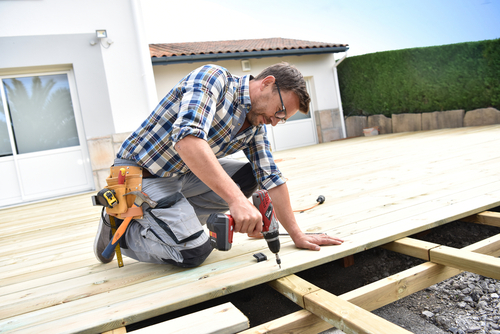
- Framing (ledger, beams, joists, blocking)
- Decking ininstallation andailings
- Stairs and landings
- Final inspection and punch list
If you are coordinating with other outdoor projects, timing matters, especially before spring/summer demand ramps up.
Step 7: Avoid Common Planning Mistakes That Cause Future Repairs
Most deck problems aren’t “bad luck.” They come from predictable planning mistakes:
- Skipping drainage planning (water pools where posts and beams sit)
- Poor ledger and flashing design (hidden moisture at the house connection)
- Underestimating stair complexity (unsafe rise/run, awkward landings)
- Ignoring sun exposure (material choice mismatched to heat)
- No maintenance strategy (especially for wood decks)
If you want a repair-vs-replace decision framework later, this helps homeowners think clearly:
Step 8: A Quick “Before You Build” Deck Planning Checklist
Use this checklist to confirm you’re ready:
Site & Rules
- Confirm HOA //townshipequirements
- Confirm setbacks and easements
- Call for utility marking before digging
Design
- Confirm deck height and railing needs
- Confirm stair location and landing space
- Confirm traffic flow from doors
Water & Drainage
- Identify downspout discharge paths
- Confirm slope away from footings
- Plan ventilation/airflow under the deck if needed
Structure
- Ledger vs freestanding decision
- Footing plan appropriate for local conditions
- Railings meet safety expectations
Maintenance
- Pick a surface with realistic upkeep expectations
- Plan a seasonal cleaning routine
When It Makes Sense to Call a Professional Deck Contractor
Even if you like DIY projects, there are moments where professional support protects you from expensive reversals later, especially for elevated decks, multi-level decks, rooftop decks, or complex stair/rail systems.
If you are choosing a contractor, this guide helps homeowners compare bids and avoid red flags:
Final Thought
Deck construction is one of the best outdoor upgrades you can make, but only when the planning is done correctly. In Delaware County and the Main Line, the biggest success factors are sound structure, smart drainage, correct attachment details, and a design that fits your home’s layout.
If you would like a professional opinion on layout, material choice, or structural approach, contact Hynes Construction by filling out the contact form to request a free estimate.
FAQs: Deck Planning and Construction in Delaware County and the Main Line
1) Do I need a permit to build a deck in Delaware County or the Main Line?
In most towns, yes, especially for elevated decks, attached decks, and decks with stairs or railings. Requirements vary by municipality and HOA rules.
2) What is the most common deck planning mistake homeowners make?
Skipping drainage planning. If water pools near footings, beams, or the ledger connection, the deck’s lifespan drops fast.
3) Is it better to attach a deck to the house or build it freestanding?
It depends on your home’s structure, water management, and design goals. Attached decks require correct ledger and flashing details to prevent moisture damage.
4) How do I choose between composite and wood decking?
Base it on sun exposure, maintenance tolerance, and long-term performance, and not just appearance. Composite and wood behave very differently in heat, moisture, and debris-heavy areas.
5) What should I look for when planning deck stairs?
Stairs need safe rise/run proportions, proper landings, and clear traffic flow. Poor stair planning is a top safety issue in deck builds.
6) How do I know if my yard is suitable for a deck?
A contractor can evaluate grading, drainage, soil stability, and access. Sloped yards often require elevated framing and careful water routing.

(President, Hynes Roofing and Siding)
With over 35 years experience in the roofing and siding industry, Michelle Hynes has built a business from 2 people into over 45 people and 19 trucks!