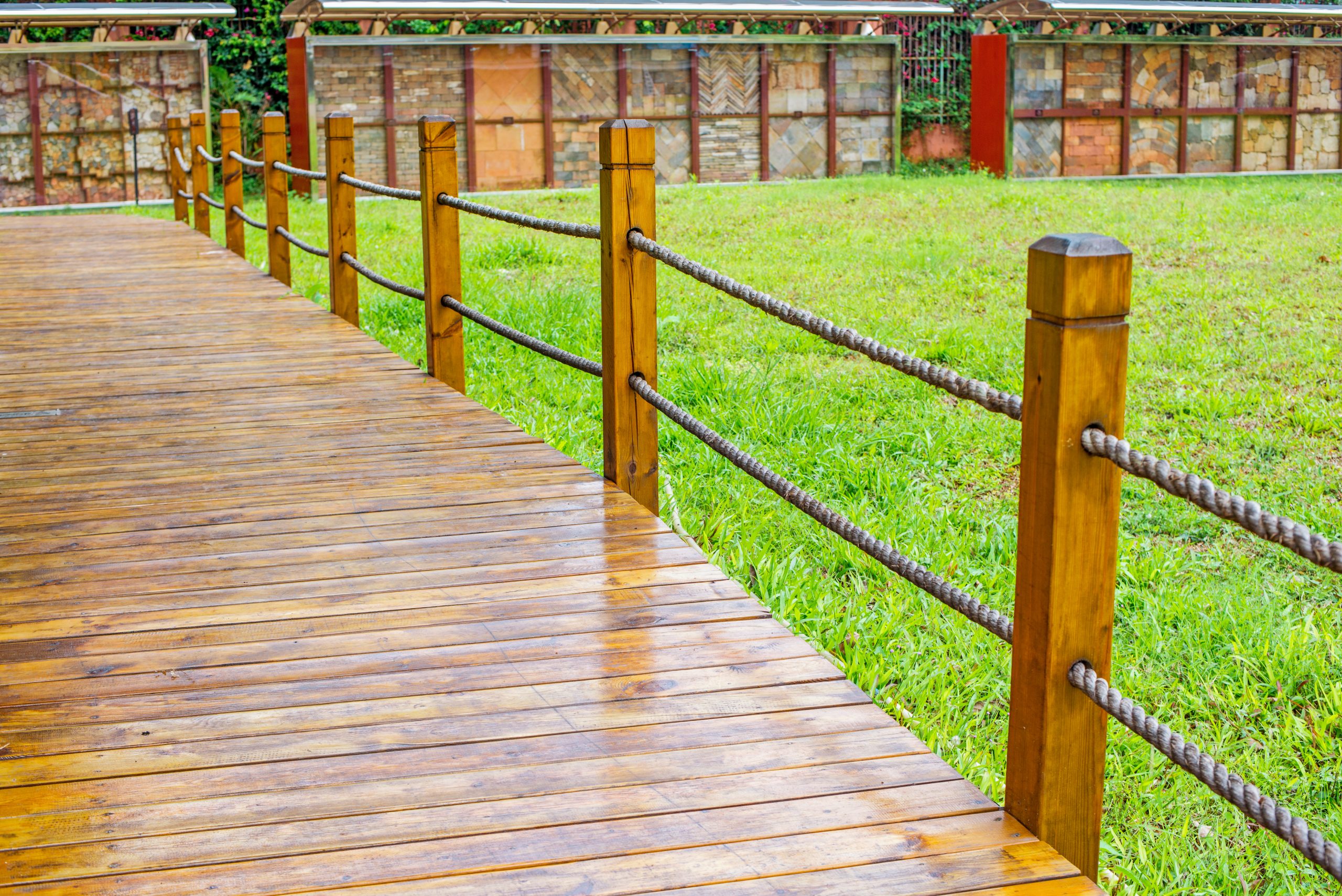
Deck building permit requirements Pennsylvania are one of the most common points of confusion for homeowners planning outdoor upgrades in the Main Line and Delaware County. As spring arrives and more homeowners start thinking about outdoor living spaces, decks quickly move to the top of the priority list. However, before choosing materials or finalizing a design, it is critical to understand whether your project requires a permit.
Many homeowners assume that smaller decks or simple upgrades do not need approval, but that is not always the case. Local townships across the Main Line have specific regulations that can impact your project, from deck height and size to placement on your property. Skipping this step can lead to costly delays, fines, or even the need to remove and rebuild your deck.
If you are still in the early planning phase, it helps to first understand the bigger picture of deck construction and design. Our guide on building a deck and planning your deck construction is a great place to start before diving into permit requirements.
Planning a New Deck This Spring? Start With the Right Guidance.
Before you invest in materials or finalize your deck design, make sure you understand the permit requirements that apply to your property. Hynes Construction helps Main Line homeowners navigate local township regulations, plan compliant deck projects, and avoid costly delays before construction begins.
Call 610-896-6388 today to schedule a FREE deck consultation and get expert guidance before you build.
Do You Need a Permit to Build a Deck in Pennsylvania?
In most cases, yes, you do need a permit to build a deck in Pennsylvania, especially if the structure is attached to your home or elevated above ground level.
However, the answer depends on several factors.
When a permit is typically required:
- The deck is attached to your home
- The deck is more than 30 inches above grade
- The project includes structural components like footings, railings, or stairs
- The deck covers a large area or includes multiple levels
When a permit may not be required:
- Ground-level decks under a certain height
- Small platforms that are not attached to the home
- Minor repairs that do not affect structural integrity
That said, even when a permit may not seem necessary, local municipalities often have their own interpretations of building codes. This is why many homeowners choose to confirm requirements before starting construction.
If your project involves structural upgrades or significant changes, it may also overlap with decisions discussed in roof replacement vs roof repair considerations, where understanding structural impact plays a major role in project planning.
Why Permit Rules Are Different in the Main Line
One of the most important things homeowners need to understand is that permit requirements are not identical across all areas. In the Main Line and Delaware County, each township enforces its own building codes and zoning regulations.
For example:
- Lower Merion Township may have stricter setback requirements
- Radnor Township may require more detailed drawings
- Haverford Township may have specific zoning limitations
- Tredyffrin Township may vary in approval timelines
These differences can affect:
- Where your deck can be built
- How large it can be
- What type of materials or structure is allowed
Because of these variations, local experience becomes extremely valuable. Many homeowners run into delays simply because they follow general advice instead of township-specific requirements.
Understanding how exterior components work together is also important at this stage. Issues like drainage, siding condition, and structural integrity can all influence your deck project. You can learn more about these factors in how weather impacts your roof and siding, especially when planning upgrades during seasonal transitions.
How Deck Size, Height, and Location Affect Permit Requirements
Not all decks are treated the same under Pennsylvania building codes. The size, height, and placement of your deck play a major role in determining whether a permit is required and how complex the approval process will be.
Key factors that affect permit requirements:
1. Deck height: Decks built higher than 30 inches above ground typically require permits due to safety and structural concerns.
2. Deck size: Larger decks are more likely to require permits because they involve more load-bearing considerations and structural support.
3. Attached vs freestanding decks
- Attached decks almost always require permits
- Freestanding decks may have fewer requirements, depending on size and height
4. Multi-level designs: Multi-level decks increase structural complexity and almost always require formal approval.
5. Proximity to property lines: Decks built too close to property boundaries may violate zoning laws, even if structurally sound.
These factors are especially important when planning long-term outdoor upgrades. If you are considering a full outdoor transformation, you may also benefit from reading deck building and outdoor living upgrades to better understand how layout and design decisions impact your project.
Do You Need a Permit for Deck Repair vs Deck Replacement?
Many homeowners assume that repairs do not require permits, but the distinction between repair and replacement is critical.
Repairs that typically do NOT require a permit:
- Replacing a few deck boards
- Minor cosmetic updates
- Surface-level maintenance
Repairs that MAY require a permit:
- Replacing structural components like joists or beams
- Rebuilding stairs or railings
- Expanding the deck footprint
- Replacing the ledger board attached to the house
If your project involves structural changes, it is often treated as a deck replacement rather than a repair, which means permits are usually required.
This is similar to how structural decisions impact roofing projects. If you are unsure whether your project falls under repair or replacement, reviewing roof replacement vs roof repair factors can help you understand how structural changes affect permitting requirements.
What Types of Permits Might Be Required?
Deck projects often require more than just a single permit. Depending on the scope, you may need multiple approvals.
Common permits include:
- Building Permit: Required for structural construction and safety compliance.
- Zoning Permit: Ensures your deck follows local property line and land use regulations.
- Electrical Permit: Needed if your deck includes the following:
- Lighting
- Electrical outlets
- Outdoor heaters or fans
- Additional Approvals: Required for:
- Covered decks
- Multi-level structures
- Complex custom designs
Understanding the full scope of your project early helps prevent delays later. Many homeowners run into issues when they assume only one permit is needed.
Setback Rules, Property Lines, and HOA Restrictions
Before building a deck, you must consider where it can legally be placed on your property. Key factors include:
Setback Requirements: These determine how far your deck must be from:
- Property lines
- Streets
- Neighboring structures
Easements: Areas where construction may be restricted due to utilities or drainage.
HOA Guidelines: If your property is part of a homeowners association:
- You may need design approval
- Material and color restrictions may apply
- HOA approval does NOT replace township permits
Ignoring these factors can delay your project or require costly redesigns.
Drainage and water flow are especially important when placing a deck. Poor planning can lead to issues similar to those discussed in why gutters fail during spring rainstorms, where improper water management leads to long-term damage.
Do Covered Decks, Porches, or Roof Structures Need Additional Approval?
If your deck includes a roof or covering, the permitting process becomes more complex.
Covered structures typically require:
- Structural calculations
- Additional permits
- More detailed inspections
This includes:
- Covered decks
- Screened-in porches
- Roof extensions over outdoor spaces
Because these structures add weight and affect how your home handles wind and weather, they are subject to stricter building codes.
Water management is especially important here. Improperly installed coverings can lead to leaks and moisture issues, similar to problems outlined in why roof leaks appear after winter.
Step-by-Step Process to Get a Deck Permit in Pennsylvania
Understanding the process helps homeowners plan timelines more effectively.
Step-by-step overview:
1. Planning your deck: Define size, layout, and materials.
2. Preparing drawings and site plans: Include dimensions and placement on your property.
3. Submitting your application: To your local township office.
4. Permit review process: Officials review for code compliance.
5. Approval and permit issuance
6. Construction begins
7. Required inspections
8. Final approval
This process can take anywhere from a few weeks to over a month, depending on the township and time of year.
Planning ahead is critical, especially during spring when demand increases. You can also review spring inspection timelines to understand how seasonal demand impacts project scheduling across exterior services.
Avoid Permit Delays That Can Push Your Project Into Summer
Missing paperwork, incorrect drawings, or township-specific requirements can delay your deck project by weeks. Our experienced team works with homeowners throughout the Main Line and Delaware County to help simplify the planning process and ensure every project is prepared correctly from the start.
Have questions about permits, deck design, or local building requirements? Call Hynes Construction today at 610-896-6388 for a FREE consultation
What Documents Are Usually Needed for Permit Approval?
To get your permit approved, you will typically need to submit several documents.
Common requirements include:
- Site plan showing property layout
- Deck design and dimensions
- Structural details (footings, framing, railings)
- Material specifications
- Contractor information
For more complex decks, engineered drawings may also be required.
Incomplete or inaccurate documentation is one of the most common reasons for delays.
Deck Building Codes Homeowners Should Know
Building codes are designed to ensure your deck is safe, durable, and compliant.
Important code considerations include:
- Footing Depth: Must extend below the frost line in Pennsylvania.
- Railing Height: Typically required for elevated decks.
- Stair Safety: Includes tread depth, riser height, and handrails.
- Ledger Board Attachment: Critical for decks attached to the home.
- Load Capacity: Deck must safely support weight and usage.
These requirements are similar in importance to structural considerations in roofing systems, where safety and durability are non-negotiable. You can explore this further in benefits of home roof inspection.
Inspections Required During Deck Construction
Getting a permit is only part of the process. Inspections are required at different stages.
Typical inspections include the following:
- Footing Inspection: Before concrete is poured.
- Framing Inspection: After the structure is built, but before finishing.
- Final Inspection: Ensures the deck meets all safety and code requirements.
Failing an inspection can delay your project and require corrections.
How Long Does It Take to Get a Deck Permit?
The time required to get a deck permit in Pennsylvania can vary depending on your township, project complexity, and the time of year.
Typical timelines:
- Simple decks: 2 to 3 weeks
- Moderate projects: 3 to 5 weeks
- Complex or covered decks: 4 to 6+ weeks
Factors that affect timing:
- Township workload
- Accuracy of submitted documents
- Need for revisions or additional approvals
During peak spring months, approval times often increase due to higher demand. This is similar to seasonal delays seen in other exterior services, especially when homeowners rush to complete projects before summer. Planning ahead, like in post-winter repair planning, helps avoid these delays.
How Much Does a Deck Permit Cost?
Deck permit costs in Pennsylvania are generally reasonable compared to the total project cost.
Typical cost range:
- Small decks: $100 to $200
- Medium decks: $200 to $400
- Larger or complex decks: $400+
What affects the cost:
- Deck size
- Structural complexity
- Township fee structure
While some homeowners try to avoid permit costs, skipping permits can lead to significantly higher expenses later if issues arise.
What Happens If You Build a Deck Without a Permit?
Building a deck without a permit can create serious problems, both immediately and in the future.
Potential consequences include the following:
- Fines and penalties: Local municipalities can issue fines for unapproved construction.
- Stop-work orders: You may be required to halt construction until permits are obtained.
- Forced removal or reconstruction: If the deck does not meet code, it may need to be rebuilt.
- Insurance issues: Unpermitted structures may not be covered in case of damage.
- Safety risks: Improper construction can lead to structural failure.
These risks are very similar to ignoring structural issues in roofing, where delays can lead to major damage. You can see how quickly problems escalate in post-winter roof leak scenarios.
Can You Sell a Home With an Unpermitted Deck?
Yes, but it often creates complications during the selling process.
Common issues include:
- Failed home inspections
- Buyer concerns and negotiations
- Reduced property value
- Delays in closing
In many cases, sellers are required to:
- Disclose unpermitted work
- Obtain retroactive permits
- Lower the asking price
Addressing permit issues early can prevent these challenges and make your property more attractive to buyers.
Do You Need an Engineer or Architect for Deck Plans?
Not all deck projects require an engineer or architect, but some situations do.
You may need professional drawings if:
- The deck is large or multi-level
- The structure includes a roof or covering
- The design involves complex load-bearing elements
- Local codes require stamped plans
For standard decks, basic drawings are often sufficient. However, more complex designs require additional expertise to ensure safety and compliance.
Permit Considerations for Commercial or Multi-Unit Properties
Deck construction for commercial properties or multi-family homes involves additional requirements.
Key considerations include the following:
- Stricter safety regulations
- ADA compliance
- Increased liability
- More detailed inspections
These projects often require more planning and coordination compared to residential decks, making professional guidance even more important.
Weather, Soil, and Site Conditions in Pennsylvania
Pennsylvania’s climate plays a major role in how decks are built and permitted.
Important factors include:
- Frost line depth: Footings must extend below the frost line to prevent shifting.
- Drainage and water runoff: Improper drainage can damage both the deck and surrounding structures.
- Soil stability: Different soil conditions affect how footings are designed.
These environmental factors are often overlooked but are critical for long-term durability.
DIY Deck vs Hiring a Contractor
While some homeowners consider building a deck themselves, the permit process can be complex.
DIY challenges:
- Understanding local codes
- Preparing accurate drawings
- Managing inspections
- Handling corrections if issues arise
Benefits of hiring a contractor:
- Permit guidance
- Code compliance
- Faster approvals
- Professional construction
Choosing the right contractor is just as important as planning the project itself. You can explore more in how to choose the right contractor, which applies across all exterior projects.
Common Mistakes Homeowners Make With Deck Permits
Avoiding common mistakes can save time, money, and frustration.
Frequent mistakes include:
- Starting construction before approval
- Submitting incomplete applications
- Ignoring zoning requirements
- Underestimating approval timelines
- Assuming permits are not required
Common Reasons Deck Permits Get Rejected or Delayed
Permit applications are often delayed for preventable reasons.
Common causes include:
- Missing documents
- Incorrect measurements
- Code violations
- Design inconsistencies
Ensuring everything is accurate before submission can significantly speed up approval.
Best Time to Apply for a Deck Permit in Pennsylvania
Timing plays a major role in how quickly your project moves forward.
Ideal timing:
- Late winter
- Early spring (March)
Less ideal timing:
- Mid to late spring (April–May) due to demand
Applying early gives you a better chance of completing your deck before summer.
Spring Deck Construction Rush in the Main Line
Spring is the busiest time for deck construction in the Main Line.
Why demand increases:
- Homeowners preparing for summer
- Better weather conditions
- Increased interest in outdoor living
This surge can impact:
- Permit approval times
- Contractor availability
- Material lead times
Deck Planning Checklist Before You Apply
Before applying for a permit, make sure you are fully prepared.
- Define your budget
- Finalize deck design
- Choose materials
- Review property layout
- Check township requirements
- Confirm HOA rules
- Select a contractor
Why Spring Is the Best Time to Build a Deck in the Main Line
Spring offers ideal conditions for both planning and construction.
- Mild weather
- Better scheduling flexibility
- Completion before peak summer use
This is why many homeowners start planning projects right after winter.
Why Work With a Professional Deck Contractor in the Main Line
Working with an experienced contractor helps simplify the entire process.
Key advantages:
- Knowledge of local codes
- Permit handling support
- Efficient project management
- Reduced risk of delays or errors
How Hynes Construction Simplifies Deck Projects
At Hynes Construction, we help homeowners navigate every step of the deck building process, from planning and design to ensuring projects align with local requirements.
Our experience working across the Main Line and Delaware County allows us to anticipate challenges, streamline approvals, and deliver high-quality results that last.
Final Takeaway
Understanding deck-building permit requirements in Pennsylvania is essential before starting any project. From local township regulations to structural considerations, every step plays a role in ensuring your deck is safe, compliant, and built to last.
Planning early, especially in March and early spring, helps you avoid delays and ensures your outdoor space is ready for the warmer months ahead.
Frequently Asked Questions
- Do I need a permit for a small deck in Pennsylvania?
It depends on the size, height, and whether the deck is attached to your home. Always confirm with your local township.
- How long does it take to get a deck permit?
Typically between 2 and 6 weeks, depending on the project and location.
- Can I build a deck myself without a permit?
Even for DIY projects, permits may still be required if the structure meets certain criteria.
- What happens if I skip getting a permit?
You may face fines, delays, or be required to rebuild the structure.
- Does HOA approval replace a permit?
No, HOA approval is separate from township permit requirements.
- Can a contractor handle the permit process?
Yes, many professional contractors assist with permit applications and ensure compliance.
Build Your Dream Deck With Confidence This Spring
Whether you are planning a brand-new deck, replacing an aging structure, or expanding your outdoor living space, Hynes Construction is here to make the entire process easier, from planning and permits to professional construction. With years of experience serving homeowners across the Main Line and Delaware County, we’ll help you build a deck that’s beautiful, code-compliant, and built to last.
Call 610-896-6388 today to schedule your FREE deck consultation and take the first step toward your new outdoor living space.
For more home improvement tips, project insights, and real project updates, check out our Facebook and Instagram pages:

(President, Hynes Roofing and Siding)
With over 35 years experience in the roofing and siding industry, Michelle Hynes has built a business from 2 people into over 45 people and 19 trucks!