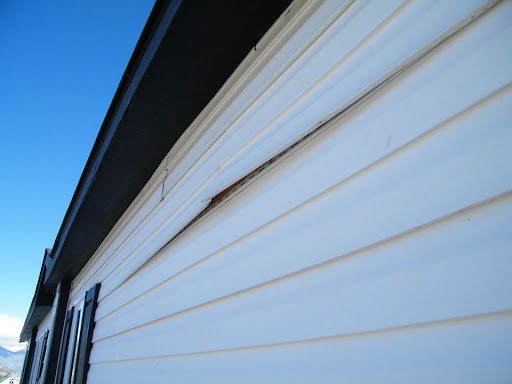
Siding repair Main Line PA, homeowners need often starts with a simple spring walk around the house. After winter snow, freeze-thaw cycles, wind-driven rain, and early spring storms, many homeowners begin noticing siding problems that were hidden during colder months. What looked fine in January can suddenly show cracks, loose panels, staining, mildew, or moisture damage once temperatures rise and heavier spring rain begins.
That seasonal timing is not a coincidence. Spring is one of the best times to inspect your home’s exterior because winter damage becomes easier to spot, repairs can usually be handled before summer heat sets in, and early action helps prevent water from getting deeper into the wall system. Manufacturer maintenance guidance for exterior siding products specifically recommends regular inspection of areas like joints, caulk, flashing, gutters, and the bottom row of siding, with extra attention around windows and moisture-prone locations.
For homeowners across Ardmore, Bryn Mawr, Wayne, Villanova, Haverford, and nearby communities, a spring siding inspection is not just a cosmetic check. It is an important step in protecting curb appeal, energy efficiency, and the structure behind the siding itself. If you recently read our guide on post-winter siding inspections, this article goes deeper into what to look for, what the warning signs mean, and when it is time to call a professional.
Why spring is the right time to inspect siding in the Main Line
By March and April, most homes in the Main Line have already gone through months of expansion and contraction. Exterior materials absorb cold, moisture, and wind exposure all winter long. Then, as temperatures begin shifting more frequently, those materials move again. That repeated cycle can widen small cracks, loosen trim, open joints, and expose weak spots that allow water to get behind the siding.
Spring also gives homeowners a clearer picture of what happened during winter and early seasonal storms. Mildew and streaking become easier to see. Loose panels may rattle during windy days. Softness near trim or lower walls may indicate moisture intrusion. Gutter overflow may leave staining on the siding. These are often not isolated issues. They usually point to a broader exterior-envelope problem involving water management.
This is one reason spring is such a smart time to inspect not just the siding, but the related systems around it. Overflowing gutters, failed caulk, damaged flashing, and roof runoff can all shorten siding life. As part of its maintenance guidance, LP recommends annual checks for damaged paint, missing or cracked caulk, mildew, and damage or blockage in flashing and gutters.
What winter does to siding in Pennsylvania
Pennsylvania winters are not especially kind to exterior materials. Even when siding itself appears durable, winter weather can expose weaknesses in how the system was installed, sealed, or maintained.
Here are some of the most common winter-related stress factors:
Freeze-thaw movement
Moisture enters tiny gaps around joints, trim, penetrations, or older siding sections. When that moisture freezes, it expands. When it thaws, it can move deeper into the wall assembly or leave behind larger openings. Repeated freeze-thaw cycles are especially hard on caulked joints, older vinyl, wood trim, and moisture-sensitive materials.
Wind-driven rain and snow
Wind pushes moisture horizontally, not just downward. That means water can work its way into corners, seams, and gaps around windows and doors. If flashing or caulk is already weak, winter storms can quietly start a moisture problem that only shows up in spring.
Ice dam and gutter overflow effects
When gutters clog or ice builds up, runoff may pour directly down the siding rather than safely away from the home. Over time, this can stain, soften, or damage the exterior. It is one reason this blog should naturally connect to why gutters fail during spring rainstorms in Delaware County and how to fix them.
Material expansion and contraction
Vinyl, fiber cement, wood, and trim materials all respond differently to temperature changes. Even a high-quality exterior can develop issues if weak joints or flashing details allow moisture in during cold weather and then dry unevenly during spring.
If you want broader context on winter-related exterior performance, see winterizing your home’s exterior envelope: siding, stucco, and window seals that save energy damage.
Why spring inspections help prevent much bigger repair bills
Many homeowners wait until siding damage becomes obvious from the street. By then, the issue is often no longer just siding. It may involve soaked sheathing, mold, deteriorated trim, or insulation problems inside the wall.
That is why spring inspections matter so much. They help homeowners catch manageable issues early, before they spread into hidden damage. The Environmental Protection Agency consistently emphasizes that moisture control is the key to preventing mold problems and that moisture issues should be corrected first, not covered up later.
In practical terms, this means a small crack, failed caulk joint, or loose panel is worth dealing with now. Waiting through repeated rain events can allow water to move behind the cladding, affecting framing, sheathing, and indoor air quality.
This also explains why Hynes has previously covered preserving the exterior of your home: the importance of siding maintenance. Seasonal attention is not overkill. It is how homeowners avoid more expensive work later.
The most common signs of siding damage after winter and storms
Spring siding problems often show up in a handful of predictable ways. Some are easy to see. Others are more subtle.
Cracks and splits
Cracked panels or trim pieces may let water enter during rain. Even a small crack near a corner or fastening point can grow when temperatures fluctuate.
Warping or buckling
Warped siding can indicate moisture behind the wall, improper installation, or heat and movement stress. This is especially noticeable when panels no longer sit flat against the home.
Loose or missing sections
High winds can loosen siding edges, break fasteners, or detach panels entirely. If winter and spring storms have already affected your home, compare this issue with our older article on how to deal with siding storm damage.
Swelling or soft spots
Softness near the bottom of the wall, around windows, or at trim transitions is a warning sign. It may point to trapped moisture, rot, or deterioration behind the visible surface.
Bubbling, peeling, or blistering paint
On painted siding or trim, bubbling often suggests moisture is trying to escape from beneath the surface.
Staining, mildew, or mold
Dark streaks, greenish growth, or recurring stains may mean water is not draining correctly. EPA guidance is very clear that mold problems and moisture problems go together, and the moisture source must be fixed for the issue to stay resolved.
Gaps at joints and trim
Cracked caulk or open joints may seem minor, but they are common pathways for water intrusion. Manufacturer maintenance guidance specifically calls for checking all joints for missing or cracked caulk and replacing it as needed.
How to inspect your siding safely from the ground
Homeowners do not need to climb ladders to do a useful first inspection. In fact, staying on the ground is the smarter approach.
Step 1: Walk the full perimeter slowly
Do not just look straight ahead. Step back and scan the walls from different angles. Warping, rippling, and uneven lines are often easier to see from a distance.
Step 2: Inspect the bottom edge carefully
The lower rows of siding often show moisture damage first because of splashback, poor drainage, or prolonged dampness. LP specifically advises paying special attention to the bottom row of siding and areas under windows.
Step 3: Look around windows and doors
Check for cracked caulk, staining, swelling, peeling paint, or dark lines under trim. These are classic signs that water may be entering around openings.
Step 4: Check corners, seams, and joints
Exterior corners and transition areas tend to take more wind and water exposure. If joints have opened up, the system may no longer be shedding water properly.
Step 5: Inspect where gutters and downspouts discharge
If downspouts leak, overflow, or terminate too close to the home, siding damage often appears nearby. This is a natural place to connect to do your downspouts need extending?
Step 6: Check indoors too
Exterior wall damage can show up inside the home as peeling paint, damp smells, staining, or cold drafts. If the siding is allowing moisture or air infiltration, the signs are not always outside.
The most overlooked areas homeowners miss
Many people only inspect the broad field of siding and miss the details where problems usually start. The most commonly overlooked areas include:
- Under window sills
- Around the door trim
- Behind downspouts
- Where roof runoff hits lower walls
- Beneath deck ledgers or porch roofs
- At expansion joints
- Where siding meets masonry, stucco, or trim
- Along the lowest course near the mulch or grade level
These are exactly the types of areas where moisture can sit, splash, wick upward, or repeatedly soak the same surface. If your home also has stucco-related sections or mixed exteriors, this blog should support related content such as exploring common issues with stucco siding and stucco remediation vs repair: what’s the difference.
How moisture gets behind siding and why that matters
A lot of homeowners think siding damage is mostly about appearance. In reality, the bigger risk is what happens behind the visible exterior.
Moisture gets behind siding through:
- Failed caulk joints
- Poor flashing
- Cracked panels
- Loose trim
- Gutter overflow
- Splashback from poor drainage
- Roof-wall intersections
- Wind-driven rain around windows and doors
Once water gets inside the wall system, the damage can spread quietly. Sheathing can weaken. Wood trim can rot. Insulation performance can drop. Mold can develop if damp conditions continue. EPA guidance for homeowners emphasizes that the solution is not just cleaning visible mold, but eliminating the moisture source itself.
That is why spring siding inspections are so valuable. They help catch the outer signs of a moisture problem before the inner damage becomes extensive.
How gutters and downspouts contribute to siding damage
This is one of the most important cross-service topics for Hynes because siding and gutter problems often show up together.
When gutters overflow, pull away, or dump water too close to the home, the siding becomes the next surface that absorbs the consequences. Common results include:
- Streaking and staining
- Mildew growth
- Softened trim
- Rot at fascia transitions
- Splashback onto the lower siding
- Water intrusion near the window or door trim
This makes your new gutter blog an especially relevant internal link: why gutters fail during spring rainstorms in Delaware County and how to fix them
If the home has stucco or mixed exterior materials, you can also connect the water-management issue to mold on stucco from downspouts: how to repair and prevent further damage
Storm damage vs normal wear and tear
Not every siding problem is caused by a storm. Some homes are dealing with years of aging, sun exposure, poor drainage, and deferred maintenance. But homeowners often need help understanding the difference, especially if they are considering an insurance claim.
- Damage appeared suddenly after a specific weather event
- Multiple panels or sections were loosened at once
- Impact marks or wind-related breaks are visible
- Pieces are missing after strong winds
- New leaks or drafts appeared immediately after a storm
Signs it may be wear and tear
- Gradual fading or brittleness
- Repeated maintenance issues in the same area
- Long-term caulk failure
- Isolated aging in older materials
- Slow-developing soft spots or staining
This distinction matters because insurance generally treats sudden storm damage differently from ongoing deterioration.
Does home insurance cover siding damage?
This depends on the policy and the cause of loss, but storm-related siding damage is often covered when it results from a covered peril such as wind. Travelers notes that homeowners’ insurance likely covers wind damage to vinyl, metal, and other siding types, subject to policy terms and deductibles. It also notes that deductibles matter, and minor damage may not exceed the deductible threshold.
For homeowners, the practical takeaway is simple:
- Document the damage quickly
- Photograph the affected areas
- Note the date of the storm
- Schedule an inspection promptly
- Review whether the likely repair cost exceeds your deductible
Do not assume every siding issue qualifies. But do not ignore obvious storm-related damage either.
Siding repair vs siding replacement: how to decide
This is one of the most common spring questions.
Repair is often the better option when:
- Damage is localized
- The rest of the siding is in good shape
- Moisture has not spread behind large areas
- Matching material is available
- The siding still has useful life left
Replacement may make more sense when:
- Damage is widespread
- Moisture issues appear in multiple areas
- The material is old or brittle
- Repeated repairs are no longer cost-effective
- Color or style matching is no longer practical
- There are hidden substrate issues behind the siding
This section should naturally support what you need to know about siding repair vs siding replacement and older supporting content like repainting or siding replacement: the pros and cons of each
Siding materials common in the Main Line and how they age differently
Different materials fail in different ways, so inspection should account for what is actually on the home.
Vinyl siding
Often shows cracking, warping, loosened panels, and fading. It can perform well, but poor drainage and impact can still cause issues. See fiber cement siding vs vinyl siding: which is right for your home for a good comparison angle.
Fiber cement siding
Known for durability, but joints, paint, flashing details, and moisture control still matter.
Wood siding
More vulnerable to rot, swelling, and paint failure if not maintained carefully.
Stucco and stucco-adjacent systems
Moisture diagnosis is especially important. Surface cracks may be cosmetic, or they may point to larger water-management failures. For these homes, connect to the complete guide to stucco remediation and what you should know about stucco remediation
How siding damage affects comfort, efficiency, and curb appeal
Siding issues are not only about how the house looks from the street.
They can also affect:
- Indoor comfort
- Draft control
- Wall moisture levels
- Insulation performance
- Mold risk
- Resale presentation
If the exterior envelope is compromised, your HVAC system may work harder, and interior comfort may suffer. That makes siding inspection not just a maintenance task, but part of protecting the home’s overall performance.
What a professional siding inspection should include
A proper siding inspection should go beyond spotting the obvious. It should include:
- Evaluation of visible surface damage
- Review of joints, caulk, and trim transitions
- Assessment around windows and doors
- Checks near gutters and downspouts
- Attention to lower wall areas and splash zones
- Identification of likely moisture-entry points
- Recommendation on repair vs replacement
- Documentation of whether the damage appears storm-related or maintenance-related
This type of inspection is especially helpful when homeowners are unsure whether they are dealing with cosmetic wear or a deeper problem.
When to call a siding contractor right away
Do not wait if you notice:
- Soft or spongy wall sections
- Interior staining near exterior walls
- Visible mold or mildew that keeps returning
- Siding sections are pulling loose
- Cracked panels after a storm
- Repeated water runoff onto the same wall
- Worsening trim or paint failure near openings
These are signs the issue may already be moving beyond surface-level siding wear.
For contractor-selection support, this blog should feed into 8 tips for finding the right siding contractor in Ardmore PA, important questions to ask your siding contractor, and choosing the right siding contractors in the Philadelphia area
Why Main Line homes need extra attention in spring
Main Line homes often have a combination of characteristics that make spring inspections more important:
- Older construction
- Mature landscaping and tree coverage
- More complex trim and architectural details
- Mixed materials on the exterior
- Long-term exposure to seasonal moisture
That is why a generic national siding article is not enough. Homeowners here need advice that reflects how water, drainage, tree debris, and older home details work together.
Why Hynes Construction is well-positioned for spring siding repairs
Siding is not an isolated service. The best siding repairs come from understanding how roofing, gutters, trim, flashing, stucco, and drainage interact with each other. That is where Hynes has a strong advantage.
Homeowners who want to learn more about the company can visit why homeowners in Ardmore trust Hynes Construction for roofing, stucco, and siding projects, and the importance of hiring professional siding contractors for your home renovation in Ardmore and nearby areas
For recent updates and project visibility, readers can also follow Hynes Construction on Facebook and see Hynes Construction on Instagram
Final Thoughts
A spring siding inspection is one of the smartest maintenance steps homeowners in the Main Line can take after winter. It helps identify cracks, moisture issues, loose panels, staining, trim failures, and storm-related damage before they become larger and more expensive problems.
If you are already noticing signs of wear, do not assume it is only cosmetic. Siding damage often points to a bigger moisture story involving gutters, flashing, trim, or the wall system behind the cladding. Acting early can protect the appearance of your home, reduce the risk of hidden damage, and help you make a smarter repair-or-replacement decision.
For Main Line homeowners, spring is the right season to inspect early, fix early, and head into storm season with more confidence.
FAQs
1. How do I know if my siding has winter damage?
Common signs include cracks, warping, loose panels, bubbling paint, mildew, staining, and soft spots near windows, doors, or lower wall sections. Problems often become easier to see once spring rain and warmer temperatures arrive.
2. Can damaged siding cause leaks inside the house?
Yes. If water gets behind the siding through open joints, failed caulk, damaged trim, or storm-related gaps, it can affect the wall assembly and eventually show up as staining, damp smells, or moisture inside the home.
3. Should I repair or replace siding in spring?
If the damage is limited and the rest of the siding is still in good shape, repair may be enough. If the material is aging, widespread damage exists, or moisture problems are affecting multiple areas, replacement may be the better long-term choice.
4. Does homeowners insurance cover siding damage after a storm?
It often can if the damage was caused by a covered event such as wind. Coverage depends on the policy, the cause of loss, and the deductible. It is smart to document damage quickly and schedule a professional inspection.
5. What parts of the siding should homeowners inspect first?
Start with the bottom edge, under windows, around doors, at corners, near downspouts, and anywhere gutters overflow. Manufacturer maintenance guidance specifically highlights these moisture-prone areas for annual inspection.
6. Why is spring the best time for a siding inspection in the Main Line?
Spring is ideal because winter damage becomes visible, repairs can be made before heavier rain and summer heat, and homeowners can catch moisture issues before they lead to mold, rot, or more extensive exterior repair needs.

(President, Hynes Roofing and Siding)
With over 35 years experience in the roofing and siding industry, Michelle Hynes has built a business from 2 people into over 45 people and 19 trucks!